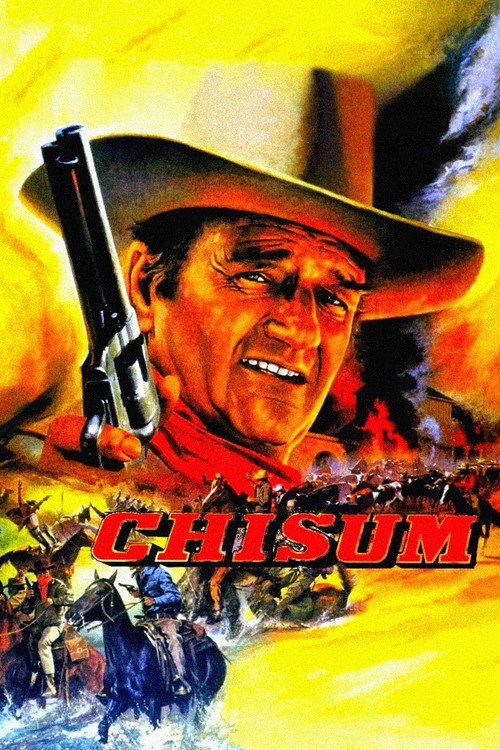
Chisum
1970
No user ratings available yet
Representation score: 1.9 out of 10
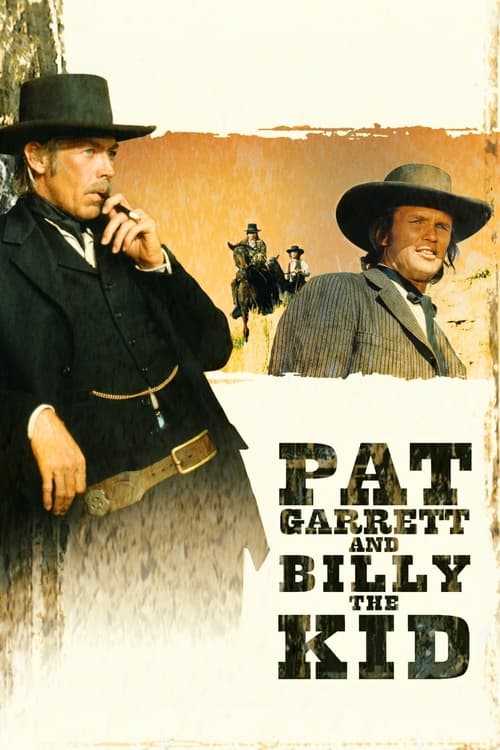
Representation Score
Limited
1973
RDirector
Sam Peckinpah
Runtime
106 minutes
Average Rating
No ratings yetNew Showbiz Analysis
Sam Peckinpah’s revisionist Western offers a critical look at power structures, yet it falls short in providing broad demographic representation. Its strength lies in challenging the traditional 'hero' archetype, presenting the legal system and capitalism as corrupt adversaries. However, the film remains traditional in its social makeup, lacking meaningful representation for women, LGBTQ+ individuals, and those with disabilities. The narrative focuses almost exclusively on masculine bonds and conflicts between outlaws and the political establishment, leaving little room for diverse identities.
Category Breakdown
The film adheres to a strict assumption that everyone is straight or cisgender, with no visible LGBTQ+ characters or critiques of the assumption that everyone is straight or cisgender.
The story focuses primarily on male interactions and rivalries, with few female characters who play minor roles and have little influence over the plot.
The film showcases a range of socioeconomic backgrounds but does not intentionally include diverse casting. Non-white characters are not central to the main storyline.
The film effectively critiques Western institutions, portraying the shift towards organized state control as a harmful loss of personal autonomy.
There is no significant depiction of physical or mental health disabilities. Characters are defined by their involvement in violence or adherence to social codes rather than by any disabilities.
Present on Screen
Limited or Absent
Official Synopsis
Pat Garrett is hired as a lawman on behalf of a group of wealthy New Mexico cattle barons to bring down his old friend Billy the Kid.
1970
1976
1972

1957
1962
1959
1992
1966
No reviews yet. Be the first to share your thoughts on this movie!
Use the rating form above to leave a star rating and optional review.