I Got A Monster
2023
No user ratings available yet
Representation score: 3.9 out of 10
Representation Score
Limited
2015
RDirector
Tiller Russell
Runtime
104 minutes
Average Rating
No ratings yetNew Showbiz Analysis
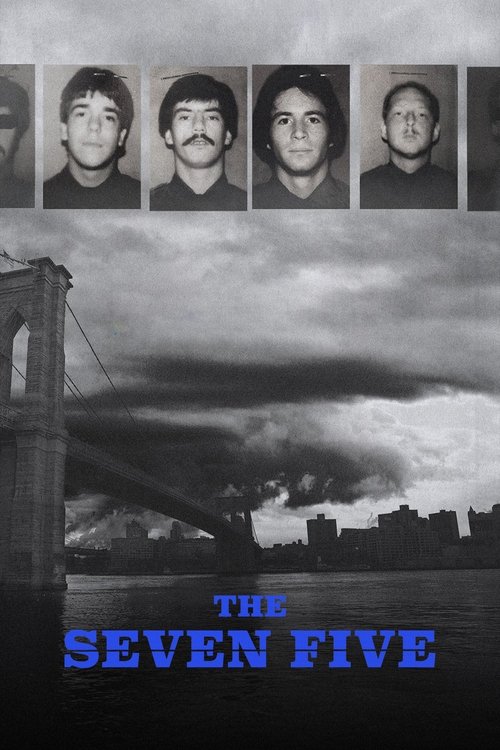
The Seven Five is a powerful deconstruction of institutional integrity, trading traditional law enforcement heroics for a critique of systemic corruption. It succeeds most prominently through its deep engagement with racial and cultural themes, providing a platform for underrepresented perspectives affected by the drug epidemic. However, the film's focus on the hyper-masculine worlds of policing and street culture results in a significant lack of gender diversity. Women are relegated to the sidelines, and there is no representation of LGBTQ+ identities. Ultimately, the documentary's value lies in its anti-establishment stance and its ability to frame systemic failure through the lens of race and class, even if its demographic scope is narrow.
Category Breakdown
The documentary does not include any LGBTQ+ characters or narratives. The story focuses on the socioeconomic and criminal justice frameworks of 1980s Brooklyn.
The film centers on male-dominated spaces within police hierarchies and street culture. Women are mostly peripheral, resulting in a lack of significant women's ability to drive the story.
The film excels by centering Black lived experiences and the racialized impact of the War on Drugs. It provides deep ability to act to community voices against systemic failures.
The narrative offers a sophisticated critique of capitalism and state authority. It explores how individuals navigate survival within a landscape of institutionalized corruption.
There is no significant focus on visible or invisible disabilities as a central narrative driver in this documentary.
Present on Screen
Limited or Absent
Official Synopsis
Meet the dirtiest cop in NYC history. Michael Dowd stole money and dealt drugs while patrolling the streets of '80s Brooklyn.
2023
2012

2017
2012
2005
2020

2017

2006
No reviews yet. Be the first to share your thoughts on this movie!
Use the rating form above to leave a star rating and optional review.