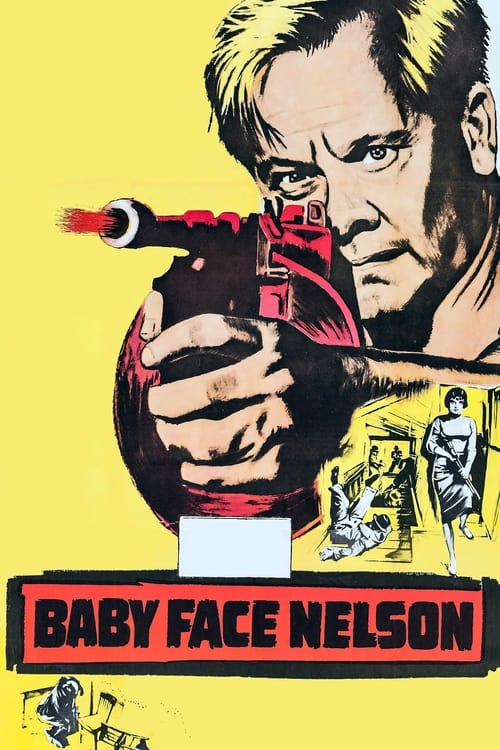
Baby Face Nelson
1957
No user ratings available yet
Representation score: 1.1 out of 10
Representation Score
Minimal
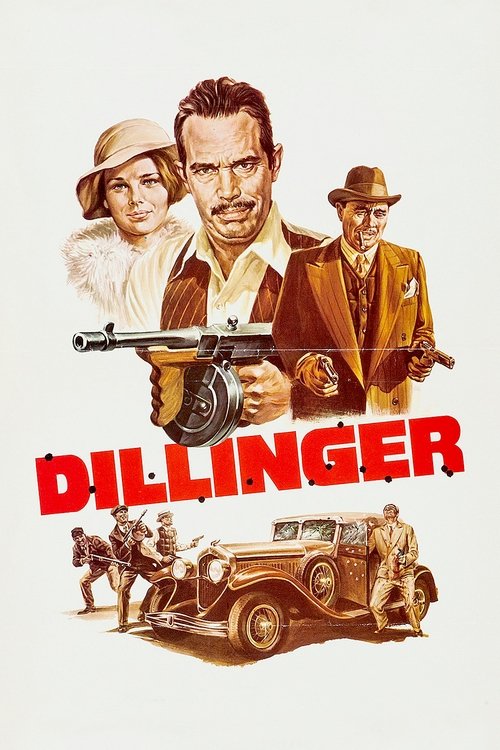
1973
RDirector
John Milius
Runtime
107 minutes
Average Rating
No ratings yetNew Showbiz Analysis
Dillinger focuses on the mythic individualism of the outlaw archetype, prioritizing this over diverse representation. Despite lacking demographic variety, the film excels in its thematic critique of state authority. The narrative dismantles the 'law and order' archetype, shifting from moral condemnation to a romanticized view of the individual against the state. This offers a strong cultural perspective, even with a narrow social scope. Ultimately, the film's exploration of the tension between individual freedom and institutional power defines its identity, though it falls short in representing diverse identities and gendered ability to act.
Category Breakdown
The film does not include any visible LGBTQ+ characters or representations of non-straight relationships. The social framework stays within the traditional norms of the 1930s setting.
Female characters mainly play supporting roles as romantic interests or peripheral figures. The narrative lacks opportunities for women to take leading roles or challenge traditional male leadership.
The film features a predominantly white cast reflecting the Great Depression-era criminal underworld. It does not use diverse casting or storylines to represent varied backgrounds.
The story critiques traditional Western institutions by portraying the FBI as a clinical, bureaucratic force. It frames outlaws through a mythic lens, using moral relativism.
There is no representation of physical, sensory, or neurodivergent disabilities within the main cast or character arcs.
Present on Screen
Limited or Absent
Official Synopsis
After a shoot-out kills five FBI agents in Kansas City the Bureau target John Dillinger as one of the men to hunt down. Waiting for him to break Federal law they sort out several other mobsters, while Dillinger's bank robbing exploits make him something of a folk hero. Escaping from jail he finds Pretty Boy Floyd and Baby Face Nelson have joined the gang and pretty soon he is Public Enemy Number One. Now the G-men really are after him.
1957
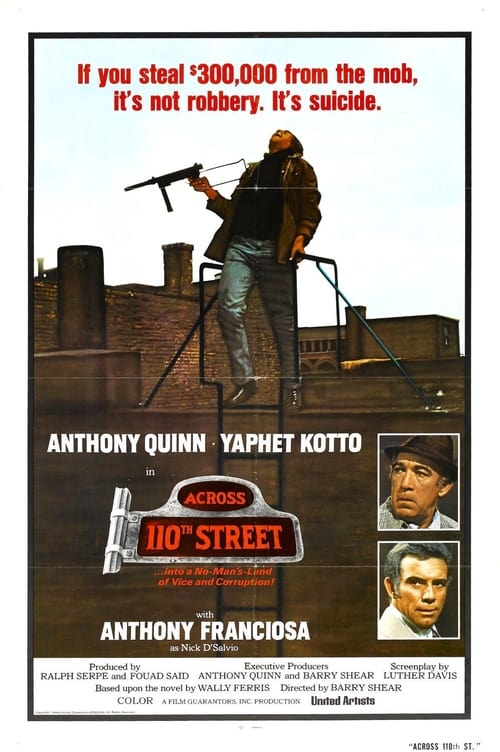
1972
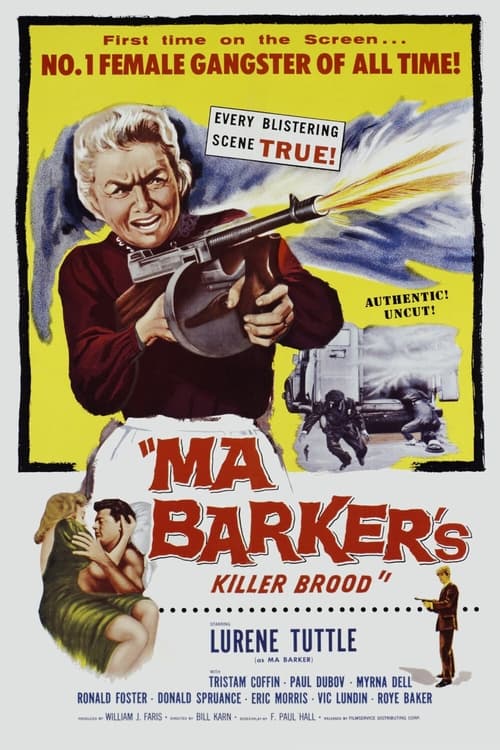
1960
1972

1959
1998

1984
1972
No reviews yet. Be the first to share your thoughts on this movie!
Use the rating form above to leave a star rating and optional review.