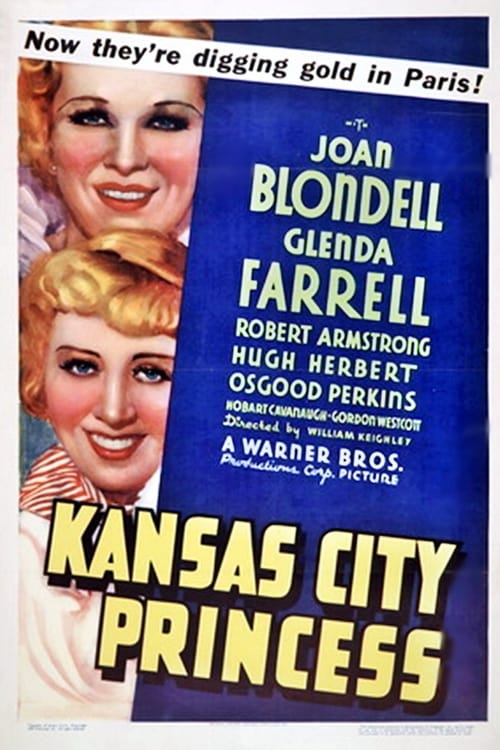
Kansas City Princess
1934
No user ratings available yet
Representation score: 2.4 out of 10
Representation Score
Limited
1932
Director
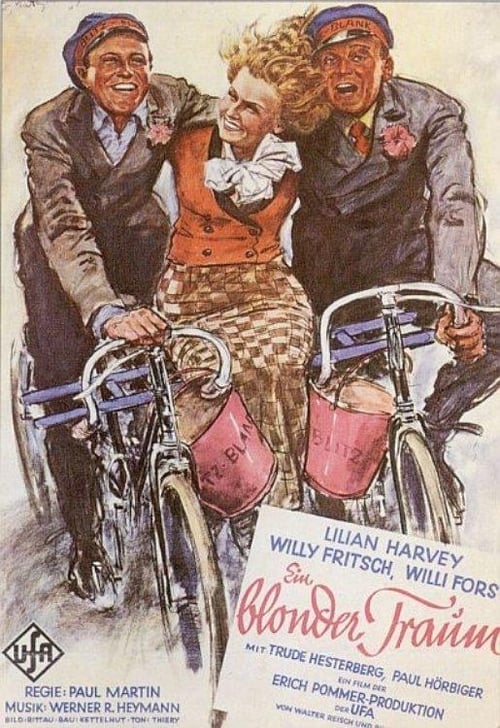
Paul Martin
Runtime
98 minutes
Average Rating
No ratings yetNew Showbiz Analysis
A Blonde Dream operates as a typical genre piece of the early 1930s, relying heavily on traditional romantic and class-based clichés. While the film offers a narrative of aspiration, it lacks complexity in addressing multiple aspects of identity. The story centers on social maneuvering and the dream of stardom, yet it stays within the conventional boundaries of commercial entertainment from its era. It does not offer a systemic critique of the social fabric. Ultimately, the film provides escapism rather than progressive representation, adhering to the demographic and social norms of its time.
Category Breakdown
The movie follows a typical romantic comedy format and does not include any non-binary or LGBTQ+ characters or critiques of the assumption that everyone is straight or cisgender.
Jou-Jou drives the plot through her career goals, but her actions are often guided by male characters who intervene to protect her from a con artist.
The story focuses on European social dynamics typical of 1930s German-language cinema and does not feature a diverse cast or ethnic metaphors.
The film explores themes of social mobility and the allure of Hollywood fame, using these elements to critique class distinctions and celebrity culture.
There are no characters with visible or invisible disabilities mentioned in the narrative.
Present on Screen
Limited or Absent
Official Synopsis
Rival window cleaners Willy I and Willy 2 befriend Jou-Jou, an aspiring dancer, who has been tricked out of money by a con-man posing as an American movie mogul, and together they turn an old railway carriage into a "Villa Hollywood" for her.
1934
1934
1933
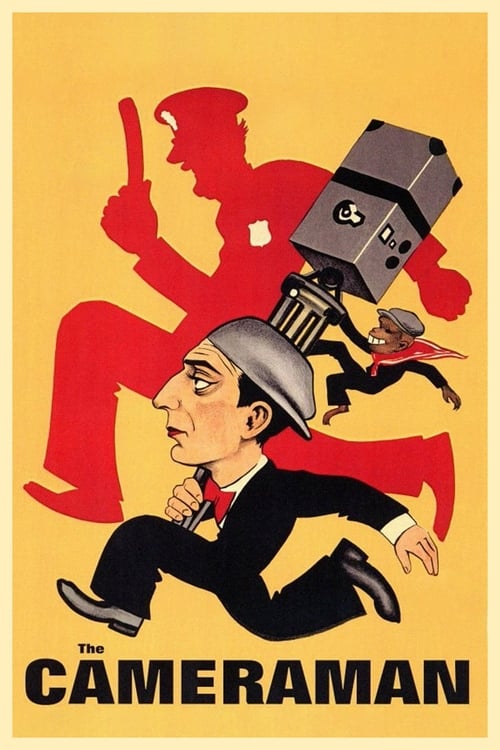
1928
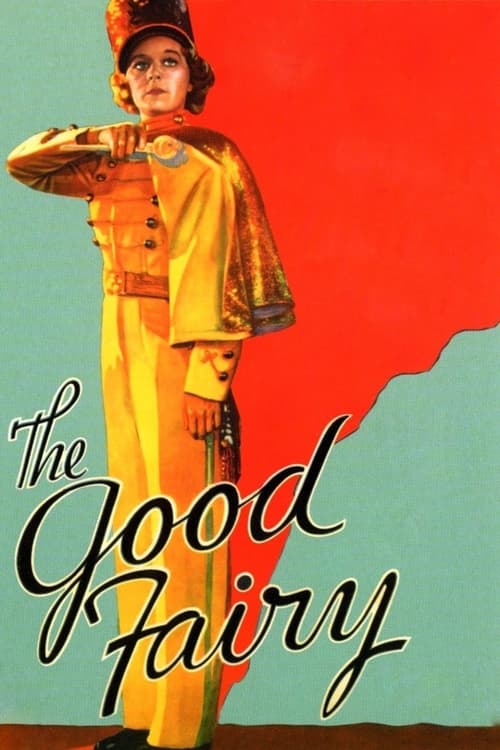
1935
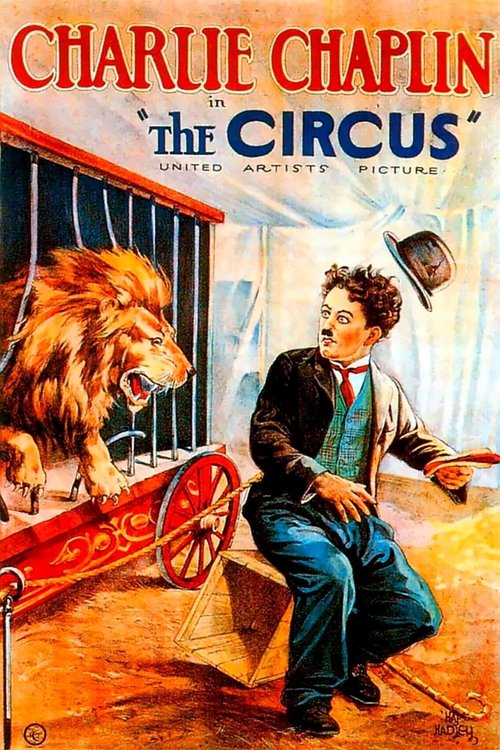
1928
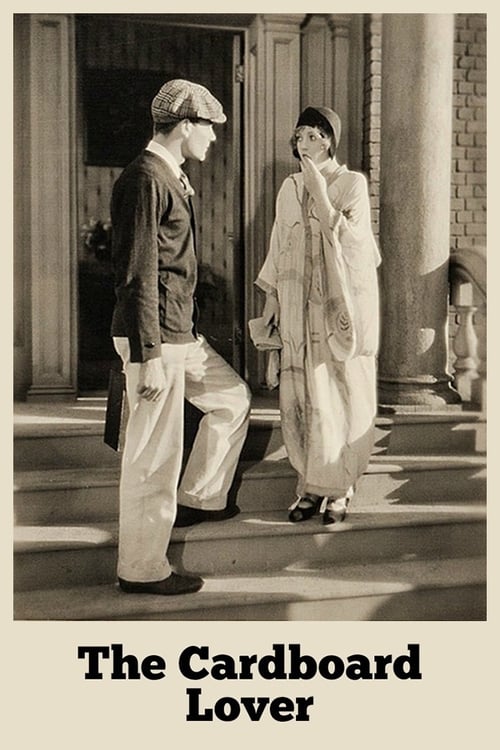
1928
1928
No reviews yet. Be the first to share your thoughts on this movie!
Use the rating form above to leave a star rating and optional review.