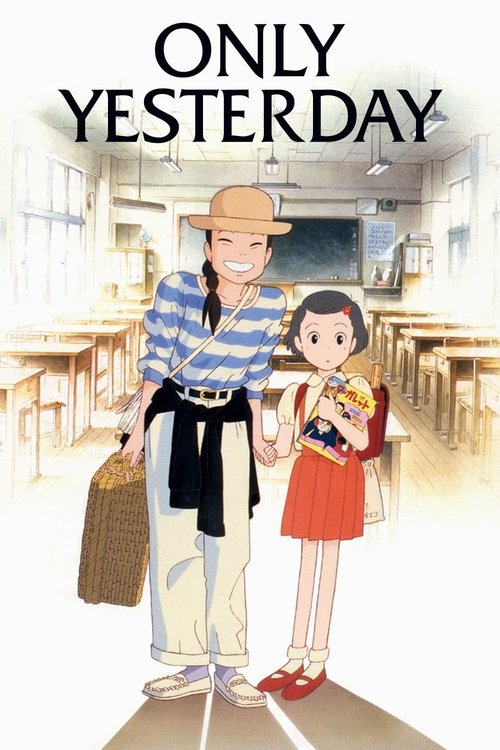
Only Yesterday
1991
No user ratings available yet
Representation score: 4.2 out of 10

Representation Score
Limited
2009
Director
Sunao Katabuchi
Runtime
94 minutes
Average Rating
No ratings yetNew Showbiz Analysis
Mai Mai Miracle succeeds in offering a localized, non-Western perspective on mid-20th-century geopolitical conflict. By centering the story on a young girl's internal world, it avoids the passive clichés often found in period dramas. The film excels at humanizing historical trauma through the eyes of a child. It effectively highlights systemic failures by showing how large-scale political structures disrupt the stability of local communities and families. However, the film is limited by its historical specificity. It lacks modern markers of diversity, such as LGBTQ+ visibility or explicit disability representation, resulting in a narrower social scope.
Category Breakdown
The film does not prominently feature LGBTQ+ characters or narratives. Relationships focus on traditional familial and peer connections typical of the 1945 setting.
The story centers emotionally around a young female protagonist named Mai. She drives the narrative through her own actions and decisions.
Set in a Japanese coastal town, the film provides an authentic look into a specific non-Western context. It avoids a Western-centric viewpoint by presenting a localized perspective on global conflict.
The narrative contrasts grand historical events with the everyday lives of civilians. It shows how war disrupts the stability of family and community life.
There are no prominent depictions of physical or neurodivergent disabilities that serve as central plot drivers or character arcs.
Present on Screen
Limited or Absent
Official Synopsis
Inspired by her grandfather's stories, young Shinko embarks on wild flights of fancy about the history of the little town she lives in. But dreams can't fend off the realities of growing up.
1991
2018

2011

1991

2013

2011

2021

2011
No reviews yet. Be the first to share your thoughts on this movie!
Use the rating form above to leave a star rating and optional review.