
Kensuke's Kingdom
2024
No user ratings available yet
Representation score: 6.1 out of 10
Representation Score
Limited
1991
Director
Kōji Morimoto
Runtime
80 minutes
Average Rating
No ratings yetNew Showbiz Analysis
Koji Morimoto’s work is characterized by a surreal, avant-garde style, yet this particular production follows a conventional coming-of-age storyline. The story centers on themes of loss and the bond between humans and nature. The narrative does not address systemic power structures or diverse identity issues. Instead, it leans on conventional adventure-drama clichés focused on individual character development and environmental interactions. While the setting shifts away from a typical Japanese backdrop, the film does not explicitly challenge societal hierarchies.
Category Breakdown
The story emphasizes the brotherly relationship between Kei and Moito. There are no representations of non-straight or non-cisgender identities, nor any narratives challenging straight-centered assumptions.
The plot revolves around male characters and a father figure. Although the roles seem traditional, there is no indication of overturning gender hierarchies or highlighting women's influence.
Set on the Spanish coast, the film introduces a cross-cultural environment. This geographic change hints at cultural flexibility, although the specific ethnic composition of the cast is unspecified.
The film delves into themes of nature and existential loss. It adheres to a traditional adventure format without a specific critique of Western or secular values.
The narrative does not include any characters with visible or invisible disabilities.
Present on Screen
Limited or Absent
Official Synopsis
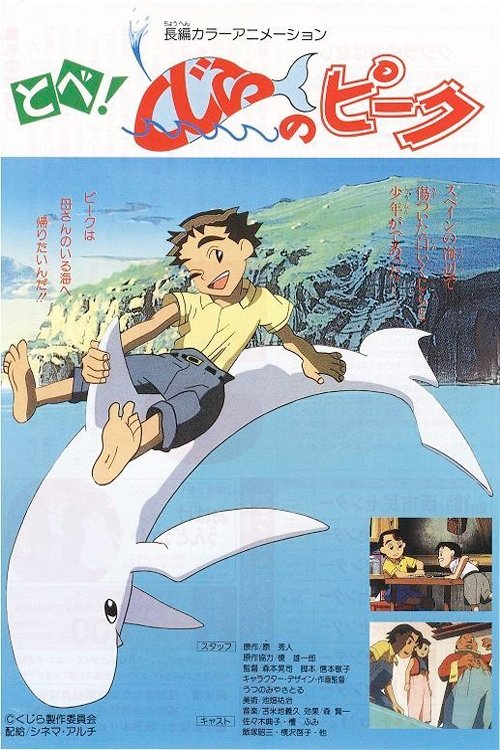
As a little boy Kei saw his fisherman father lost at sea only seconds after catching his parting gift of a pan flute carved from whalebone. A few years later young Kei and his kid brother Moito discover a baby whale trapped by a rock in a shallow inlet near the Spanish coast.
2024

2017
1983
2018

2001
2014

1984
1999
No reviews yet. Be the first to share your thoughts on this movie!
Use the rating form above to leave a star rating and optional review.