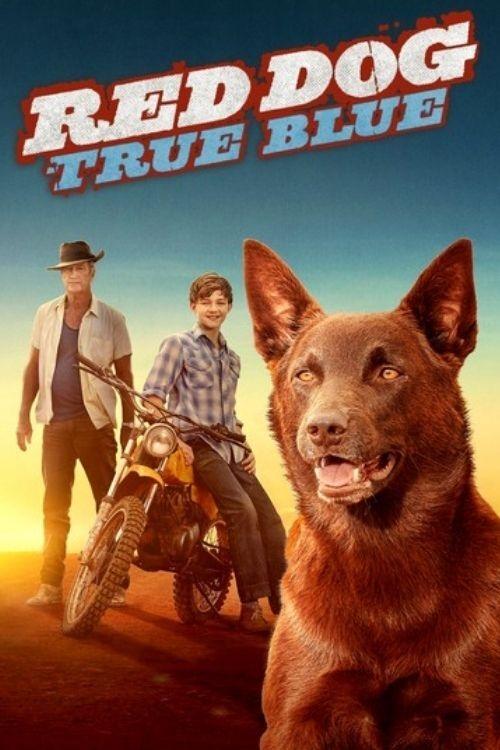
Red Dog: True Blue
2016
No user ratings available yet
Representation score: 3.7 out of 10
Representation Score
Fair
2011
Director
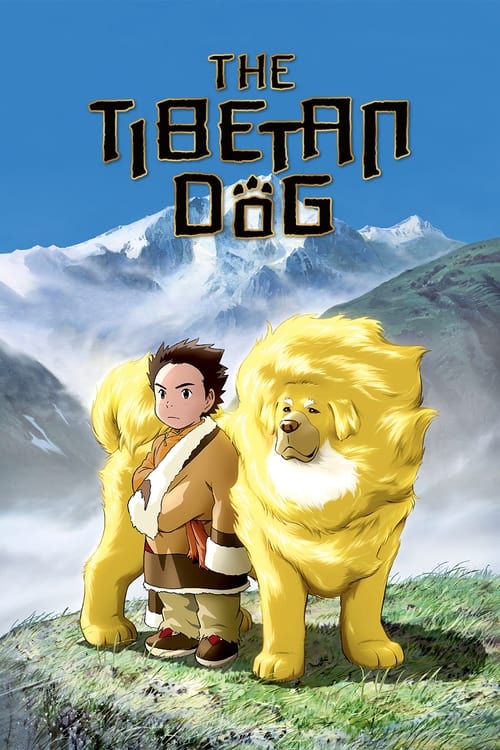
Masayuki Kojima
Runtime
95 minutes
Average Rating
No ratings yetNew Showbiz Analysis
Tibetan Dog is a character-driven adventure-drama that finds its strength in geographic and ethnic specificity. By moving the setting away from Western urban centers to the Tibetan steppe, the film offers a refreshing departure from typical animation clichés. However, the narrative remains somewhat conventional, following a standard trajectory of personal growth and companionship without delving into complex multi-layered identities or systemic critiques. The focus stays strictly on the protagonist's emotional journey. Ultimately, while the film succeeds in providing a non-Western cultural landscape, it lacks the diverse character arcs necessary to move beyond a standard genre piece.
Category Breakdown
The story focuses on a child's grief and his bond with a dog. There are no visible LGBTQ+ characters or narratives within the plot.
The narrative centers on a male protagonist navigating familial loss. It lacks evidence of female characters with significant influence or the subversion of traditional gender roles.
The film provides ethnic depth by centering its setting in Xi'an and the Tibetan steppe. This non-Western backdrop avoids the homogeneous standards of mainstream animation.
The film explores themes of loss and adaptation within a specific cultural context. It emphasizes a connection to nature and non-Western lifestyles over urban structures.
There is no mention of characters navigating physical, neurodivergent, or mental health disabilities in the provided narrative.
Present on Screen
Limited or Absent
Official Synopsis
After his mother dies, Jiantan has to leave Xi'an to live with his father on the Tibetan steppe, where he meets a golden dog that helps him cope with the new challenges ahead.
2016

2018
2005

2021

2022

2005
2010

2015
No reviews yet. Be the first to share your thoughts on this movie!
Use the rating form above to leave a star rating and optional review.