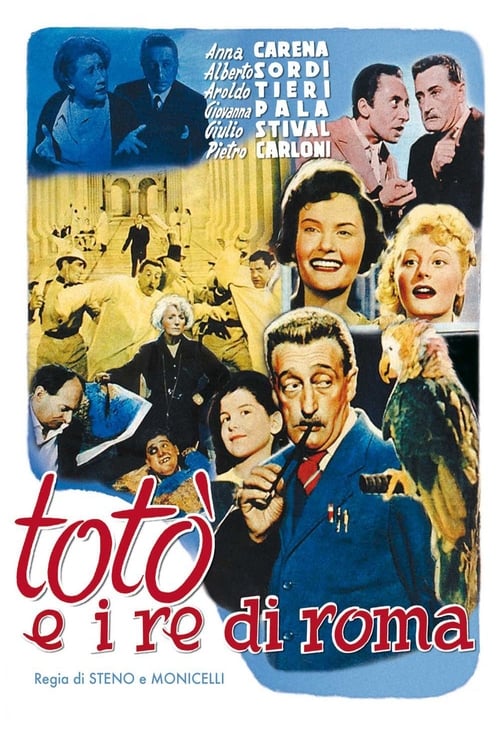
Toto and the Kings of Rome
1952
No user ratings available yet
Diversity score: 2.9 out of 10
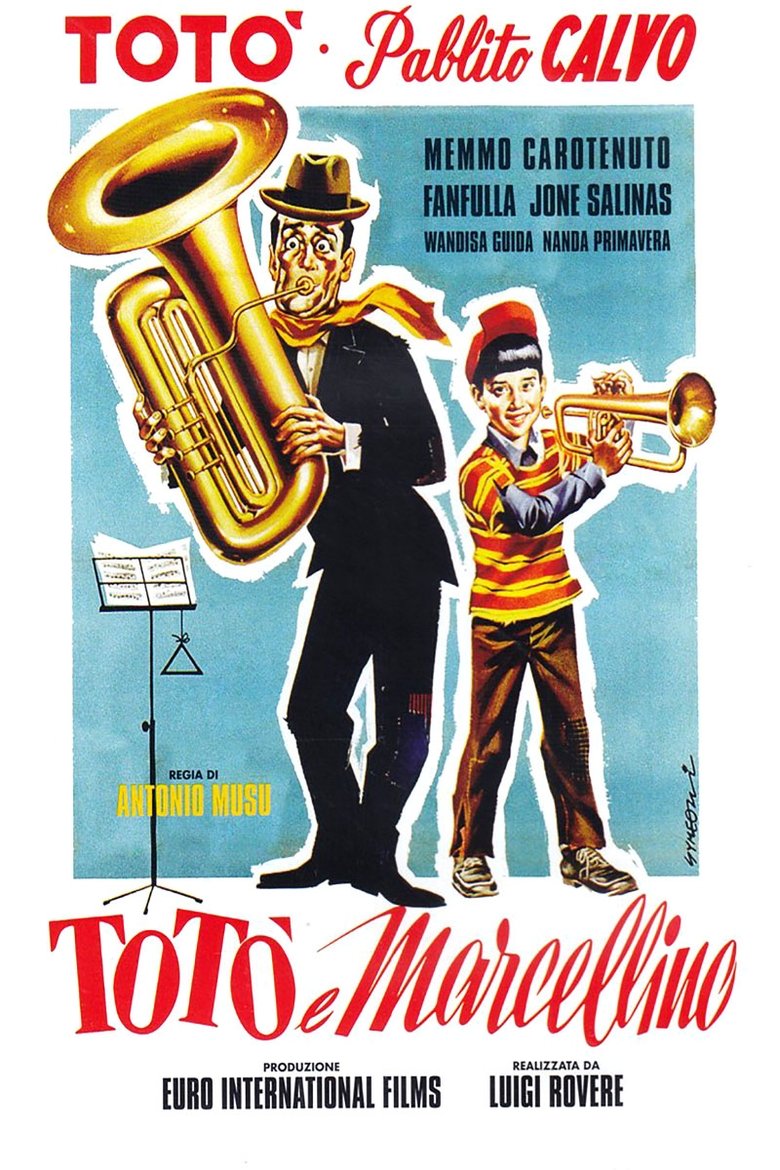
1958
Director
Antonio Musu
Runtime
97 minutes
Average Rating
No ratings yetSynopsis
Marcellino becomes an orphan and finds two uncles--a good old eccentric man and a villain.
Overall Score
Limited
Category Breakdown
LGBTQ+ Representation
The film contains no discernible LGBTQ+ characters or narratives. The social framework remains strictly traditional, focusing on the protagonist's relationship with the divine and his caregivers.
Gender Representation
The narrative adheres to mid-century gendered social structures. It does not actively challenge or deconstruct traditional masculine or feminine hierarchies, focusing instead on childhood innocence.
Racial & Ethnic Diversity
The cast and setting are ethnically homogeneous, reflecting the demographic reality of rural Italy in 1958. There is no evidence of intentional racial blending.
Religious & Cultural Diversity
The film highlights systemic failures of the community and clergy to protect the vulnerable. It uses extreme poverty to critique the material conditions of the era.
Disability Representation
No characters with visible or invisible disabilities drive the plot. However, the protagonist's status as an orphan creates a sense of social marginalization.
Strengths
Areas for Improvement
AI Analysis
Totò e Marcellino is a traditionalist period piece that prioritizes religious and regional authenticity over intersectional representation. The film operates within the established social and cultural hierarchies of its era. While the story offers a critique of institutional authority and systemic poverty, it does so through a lens of spiritual transcendence. The narrative focuses on a specific, localized Italian context rather than diverse identity structures. Ultimately, the film functions as a pastoral study of innocence. It lacks the modern breadth of representation, remaining deeply rooted in the demographic and social realities of 1958.
1952
1955
1942
1949
1951
1968
1950
1987
1950
1967

1954
1956
No reviews yet. Be the first to share your thoughts on this movie!
Use the rating form above to leave a star rating and optional review.