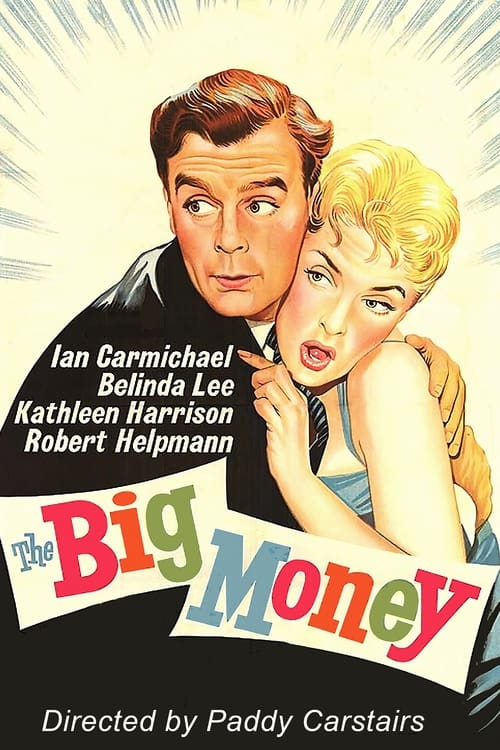
The Big Money
1958
No user ratings available yet
Diversity score: 2.3 out of 10
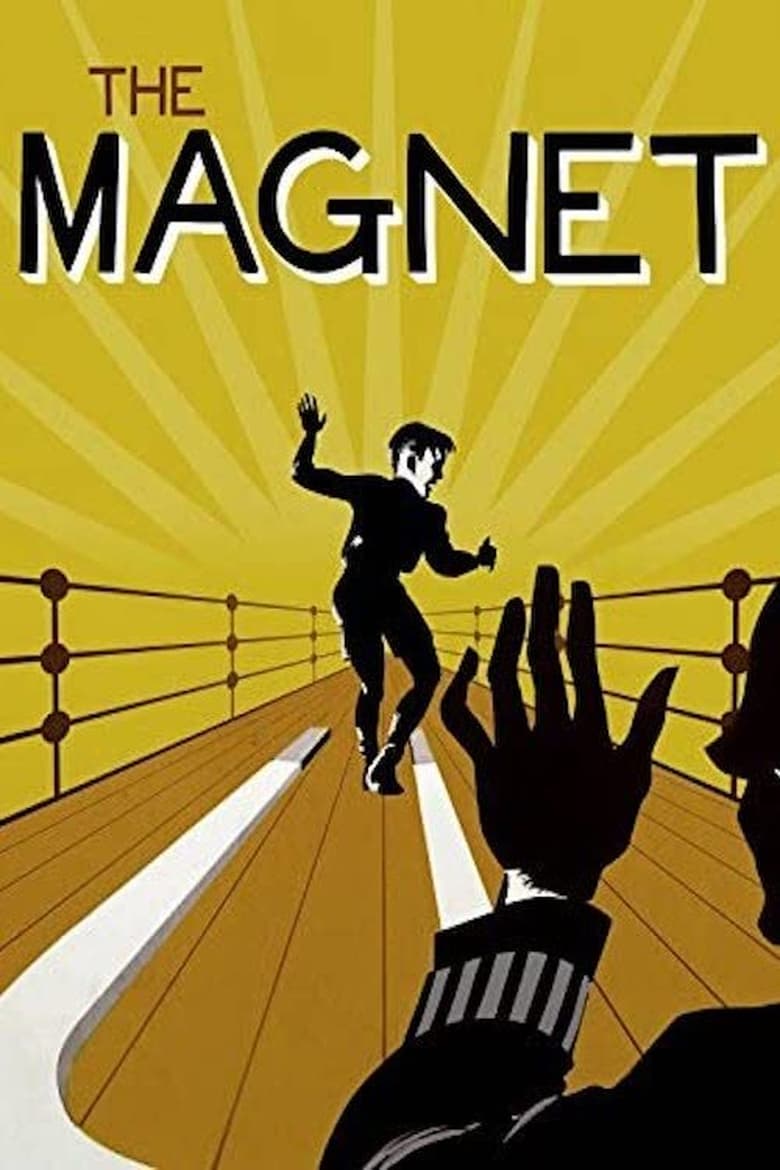
1950
ApprovedDirector
Charles Frend
Runtime
79 minutes
Average Rating
No ratings yetSynopsis
A classic Ealing comedy in which a young boy steals a magnet and becomes a hero.
Overall Score
Minimal
Category Breakdown
LGBTQ+ Representation
The film contains no depiction of non-heteronormative identities or queer subtext. Character dynamics focus entirely on conventional adolescent male friendships and traditional authority structures.
Gender Representation
The narrative is heavily skewed toward a male-centric environment. The plot is driven by schoolboys and male teachers, leaving female characters with almost no presence or influence.
Racial & Ethnic Diversity
The cast and setting are overwhelmingly homogeneous, reflecting the historical context of post-war Britain. There is no evidence of racial blending or color-blind casting.
Religious & Cultural Diversity
The film operates within a framework of traditional British institutionalism. It reinforces the stability of the school system rather than offering a critique of Western institutions.
Disability Representation
There is no discernible representation of physical, sensory, or neurodivergent disabilities. Characters are portrayed through a lens of able-bodied normativity.
Strengths
Areas for Improvement
AI Analysis
The Magnet functions as a historical artifact of mid-century British cinema, adhering strictly to the social and demographic norms of 1950. Its narrative is built around a localized, homogeneous setting that reinforces the established social hierarchies of the era. The film lacks intersectional complexity, focusing instead on the innocence of childhood curiosity within a stable social order. It does not attempt to disrupt conventional expectations regarding gender, race, or institutional authority. Ultimately, the production serves to reinforce the cultural status quo of its time rather than challenging systemic structures or providing diverse perspectives.
1958

1942
1949
1941
1949
1950
1952
1956

1955
1961
1939

1944
No reviews yet. Be the first to share your thoughts on this movie!
Use the rating form above to leave a star rating and optional review.