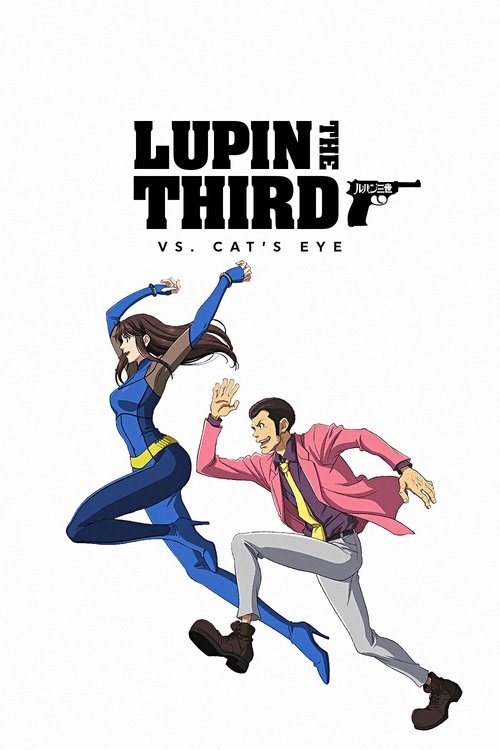
LUPIN THE 3rd vs. CAT'S EYE
2023
No user ratings available yet
Representation score: 7.8 out of 10

Representation Score
Fair
1987
UnratedDirector
Masayuki Ozeki
Runtime
73 minutes
Average Rating
No ratings yetNew Showbiz Analysis
The film functions as a medium-range progressive text that succeeds through the subversion of gendered power dynamics. It avoids the pitfalls of Western-centric casting by leaning into culturally specific Japanese folklore. However, the work lacks explicit markers regarding LGBTQ+ identities and disability. The narrative architecture prioritizes kinetic action and traditional romantic dynamics over a broader spectrum of human experience. Ultimately, the score reflects a balance between its successful deconstruction of authority and its reliance on conventional social structures for its character archetypes.
Category Breakdown
The film follows traditional structures typical of 1980s action animation, showing no visible same-sex intimacy or non-cisgender identities among the main characters.
Fujiko Mine challenges traditional gender roles by acting as a actively leading strategist. While Murasaki serves as a damsel in distress, Fujiko operates independently based on her own interests.
The cast is ethnically homogeneous, reflecting its Japanese production and folklore roots. It avoids Western-centric casting by grounding the conflict in indigenous historical narratives like the Fuma clan.
The narrative celebrates anti-authoritarianism and moral relativism. It frames the protagonists' disregard for legal structures and social hierarchies as a source of liberation and adventure.
The film lacks significant representation of characters with visible or invisible disabilities. The focus remains on physical prowess and kinetic action throughout the story.
Present on Screen
Limited or Absent
Official Synopsis
Goemon's wedding to Murasaki Suminawa, daughter of a samurai clan's leader, is interrupted when the Fuma ninjas attack, kidnapping the bride-to-be and demanding her family's ancient treasure as ransom. Lupin, Jigen, Goemon and Fujiko work together once again to try to save Murasaki and get to the treasure before the Fuma can steal it.
2023
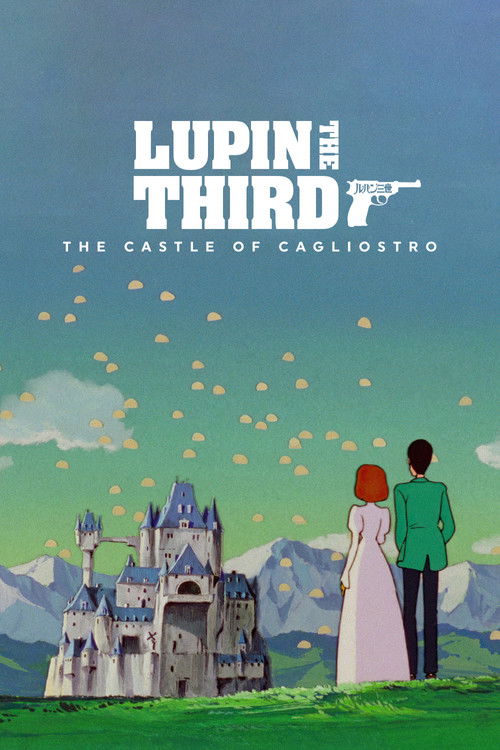
1979
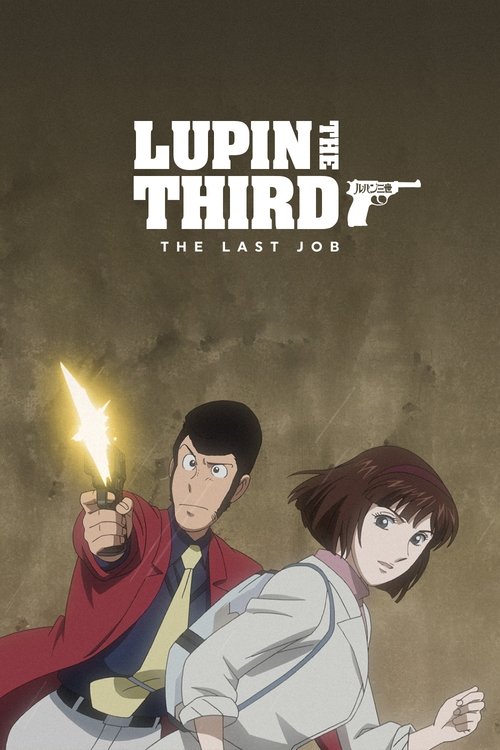
2010

2001
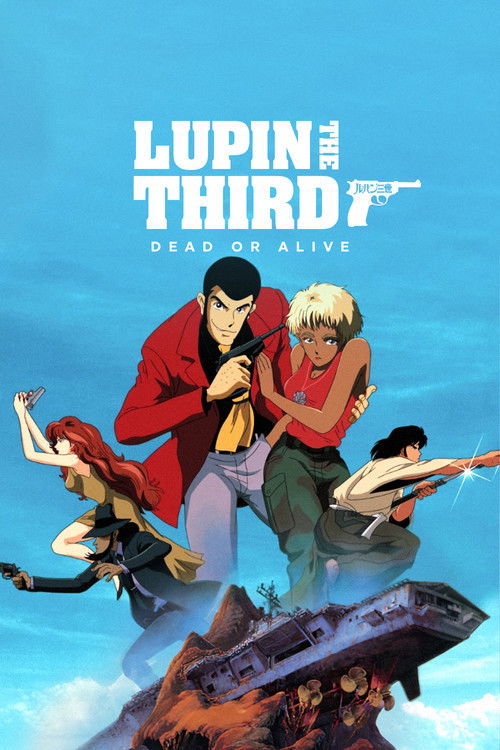
1996
1985
1995
2002
No reviews yet. Be the first to share your thoughts on this movie!
Use the rating form above to leave a star rating and optional review.