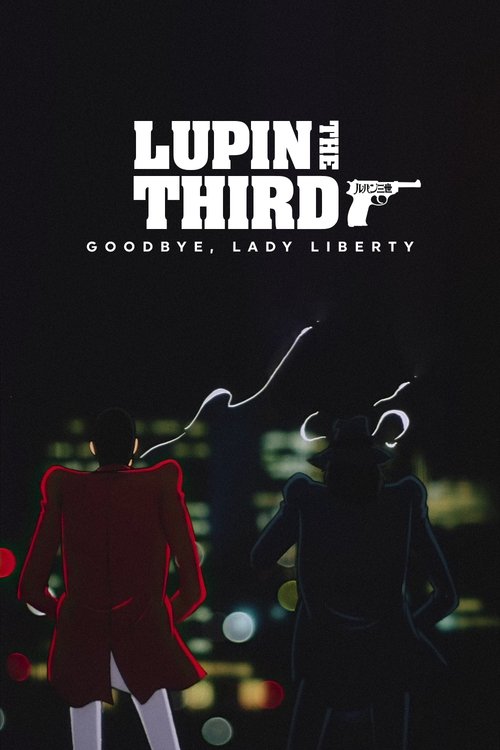
Lupin the Third: Bye Bye, Lady Liberty
1989
No user ratings available yet
Representation score: 5.7 out of 10
Representation Score
Limited
1995
PG-13Director
Shunya Ito, Takeshi Shirato, Nobuo Tomizawa
Runtime
100 minutes
Average Rating
No ratings yetNew Showbiz Analysis
This action film focuses on fast-paced storytelling and genre conventions rather than social commentary. While it offers a sophisticated postmodern experience, it adheres to the established norms of its universe. The film's strength lies in Fujiko Mine, who challenges traditional gender roles with her independence and intelligence. However, it fails to address multi-layered identities or systemic power structures. Overall, the movie serves as high-energy entertainment, lacking meaningful representation for LGBTQ+ communities or individuals with disabilities.
Category Breakdown
The film doesn't include any LGBTQ+ characters or non-cisgender identities. Romantic relationships are confined to traditional heterosexual dynamics.
Fujiko Mine stands out as a powerful and independent character who uses her intelligence and cunning to outmaneuver male characters, challenging traditional submissive feminine roles.
The cast includes a mix of characters with Japanese and European backgrounds. However, the diversity is used primarily for character design rather than exploring racial issues.
The storyline revolves around a cult inspired by Nostradamus, portraying religion as a source of chaos. The setting emphasizes a high-tech, secular environment.
The film does not feature any characters with visible or invisible disabilities. Characters are defined by their physical abilities needed for high-stakes action.
Present on Screen
Limited or Absent
Official Synopsis
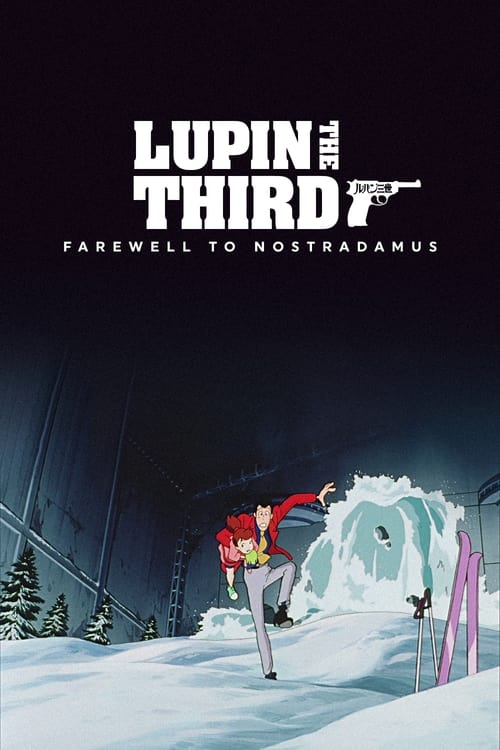
A simple diamond heist leads Lupin into the machinations of a bizarre cult based around the prophecies of Nostradamus. They kidnap Julia, the daughter of Douglas, a wealthy American who is seeking the presidency, along with Lupin's diamond. At stake is the lost book of prophecy Douglas holds in the vault at the top of his skyscraper.
1989
1979
1996
2019

1987
1991
2013

2000
No reviews yet. Be the first to share your thoughts on this movie!
Use the rating form above to leave a star rating and optional review.