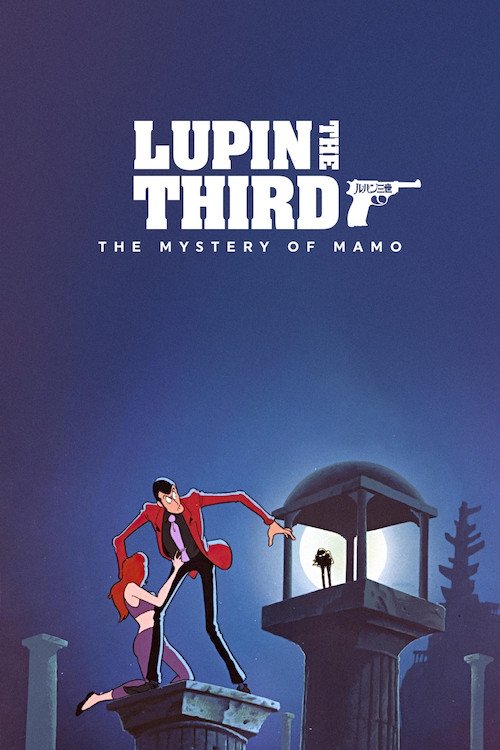
Lupin the Third: The Mystery of Mamo
1978
No user ratings available yet
Representation score: 5.1 out of 10
Representation Score
Fair
1985
Director
Seijun Suzuki, Shigetsugu Yoshida
Runtime
100 minutes
Average Rating
No ratings yetNew Showbiz Analysis
This heist-driven adventure prioritizes genre clichés over intentional characters who reflect more than one aspect of diversity. While it offers a nuanced take on women's ability to drive the story through Fujiko Mine, the characterization remains tied to traditional archetypes. The film explores moral relativism by framing professional criminals as autonomous adventurers rather than villains. However, it lacks a broader spectrum of identities, focusing instead on a homogeneous core ensemble. Ultimately, the film functions as a classic genre piece that lacks the systemic diversity or identity-driven architecture required for a more progressive score.
Category Breakdown
The film adheres to a traditional structure that assumes everyone is straight or cisgender. There are no depictions of non-traditional gender identities or same-sex relationships, with character dynamics staying focused on conventional clichés.
Fujiko Mine plays a significant role in driving the story, using her intellect to navigate male-dominated structures. However, the film relies heavily on the single femme fatale cliché.
Despite a global setting, the cast remains largely homogeneous, centered around a Japanese ensemble. The narrative lacks significant multi-layered casting to challenge demographic norms.
The story frames criminal behavior as adventure through a relativist moral lens. It avoids systemic critiques of authority, treating the pursuit of wealth as a neutral plot driver.
The narrative lacks characters with visible or invisible disabilities. The focus remains strictly on the physical prowess and specialized skills of the core quartet.
Present on Screen
Limited or Absent
Official Synopsis
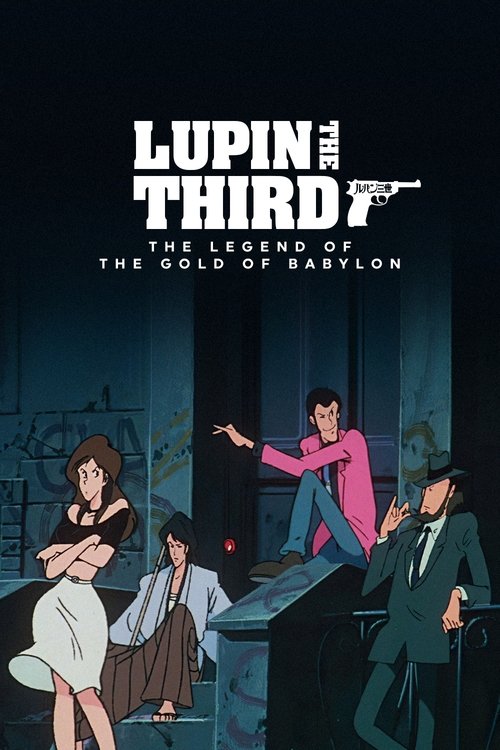
Lupin squares off with two criminal families and Inspector Zenigata's new female patrol to track down a hoard of biblical-era treasure.
1978
1979

1987

2019

2000
1999

2001
1994
No reviews yet. Be the first to share your thoughts on this movie!
Use the rating form above to leave a star rating and optional review.