
Bloody Nose, Empty Pockets
2020
No user ratings available yet
Representation score: 5.8 out of 10
Representation Score
Good
1957
Not RatedDirector
Lionel Rogosin
Runtime
65 minutes
Average Rating
No ratings yetNew Showbiz Analysis
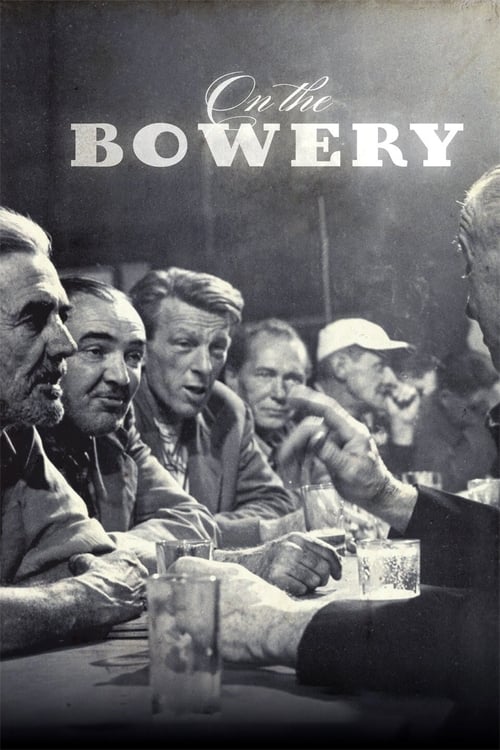
Lionel Rogosin’s work disrupts mid-century cinematic hierarchies by utilizing non-professional actors to capture authentic, underrepresented perspectives. The film succeeds in its neorealist mission to document the disenfranchised without the polish of studio-driven narratives. While the film excels at portraying the systemic consequences of poverty and the breakdown of traditional institutions, it remains limited by its historical context. The focus on class-based survival often leaves other identity markers, such as queer identity, largely unaddressed. Ultimately, the film is a powerful study of urban diversity and systemic oppression. It provides a meaningful depiction of the underclass by refusing to present a homogeneous experience.
Category Breakdown
The film focuses on socioeconomic struggles within a mid-century neorealist framework. There are no explicit queer narratives or representations of non-assuming gender matches what was assigned at birth identities.
Women navigate the same harsh urban environments as men. The film prioritizes collective poverty over traditional domesticity but does not explicitly center women's ability to drive the story.
Rogosin captures a diverse cross-section of the urban underclass. Racial minorities are presented as integral components of the Bowery landscape.
The narrative critiques capitalist structures by documenting those discarded by mainstream society. It frames the breakdown of traditional institutions as a systemic failure rather than individual moral failings.
The documentary provides a raw look at the physical and mental health struggles of addiction and poverty. It avoids romanticizing these conditions, presenting them as unvarnished realities.
Present on Screen
Limited or Absent
Official Synopsis
A mix of documentary and scripted footage on the Bowery, New York City's skid row. Against a backdrop of men (and a few women) drinking in bars, talking and arguing, and sleeping on sidewalks, we have the story of Ray.
2020
2000

1963
1926

2011
2012
1967
1967
No reviews yet. Be the first to share your thoughts on this movie!
Use the rating form above to leave a star rating and optional review.