Call of the Klondike
1950
No user ratings available yet
Representation score: 1.0 out of 10
Representation Score
Minimal
1963
K-12Director
Aarne Tarkas
Runtime
90 minutes
Average Rating
No ratings yetNew Showbiz Analysis
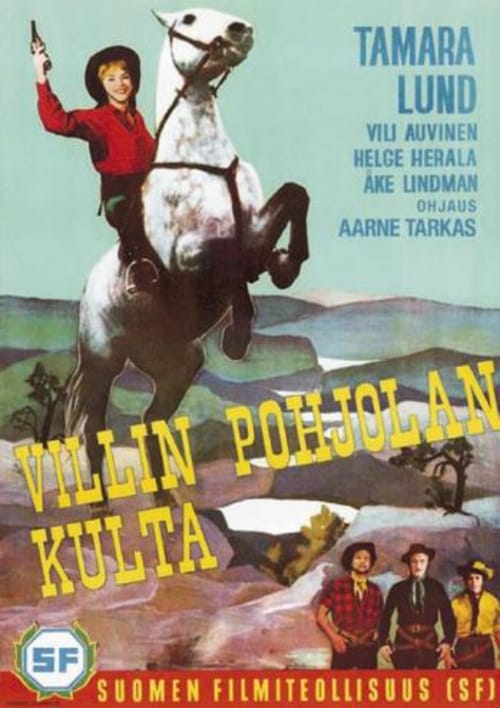
Villin Pohjolan kulta functions as a regionalist adaptation of the Western genre, transplanting frontier clichés to a Northern landscape. While this disrupts the American monopoly on the genre, the social framework remains quite narrow. The film relies on conventional mid-century storytelling, where male characters drive the action and female characters serve as plot motivators. The social landscape is homogeneous, lacking racial or sexual diversity. Ultimately, the film is a traditional adventure piece. It offers a localized setting but adheres to the patriarchal and ethnically uniform social structures typical of 1960s regional cinema.
Category Breakdown
The film does not depict any non-straight relationships or identities. The story follows traditional romantic structures focused on the pursuit of a female lead.
Men play the primary roles in driving the plot, while women are mostly defined by their involvement in male conflicts. Karin, a central character, has a limited role defined by her status as a prize in male conflicts.
The cast appears ethnically homogeneous, focusing on local socioeconomic hierarchies. There is no evidence of diverse racial identities or intentional blending of backgrounds.
The narrative explores systemic corruption and predatory power structures within local capitalism. However, it remains rooted in traditional adventure clichés rather than deep institutional critique.
There is no documented evidence regarding the portrayal of physical or neurodivergent characters in this production.
Present on Screen
Limited or Absent
Official Synopsis
A western set in the "Wild North". The Vornan brothers Joel, Tommi, and Kai are framed for the robbery of a gold-laden carriage and the murder of its drivers. Behind the accusations are Kristo, the saloon owner, and Markus, the bank manager, who wants to marry Karin, the daughter of Jäära, the richest man in the north.
1950
1962

1974
1964
1951
1968
1954

1950
No reviews yet. Be the first to share your thoughts on this movie!
Use the rating form above to leave a star rating and optional review.