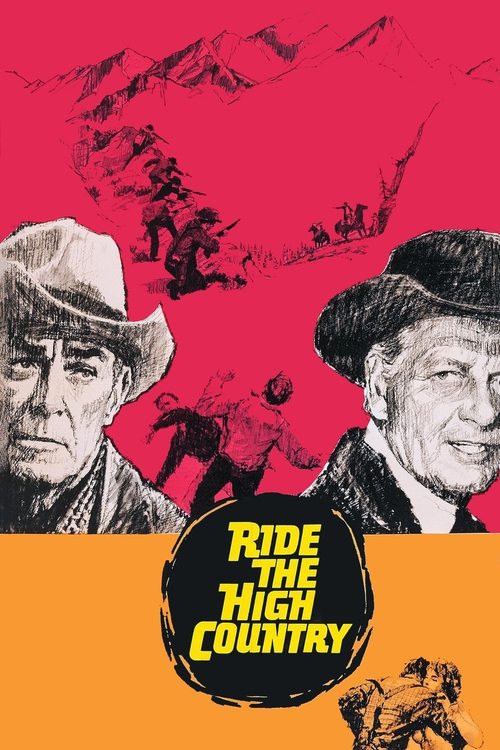
Ride the High Country
1962
No user ratings available yet
Representation score: 0.9 out of 10
Representation Score
Minimal
1954
NRDirector
Anthony Mann
Runtime
97 minutes
Average Rating
No ratings yetNew Showbiz Analysis
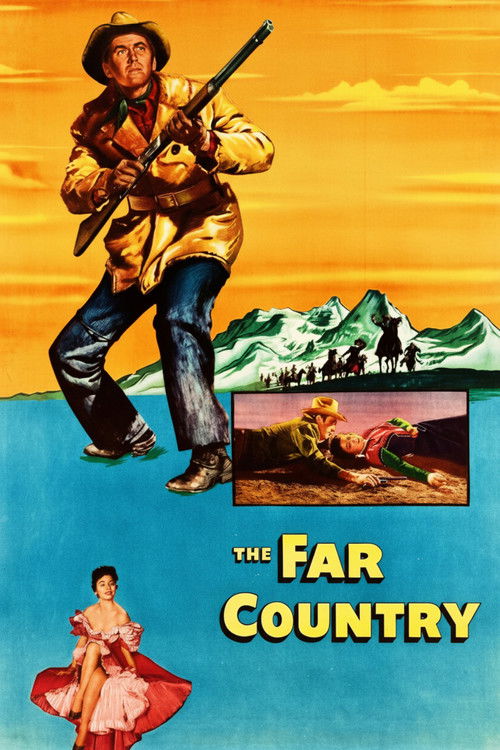
Anthony Mann’s psychological Western centers on the internal struggles of outcasts during the Klondike Gold Rush. The film emphasizes individualism and moral development, focusing less on diverse social representation. The narrative structure reinforces traditional Western archetypes and mid-century social hierarchies, prioritizing character-driven stories over underrepresented identities or the deconstruction of systemic power dynamics.
Category Breakdown
The film follows mid-century assumptions about straight relationships and does not depict any queer subtext or non-cisgender identities.
Women play important roles in the story but mainly as catalysts for the protagonist's redemption. They do not challenge traditional patriarchal structures.
The cast is mostly white, focusing on the white settler experience. Non-white characters have limited roles and depth in the narrative.
The story upholds traditional values emphasizing order and personal responsibility. Redemption is achieved through integrity and moral behavior.
The film does not focus on visible or invisible disabilities. Character struggles revolve around survival and moral fortitude rather than neurodivergence or illness.
Present on Screen
Limited or Absent
Official Synopsis
During the Klondike Gold Rush, a misanthropic cattle driver and his talkative elderly partner run afoul of the law in Alaska and are forced to work for a saloon owner to take her supplies into a newly booming but lawless Canadian town.
1962
1952
1946

1954
1994

1958

1956
1961
No reviews yet. Be the first to share your thoughts on this movie!
Use the rating form above to leave a star rating and optional review.