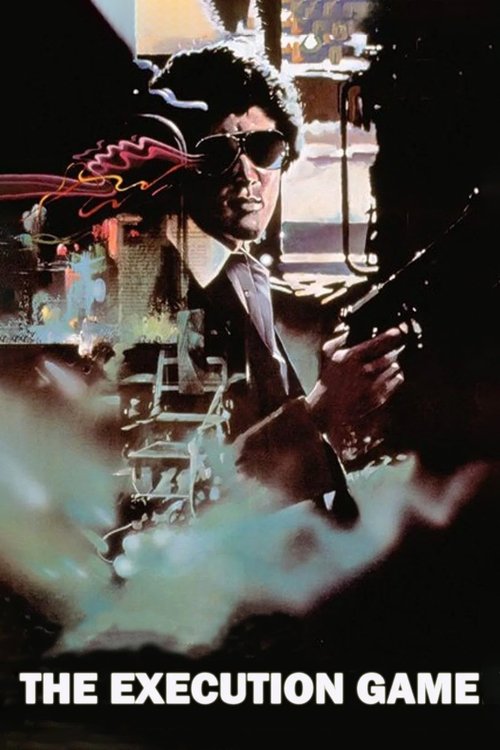
The Execution Game
1979
No user ratings available yet
Representation score: 7.3 out of 10
Representation Score
Limited
1978
Not RatedDirector
Tōru Murakawa
Runtime
92 minutes
Average Rating
No ratings yetNew Showbiz Analysis
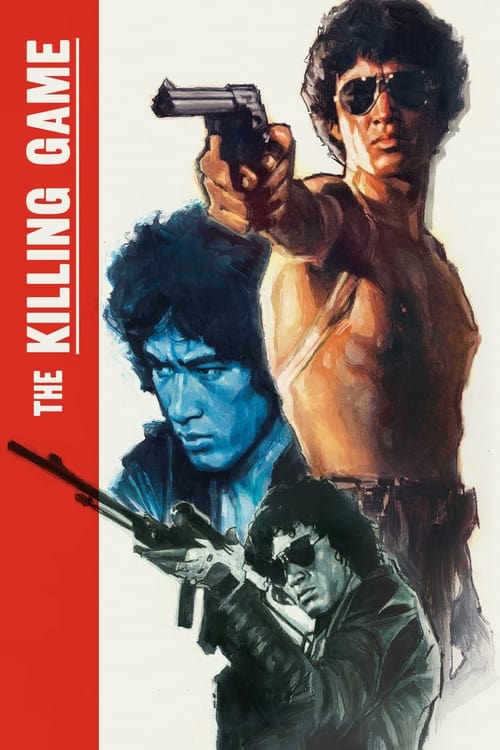
The Killing Game is a character-focused crime drama centered on the internal struggles of a professional assassin. It breaks down the hitman stereotype through themes of personal responsibility and chivalry. While the film provides a detailed look at the tension between individual actions and criminal hierarchies, it lacks diverse representation. The narrative stays within traditional genre structures and homogeneous social settings. Overall, the film serves as a localized examination of Japanese subculture rather than a platform for challenging social norms or promoting diverse casting.
Category Breakdown
The film does not include characters with non-traditional gender identities or stories that question the idea that everyone is straight. It follows typical gender roles common in 1970s crime movies.
Two female characters play important roles in the protagonist’s past, adding significance to the story. However, the main conflict is viewed through a male perspective focused on honor and violence.
The movie portrays a culturally uniform Japanese environment. It delves into local social rankings and yakuza traditions without featuring a multi-ethnic or color-blind cast.
The plot examines the clash between personal ethics and organized crime. It questions strict, violent rules within traditional organizations like the yakuza.
There are no characters with visible or invisible disabilities in the story.
Present on Screen
Limited or Absent
Official Synopsis
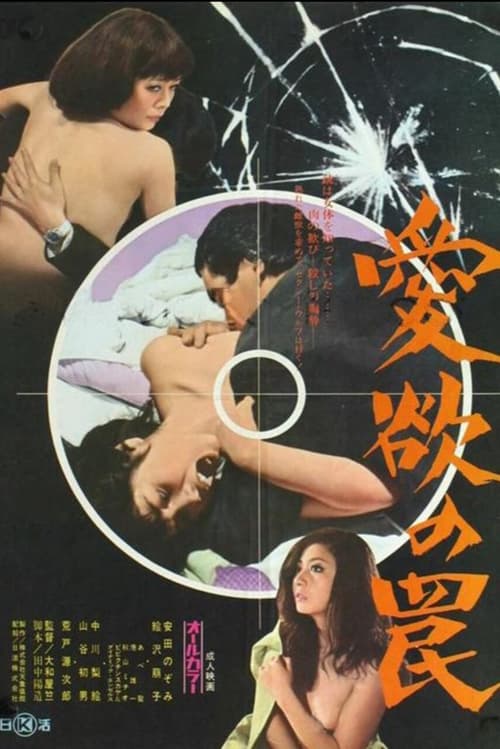
The second movie of Tôru Murakawa's "Game" trilogy. After making a sensational hit, a hitman has gone into hiding for five years. When he comes back he bumps into two women that he has spared five years ago. Two rival yakuza bosses hire Narumi to kill the other. Will Narumi's sense of chivalry entrap him again?
1979

1974
2002

1967

2007

1995
1978
1973
No reviews yet. Be the first to share your thoughts on this movie!
Use the rating form above to leave a star rating and optional review.