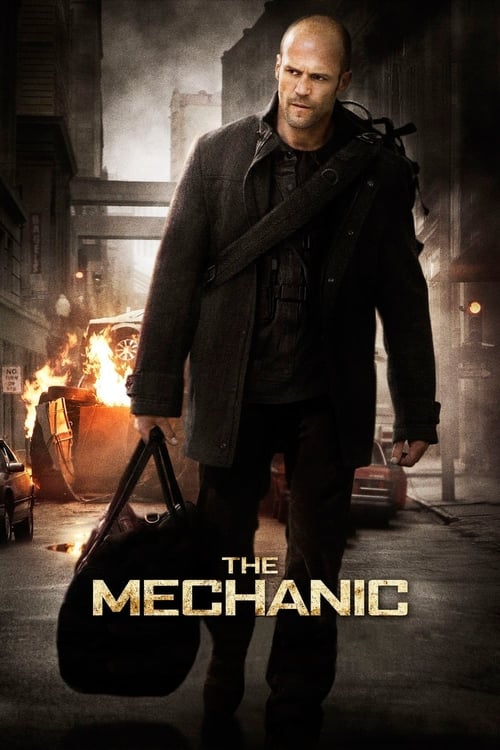
The Mechanic
2011
No user ratings available yet
Representation score: 0.9 out of 10

Representation Score
Limited
1972
PGDirector
Michael Winner
Runtime
99 minutes
Average Rating
No ratings yetNew Showbiz Analysis
The film features a narrow demographic profile, emphasizing traditional masculine archetypes and gender roles. It offers minimal representation for LGBTQ+ individuals and characters with disabilities. However, the film makes strides through its casting and thematic approach. The inclusion of a Black actor in a significant role was a notable shift from typical 1970s casting. Additionally, the narrative adopts a nuanced, postmodern stance on morality and ethics. Overall, the film balances its limited demographic diversity with a sophisticated, unconventional approach to ethics and casting.
Category Breakdown
The film does not depict any LGBTQ+ identities or provide any subtext related to these communities. The character dynamics focus solely on a traditional mentorship model.
The narrative centers around male characters, emphasizing masculine traits such as stoicism and violence. Female characters are minor and have little influence over the story.
O.J. Simpson plays a key role with significant narrative influence, challenging the era’s tendency to cast predominantly white actors. This inclusion stands out in 1970s cinema.
The film questions traditional morality by presenting assassination as a clinical transaction rather than a moral issue. It avoids the clichéd portrayal of heroes and instead focuses on moral ambiguity.
The film does not include any characters with visible or invisible disabilities. There is no use of disability as a plot device.
Present on Screen
Limited or Absent
Official Synopsis
Arthur Bishop is a veteran hit man who, owing to his penchant for making his targets' deaths seem like accidents, thinks himself an artist. It's made him very rich, but as he hits middle age, he's so depressed and lonely that he takes on one of his victim's sons, Steve McKenna, as his apprentice. Arthur puts him through a rigorous training period and brings him on several hits. As Steven improves, Arthur worries that he'll discover who killed his father.
2011
1968
2016
1971
2008
1978

2008
1974
No reviews yet. Be the first to share your thoughts on this movie!
Use the rating form above to leave a star rating and optional review.