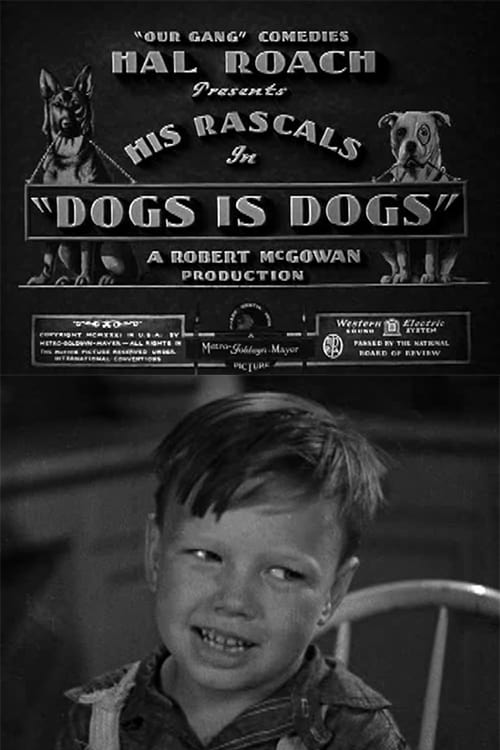
Dogs Is Dogs
1931
No user ratings available yet
Representation score: 1.9 out of 10
Representation Score
Minimal
1925
Director
Robert F. McGowan
Runtime
20 minutes
Average Rating
No ratings yetNew Showbiz Analysis
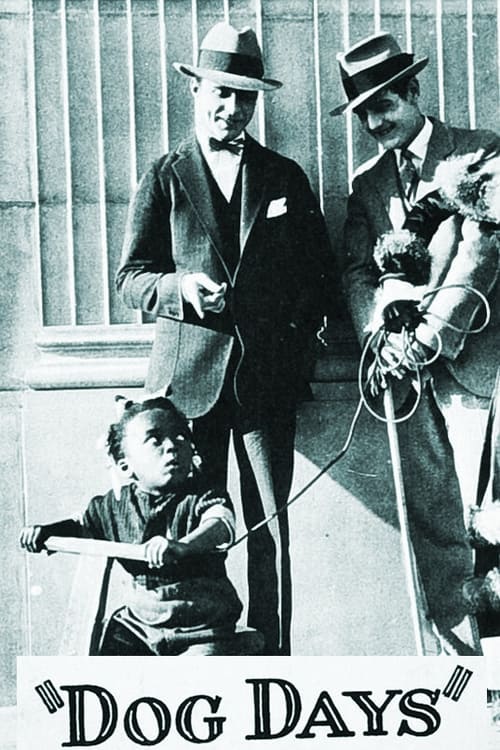
Dog Days adheres to the conventional narrative structures of the 1920s. It relies heavily on established clichés of rescue and class distinction rather than intentional social subversion. The film primarily explores the interaction between different socioeconomic classes. While it lacks multi-layered depth, it does provide a minor disruption of class-based etiquette through the actions of the children. Ultimately, the work serves as a situational comedy of manners. It does not engage with the complex identities or systemic critiques found in more progressive media.
Category Breakdown
The film does not include any characters with LGBTQ+ identities or same-sex relationships. The story focuses solely on typical childhood interactions.
Mary Kornman has economic power but her autonomy is limited by her mother. The rescue scene relies on the traditional portrayal of masculine strength through the character Mickey.
There is no mention of a diverse cast or non-Anglo-Saxon characters. The setting follows typical early 20th-century American casting practices.
The narrative mildly critiques class distinctions by showing children ignoring upper-class social rules.
The synopsis does not mention any characters with visible or invisible disabilities. There is no representation of neurodivergent or physically disabled individuals.
Present on Screen
Limited or Absent
Official Synopsis
The boys are showing off their dogs to each other when little rich girl Mary Kornman rides by in her pony-drawn cart. When the pony shies and runs away, Mickey comes to the rescue with his dog. In gratitude, Mary invites all the boys and their dogs to her party, much to the chagrin of her wealthy mother.
1931

1928
1930
1925

1923
1934

1939
1932
No reviews yet. Be the first to share your thoughts on this movie!
Use the rating form above to leave a star rating and optional review.