
Dog Days
1925
No user ratings available yet
Representation score: 1.4 out of 10

Representation Score
Minimal
1931
PassedDirector
Robert F. McGowan
Runtime
21 minutes
Average Rating
No ratings yetNew Showbiz Analysis
Dogs Is Dogs operates within the standard comedic frameworks of the early sound era. The narrative heavily relies on established domestic archetypes, particularly the cliché of the antagonistic stepmother and her child to drive conflict. While the director's reputation for ensemble-based variety suggests potential for racial diversity, the specific character makeup of this short remains unverified. The film lacks complexity in reflecting multiple aspects of identity or any systemic critique of social structures. Ultimately, the film serves as a traditional domestic comedy, prioritizing conventional storytelling over the representation of diverse identities or underrepresented perspectives.
Category Breakdown
The film does not include any representation of LGBTQ+ identities or non-cisgender characters. It follows a traditional domestic structure typical of early 1930s comedy shorts.
Conflict in the film centers around an antagonistic stepmother and her son, relying on traditional gender roles and domestic friction. These characters utilize well-known clichés rather than challenging gender hierarchies.
While the director's past work often includes integrated casts, specific casting details for this short are unknown. The score reflects the typical limitations of early 1930s studio productions.
The plot focuses on traditional family structures and domestic disruption. There is no indication of secular, anti-capitalist, or anti-institutional themes within the narrative.
There are no visible or invisible disabilities depicted or used as plot devices in this story.
Present on Screen
Limited or Absent
Official Synopsis
Wheezer and Dorothy are forced to live with her evil stepmother and her brat son.
1925
1934

1931

1938

1930
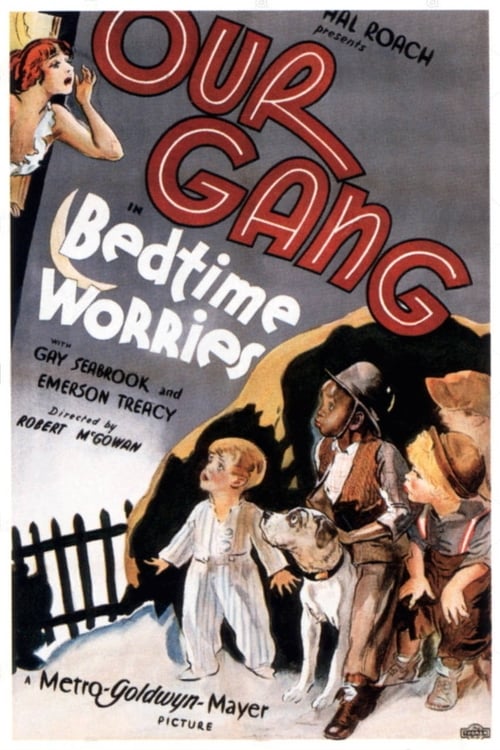
1933

1932

1933
No reviews yet. Be the first to share your thoughts on this movie!
Use the rating form above to leave a star rating and optional review.