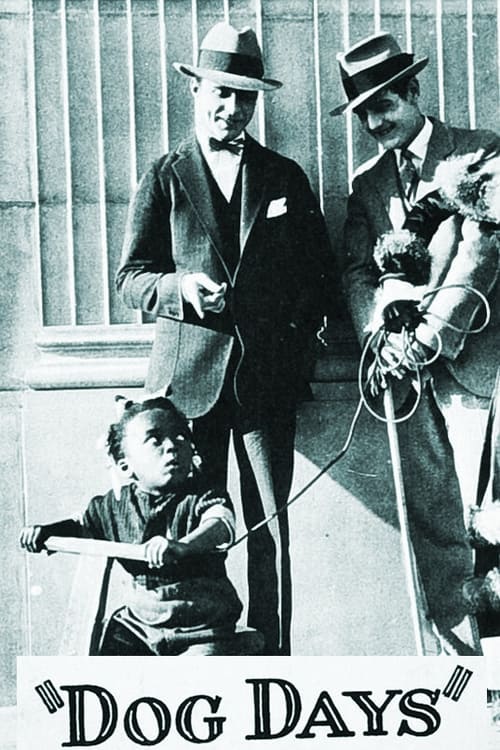
Dog Days
1925
No user ratings available yet
Representation score: 1.4 out of 10
Representation Score
Minimal
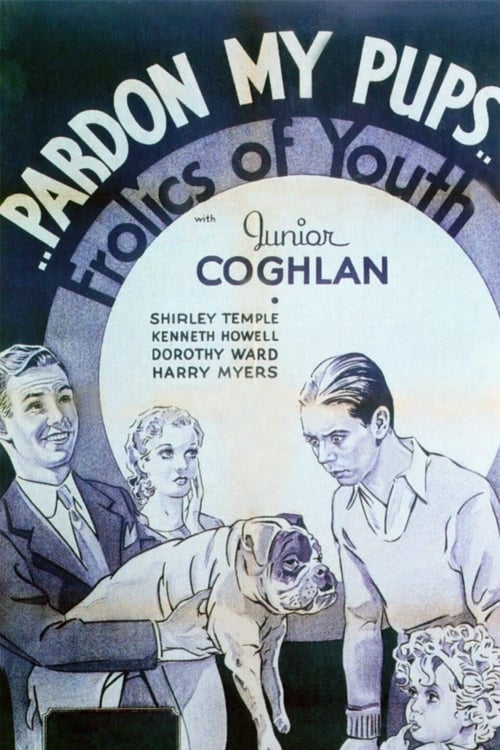
1934
NRDirector
Charles Lamont
Runtime
19 minutes
Average Rating
No ratings yetNew Showbiz Analysis
Pardon My Pups is a conventional 1930s domestic comedy that reinforces established social hierarchies rather than challenging them. The narrative structure relies on traditional patriarchal authority, with the father making unilateral decisions for the household. The film lacks meaningful roles for underrepresented groups, focusing instead on a linear coming-of-age story centered on male protagonists. It adheres strictly to the social norms of its era, offering little in the way of diverse perspectives or inclusive representation.
Category Breakdown
The film does not depict any non-straight relationships or same-sex intimacy. The story focuses solely on sibling and parental relationships.
The narrative centers on male-driven conflict and patriarchal authority. Sonny and his father drive the plot, while Mary Lou remains a secondary observer.
There is no evidence of diverse casting or the subversion of Anglo-Saxon norms. The film appears to follow the homogeneous casting typical of 1934.
The plot reinforces traditional Western values regarding the nuclear family. It emphasizes domestic stability and respect for parental authority.
The character arcs do not include any representation of physical disabilities or neurodivergence. No mental health themes are present.
Present on Screen
Limited or Absent
Official Synopsis
Mary Lou is excited because today is her older brother Sonny's birthday. Sonny wants a motorcycle, but his father has decided to buy him a dog instead, mainly because he himself wants to have a dog that he can take hunting. After a dispute with his father, Sonny leaves home. As he walks along a railroad track, he finds a frightened lost dog, and soon he begins to feel differently about dogs.
1925
1927
1930

1939
1934
1938
1920
1915
No reviews yet. Be the first to share your thoughts on this movie!
Use the rating form above to leave a star rating and optional review.