The Pajama Game
1957
No user ratings available yet
Representation score: 2.5 out of 10
Representation Score
Minimal
1953
ApprovedDirector
Henry Levin
Runtime
81 minutes
Average Rating
No ratings yetNew Showbiz Analysis
The film is a typical product of mid-century Hollywood, adhering to the established social and narrative norms of its era. It functions primarily as a romantic comedy that reinforces prevailing social hierarchies rather than challenging them. While the film offers a slight subversion of gendered competence by making the female lead more practical than her partner, it lacks depth in addressing multiple aspects of identity. The narrative focuses on personal romantic development rather than systemic critique. Ultimately, the production reflects the demographic homogeneity of the 1950s, offering a Eurocentric historical context that avoids broader racial or social complexities.
Category Breakdown
The film does not depict any LGBTQ+ identities or non-straight relationships. The romantic storyline centers around a traditional heterosexual couple.
The female lead is portrayed as a grounded and capable individual, contrasting with the male lead's initial lack of practical skills. However, the ending aligns with traditional romantic clichés.
The cast is predominantly white, reflecting the demographic homogeneity of the 1950s studio system. The narrative lacks significant representation of racial or ethnic minorities.
The story emphasizes the reconciliation of urban and rural lifestyles through marriage. It reinforces conventional Western values regarding family and social stability.
There are no prominent depictions of physical or neurodivergent disabilities. No characters have arcs defined by sensory or mental health conditions.
Present on Screen
Limited or Absent
Official Synopsis
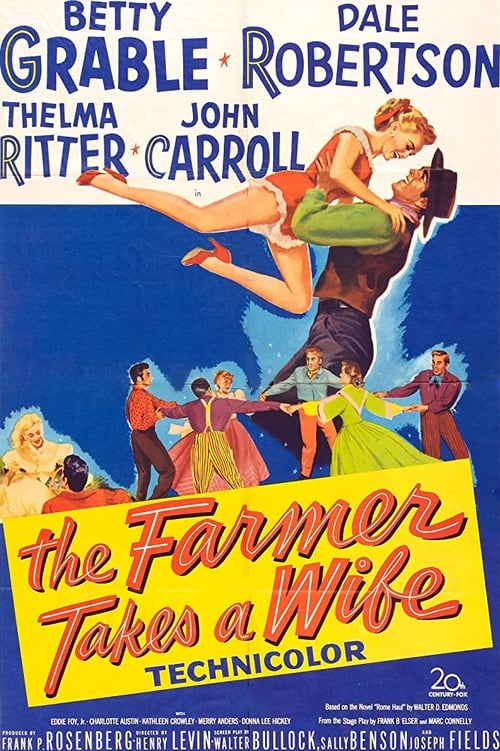
Erie Canal, N.Y., 1850: Molly Larkins, cook on Jotham Klore's canal boat, has a love-hate relationship with her boss. She hires handsome new haul-horse driver Dan Harrow and the inevitable triangle develops (complicated by Dan's desire to farm and Molly's to boat) against a background of the canalmen's fight against the encroaching railroad.
1957
1933
1946
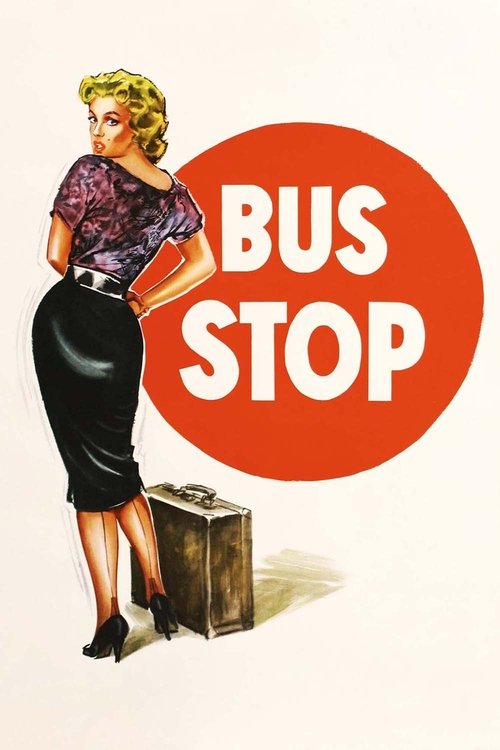
1956

1960
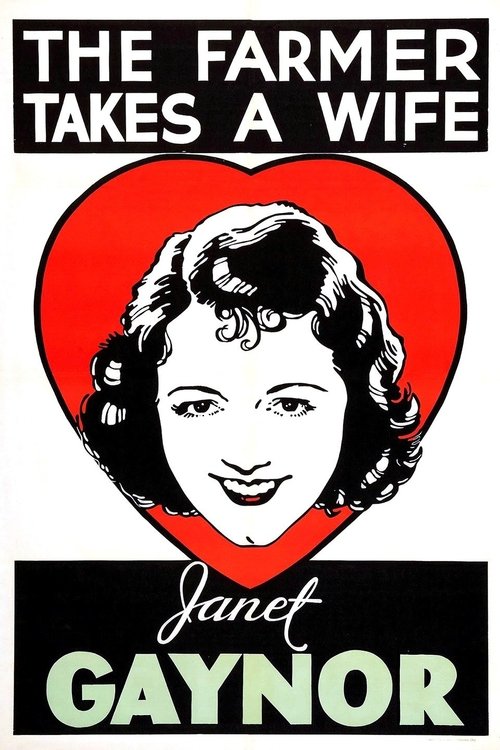
1935
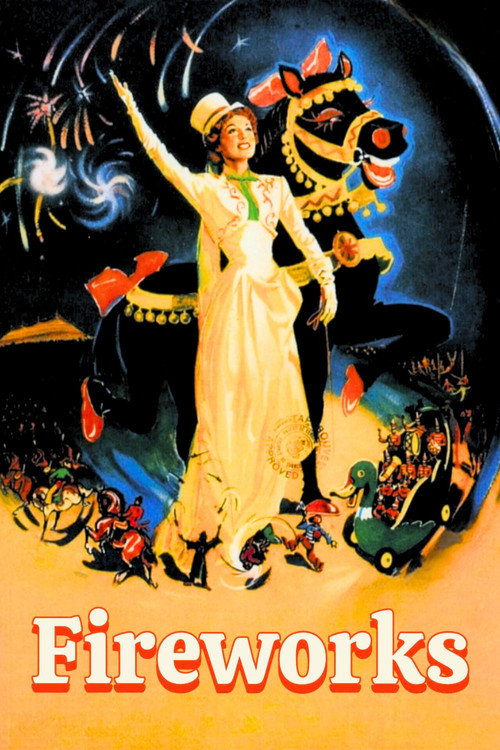
1954
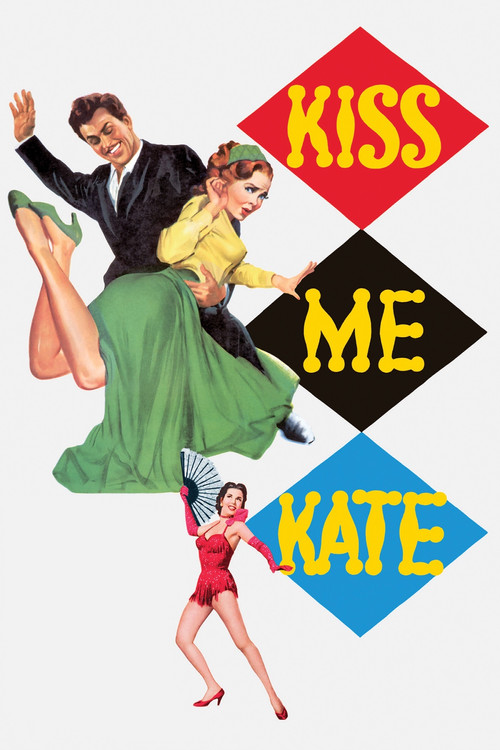
1953
No reviews yet. Be the first to share your thoughts on this movie!
Use the rating form above to leave a star rating and optional review.