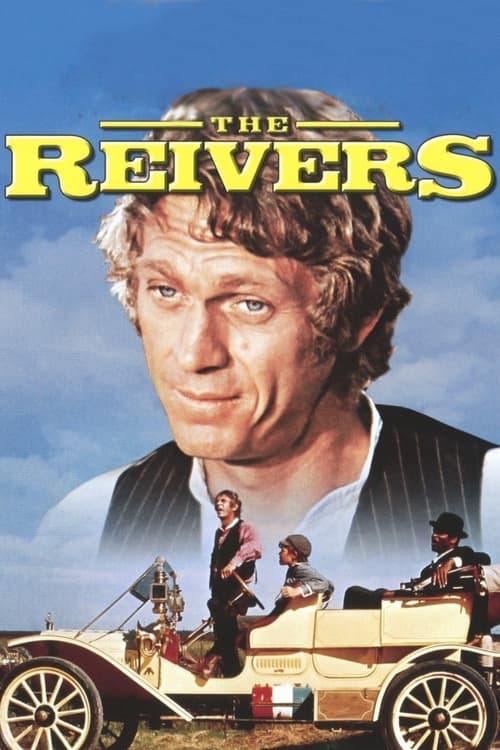
The Reivers
1969
No user ratings available yet
Representation score: 0.5 out of 10
Representation Score
Minimal
1959
NRDirector
Don Siegel
Runtime
87 minutes
Average Rating
No ratings yetNew Showbiz Analysis
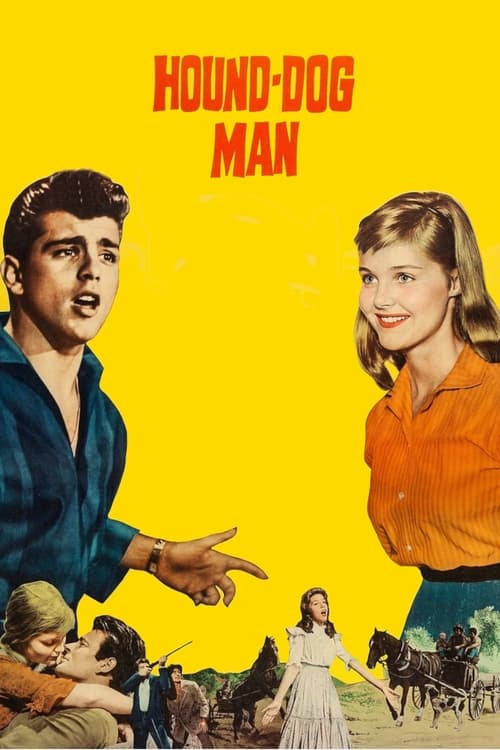
Hound-Dog Man is a period drama that closely follows the social and demographic norms of the late 1950s. The narrative centers on conventional masculine figures and heterosexual relationships, offering limited space for diverse identities. The film’s focus on a rural, homogeneous environment and traditional family dynamics restricts its scope. Female characters primarily serve as catalysts for male development rather than independent agents. Overall, the work reflects the era’s tendency towards demographic homogeneity and standard social hierarchies, presenting a traditional view of early 20th-century rural life.
Category Breakdown
The film focuses on traditional heterosexual relationships and does not include any characters with diverse gender identities or critique of societal norms regarding sexual orientation.
Men play key roles in driving the story, while women are mainly portrayed as romantic interests or objects of desire rather than having their own independent roles.
The setting suggests a homogeneous society within a rural, likely Anglo-Saxon community. The film does not feature a multi-ethnic cast or underrepresented groups.
The story examines rural life and family rebellion, reinforcing traditional values of family and social structures without challenging them.
There is no depiction of characters with visible or invisible disabilities, nor any representation of neurodivergence or physical impairments.
Present on Screen
Limited or Absent
Official Synopsis
A rustic drama set in the early 20th century, Hound Dog Man is the simple story of a young man, Spud Kinney constantly in hot water for disobeying his mother. The lad should be watching the family farm, but he falls in with his older brother, Clint, and his reckless buddy Blackie Scantling who take him hunting in hillbilly country. The boy falls in love with a beautiful mountain girl, while Blackie has his own fling with another attractive hillbilly maiden, Nita Stringer, and then becomes mixed up with an older, married woman, Sussie Bell.
1969
1954
1957
1960
1948
1956

1941

1967
No reviews yet. Be the first to share your thoughts on this movie!
Use the rating form above to leave a star rating and optional review.