
Everest
1998
No user ratings available yet
Diversity score: 2.6 out of 10

2007
PGDirector
Lance Trumbull
Average Rating
No ratings yetSynopsis
Orlando Bloom narrates this documentary that places the majestic mountain at the center of the sometimes differing aspirations of the peoples around it.
Overall Score
Fair
Category Breakdown
LGBTQ+ Representation
The documentary focuses strictly on the technical and physical realities of high-altitude mountaineering. There are no LGBTQ+ characters or narratives addressing non-cisnormative identities.
Gender Representation
The film reflects the male-dominated mountaineering industry of the 1990s. It lacks significant female agency, as the primary subjects and decision-makers are male climbers and guides.
Racial & Ethnic Diversity
The film provides meaningful representation by centering the Sherpa community. It showcases their essential expertise and agency rather than treating them as mere background figures.
Religious & Cultural Diversity
The narrative explores the tensions of extreme tourism and commercialization. It observes the impact of global capitalism on local socioeconomic structures through the lens of the expedition.
Disability Representation
The film explores temporary physical limitations caused by hypoxia and exhaustion. However, it does not offer nuanced explorations of neurodivergence or chronic illness.
Strengths
Areas for Improvement
AI Analysis
Everest: A Climb for Peace offers a nuanced look at the human element of mountaineering by centering the Sherpa people. This provides a vital counter-narrative to typical Western-centric views of the mountain, highlighting indigenous expertise and indispensable labor. However, the film is heavily constrained by the historical context of the 1996 climbing season. The narrative architecture remains rooted in traditional masculine leadership structures, offering very little female agency or representation. While the film captures the socioeconomic stratification between Western clients and local guides, it prioritizes the visceral struggle for survival over a direct critique of social or political institutions.
1998
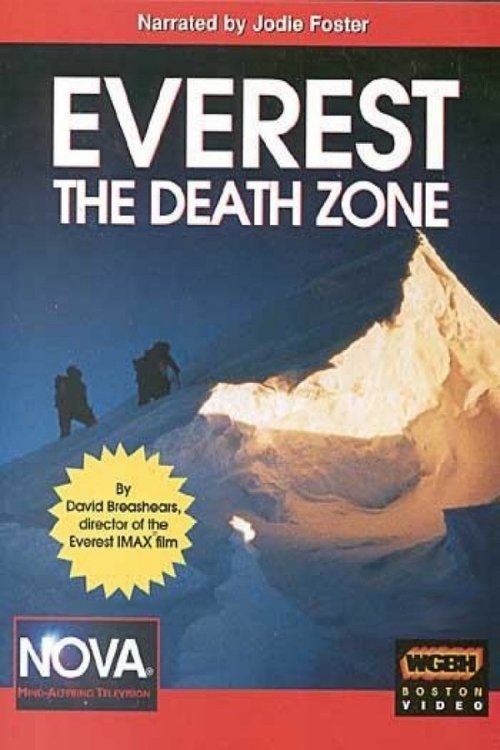
1998
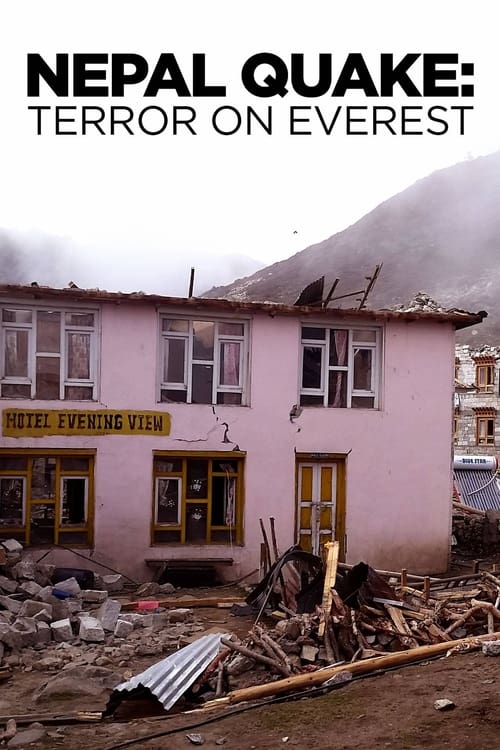
2015
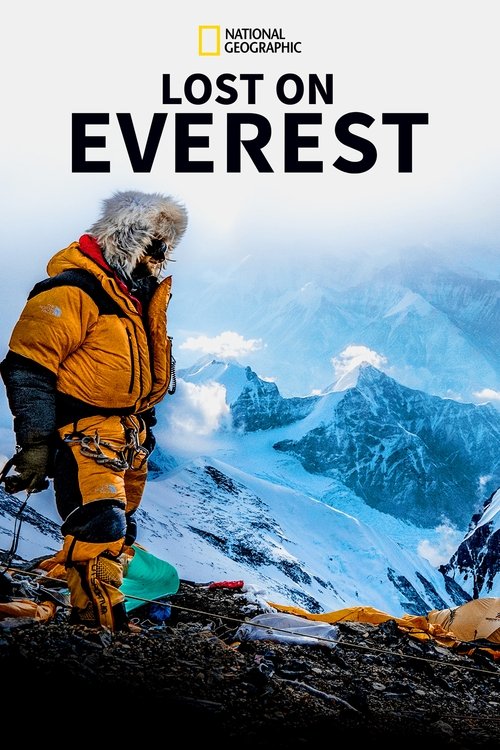
2020
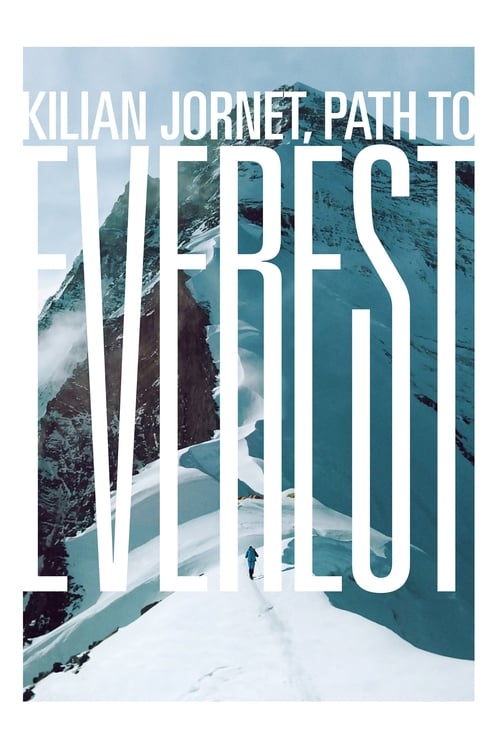
2018
1977

2012

2017
1985
2005
2022

2014
No reviews yet. Be the first to share your thoughts on this movie!
Use the rating form above to leave a star rating and optional review.