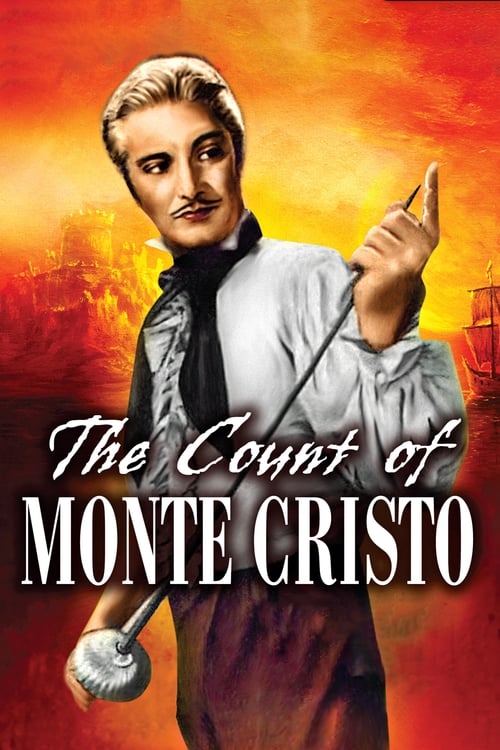
The Count of Monte Cristo
1934
No user ratings available yet
Representation score: 2.4 out of 10
Representation Score
Limited
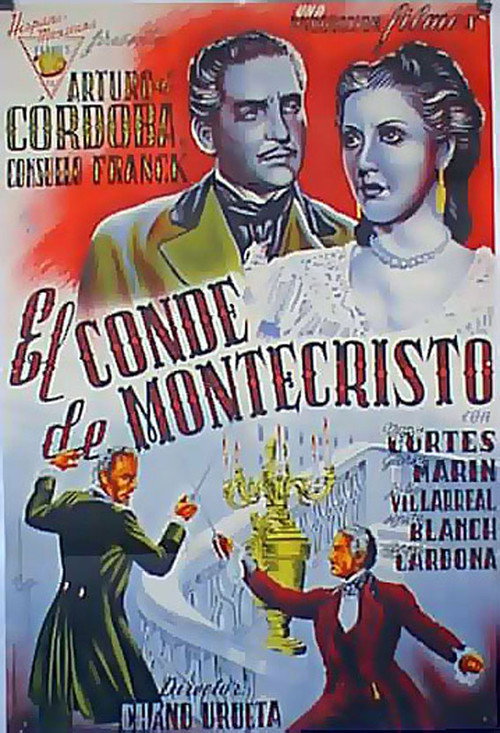
1942
Director
Chano Urueta
Runtime
183 minutes
Average Rating
No ratings yetNew Showbiz Analysis
Chano Urueta’s adaptation of the Dumas classic functions as a traditional dramatic piece. It prioritizes the hero's journey of individualist vengeance and the restoration of social status over any modern exploration of overlapping identities. The film remains tied to the 19th-century social hierarchies of the source material. This results in a narrative where men play the primary role and social structures are viewed through the lens of personal honor. While the production is a product of the Golden Age of Mexican cinema, it does not deviate from the Eurocentric themes of the original text. It lacks the broader critique or diverse casting necessary to improve its diversity profile.
Category Breakdown
The film doesn't include any LGBTQ+ characters or stories that go beyond the assumption that everyone is straight or cisgender. It follows the traditional romantic and social structures from the original Dumas adaptation.
The story revolves around a male-led quest for revenge and social restoration. Female characters mainly serve as emotional catalysts defined by their relationships to the male protagonist.
This Mexican production probably mirrors the Eurocentric setting of the original novel. There is no indication of color-blind casting or diverse ethnic representation in this version.
The narrative centers on personal honor and individual retribution. It frames justice through classical melodrama rather than a broader critique of institutional oppression.
Physical frailty is mentioned through a character's death in prison, but there is no evidence of neurodivergence. Disability is used for emotional impact rather than a meaningful exploration of lived experience.
Present on Screen
Limited or Absent
Official Synopsis
Based on the famous novel by Alexandre Dumas, The Count of Monte Cristo tells the story of a man who is unjustly imprisoned alongside an old man, who before dying reveals the location of a buried treasure. When the man manages to escape from his miserable cell, he changes his identity, becoming the wealthy Count of Monte Cristo, an identity he uses to take revenge on those who betrayed him and sent him to prison.
1934

1948

1934

1940

1937

1935

1956
1975
No reviews yet. Be the first to share your thoughts on this movie!
Use the rating form above to leave a star rating and optional review.