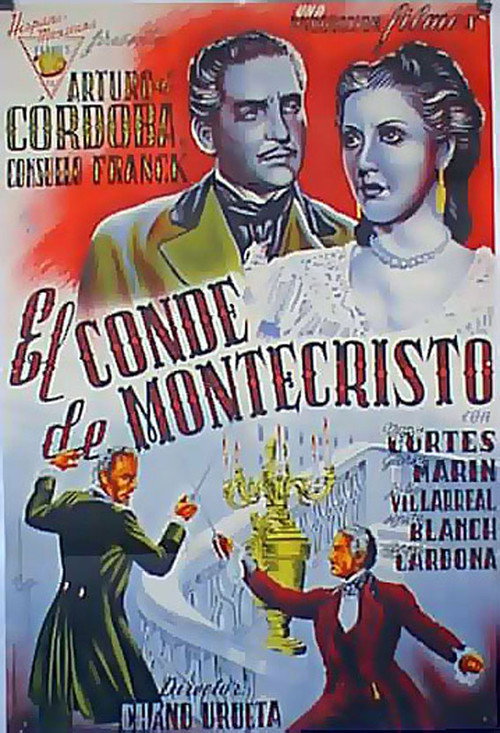
El conde de Montecristo
1942
No user ratings available yet
Representation score: 3.6 out of 10
Representation Score
Limited
1934
PGDirector
Rowland V. Lee
Runtime
113 minutes
Average Rating
No ratings yetNew Showbiz Analysis
This 1934 adaptation of the classic tale operates as a traditional period drama emphasizing individualist vengeance and conventional romantic clichés. The storytelling adheres closely to the social and cinematic norms of its time, lacking diverse representation. While the film offers a critique of institutional corruption, it frames this critique through personal justice rather than a broader examination of systemic issues. The narrative centers on a homogeneous European cast and traditional gender roles. Overall, the film exemplifies early 20th-century studio filmmaking, marked by a lack of demographic diversity and a reinforcement of established social structures.
Category Breakdown
The film focuses solely on heterosexual relationships, with no hints of LGBTQ+ identities or queer subtexts.
Mercédès primarily serves as a romantic figure rather than an independent character. Female roles are confined to traditional domestic settings, reflecting 19th-century gender norms.
The cast is predominantly European, with a noticeable absence of racial or ethnic diversity in the storyline.
The narrative criticizes corrupt legal systems through the lens of personal vengeance, rooted in traditional views of providence and individual retribution.
The film does not depict any physical or neurodivergent disabilities. Character struggles center around socioeconomic and psychological issues.
Present on Screen
Limited or Absent
Official Synopsis
Young sailor Edmond Dantès is wrongfully imprisoned, escapes, finds treasure, and reinvents himself as the wealthy Count of Monte Cristo to exact revenge on those who betrayed him.
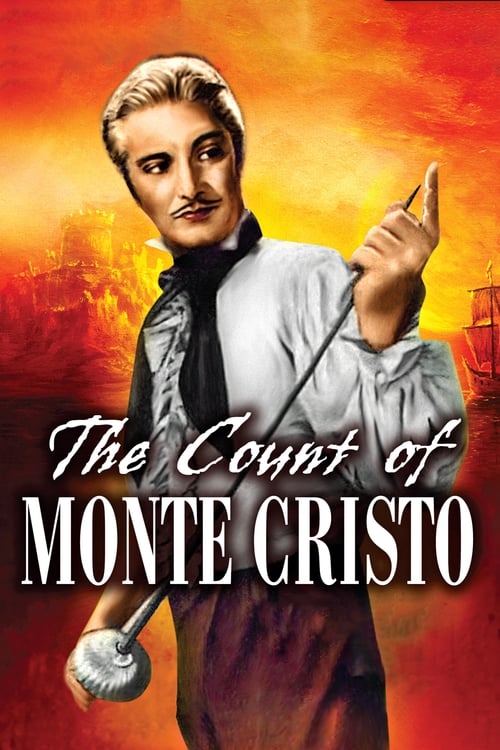
1942
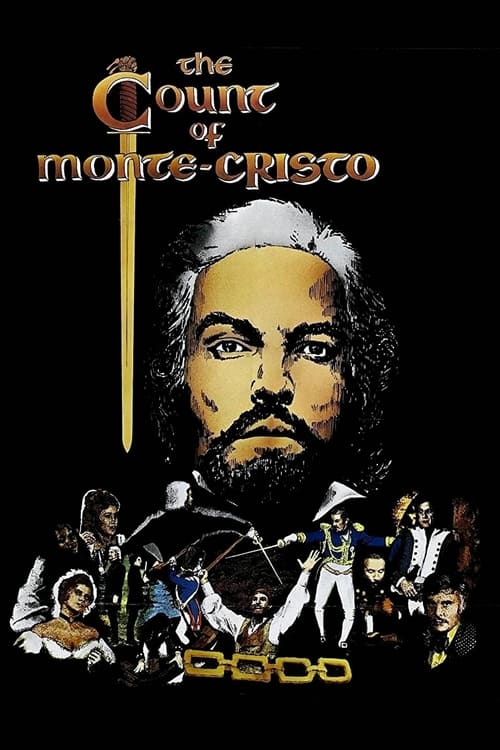
1975
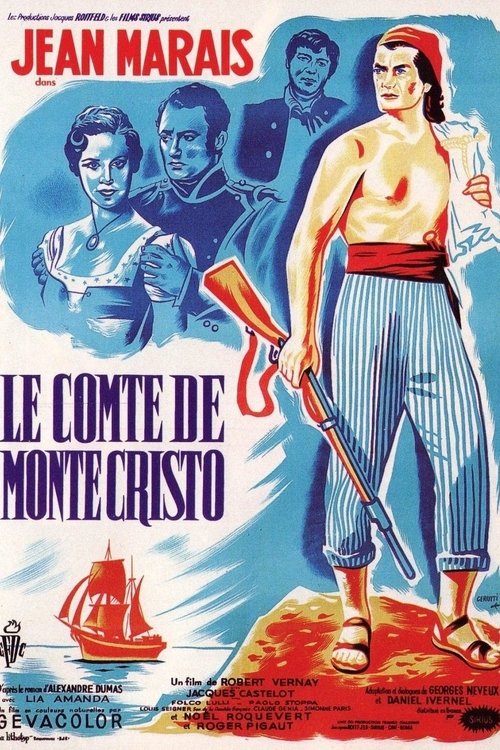
1954

1925

2024
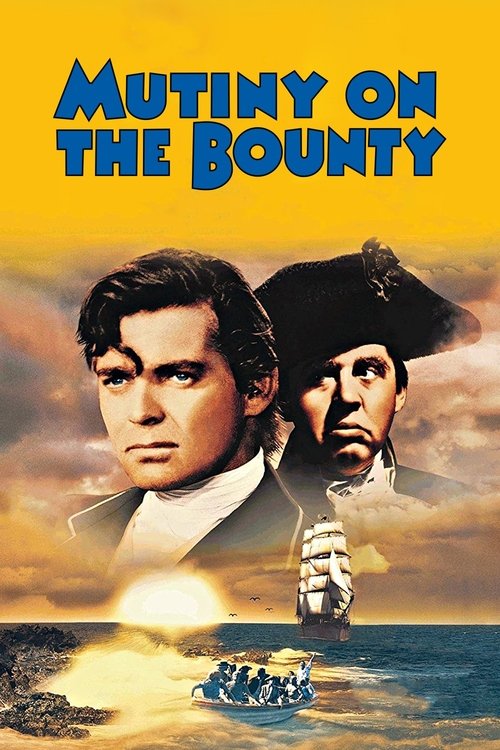
1935
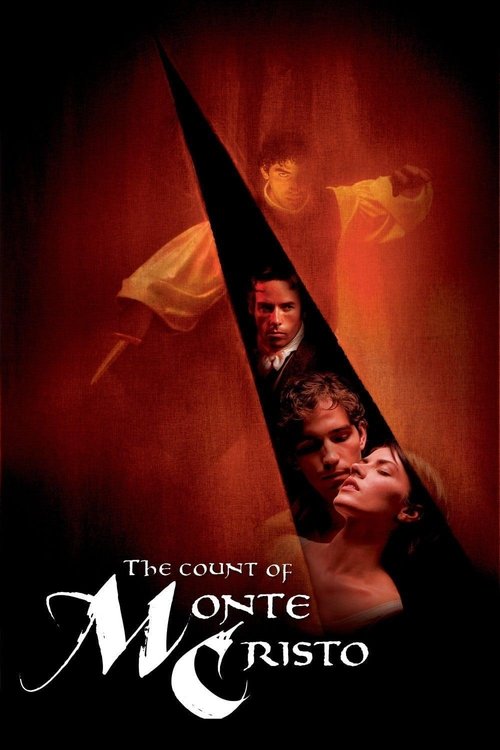
2002
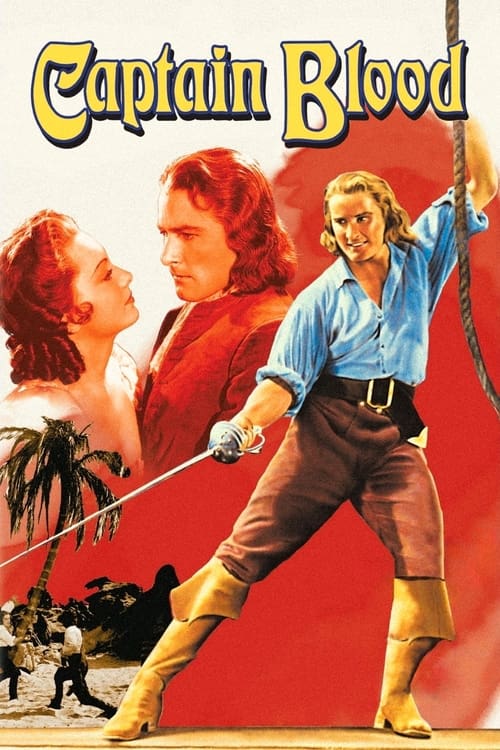
1935
No reviews yet. Be the first to share your thoughts on this movie!
Use the rating form above to leave a star rating and optional review.