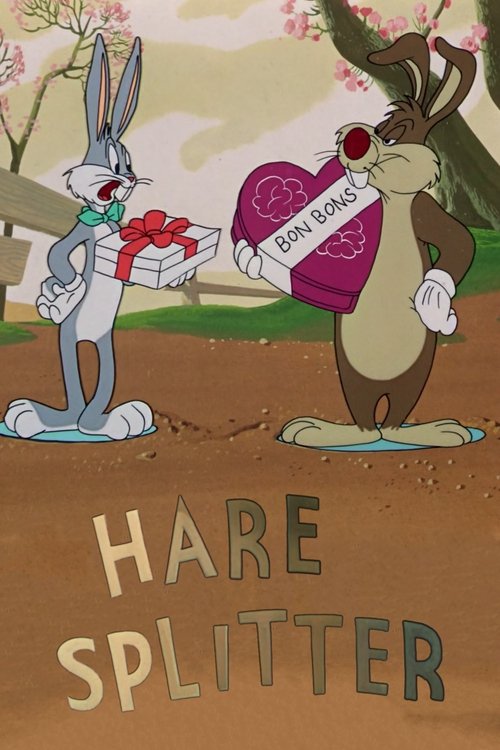
Hare Splitter
1948
No user ratings available yet
Diversity score: 1.4 out of 10
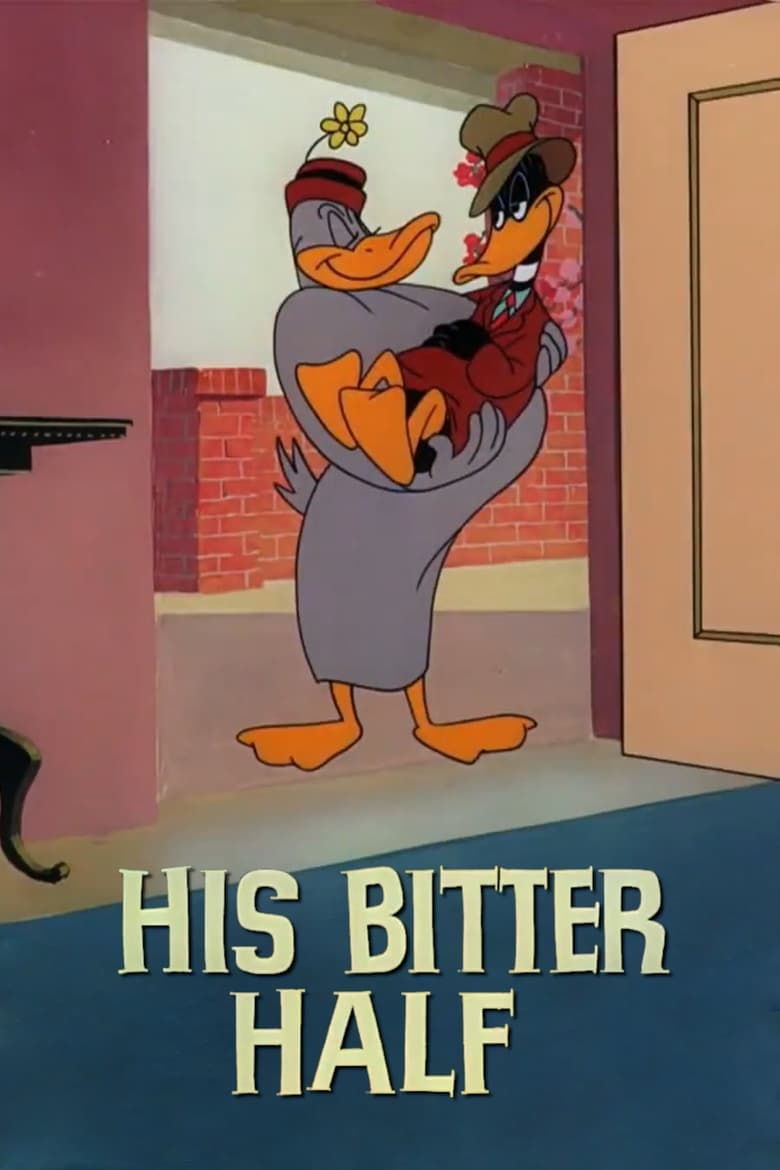
1950
Director
Friz Freleng
Runtime
8 minutes
Average Rating
No ratings yetSynopsis
Daffy Duck marries for money, but the bossy wife and her raucous, trouble-making little son soon have him wanting out.
Overall Score
Minimal
Category Breakdown
LGBTQ+ Representation
The film lacks any LGBTQ+ characters or explorations of non-heteronormative identities. The central conflict is rooted entirely in a traditional, heteronormative marital structure.
Gender Representation
The narrative relies on mid-century domestic tropes, utilizing a 'nagging wife' archetype. The male protagonist is positioned as a victim of domestic pressure, reinforcing traditional gendered friction.
Racial & Ethnic Diversity
As an anthropomorphic animation featuring canine characters, the film lacks human racial or ethnic representation. The setting is a homogeneous domestic environment.
Religious & Cultural Diversity
The film operates within standard 1950s Western domesticity and promotes a traditional nuclear family unit. It adheres to the social norms of its era.
Disability Representation
There are no visible or invisible disabilities portrayed. The characters are presented as able-bodied anthropomorphic animals without themes of neurodivergence or physical impairment.
Strengths
Areas for Improvement
AI Analysis
His Bitter Half functions as a standard domestic comedy that leans heavily into mid-century social archetypes. The humor is derived from traditional gendered friction rather than any attempt to subvert or expand social norms. The film lacks intersectional complexity, offering no representation of racial, ethnic, or LGBTQ+ identities. It presents a very narrow, homogeneous view of domestic life through its anthropomorphic canine characters. Ultimately, the work serves as a baseline example of traditionalist storytelling from the Golden Age of animation, reinforcing existing hierarchies rather than challenging them.
1948
1940
1953
1944
1948
1954
1955
1948
1950

1953
1950
1956
No reviews yet. Be the first to share your thoughts on this movie!
Use the rating form above to leave a star rating and optional review.