Bad Ol' Putty Tat
1949
No user ratings available yet
Representation score: 0.5 out of 10
Representation Score
Minimal
1953
ApprovedDirector
Friz Freleng
Runtime
7 minutes
Average Rating
No ratings yetNew Showbiz Analysis
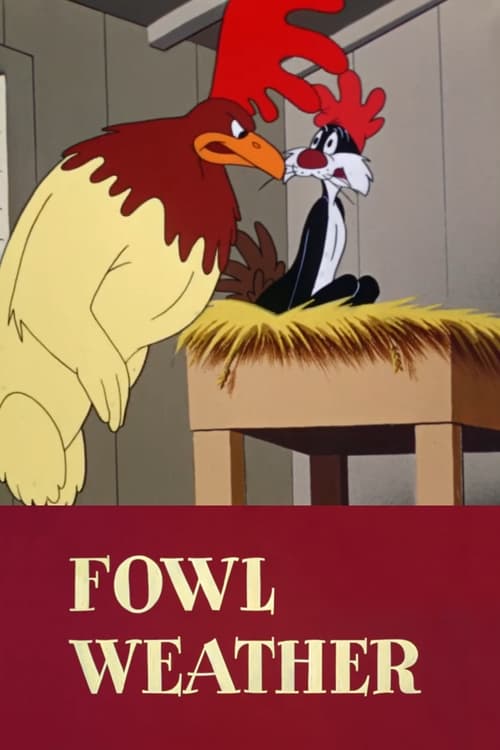
Fowl Weather is a classic example of its time, focusing on slapstick humor and established character types while avoiding social or identity-based themes. The film’s structure is designed for rhythmic comedy rather than challenging or breaking down social hierarchies. As an anthropomorphic cartoon from 1953, the work features animal characters in a rural setting without human representation. The setting reflects the standard clichés of mid-20th-century Western animation. Overall, the film is a traditional piece of media, reflecting the social norms and narrative conventions of 1950s American animation.
Category Breakdown
The film does not depict any non-binary gender identities or same-sex relationships. It follows traditional cartoon stereotypes that assume everyone is straight and cisgender.
Gender roles are traditional and reinforce existing hierarchies. Granny acts as a strong maternal figure, maintaining a stable home environment without challenging current norms.
The film lacks human racial or ethnic diversity. Characters are animal archetypes set in a homogeneous rural environment typical of Western animation.
The story upholds traditional Western values, emphasizing domestic stability and the sanctity of the household. It adheres to conventional moral standards.
No characters are shown with visible or invisible disabilities. Physical comedy is based on cartoon physics rather than representing neurodivergence or impairment.
Present on Screen
Limited or Absent
Official Synopsis
After Granny leaves a bulldog named Hector to guard Tweety while she's away from her farm, Sylvester manages to sneak in disguised as a scarecrow and soon gets more than he bargained for.
1949
1956
1948
1952
1958
1953
1952
1955
No reviews yet. Be the first to share your thoughts on this movie!
Use the rating form above to leave a star rating and optional review.