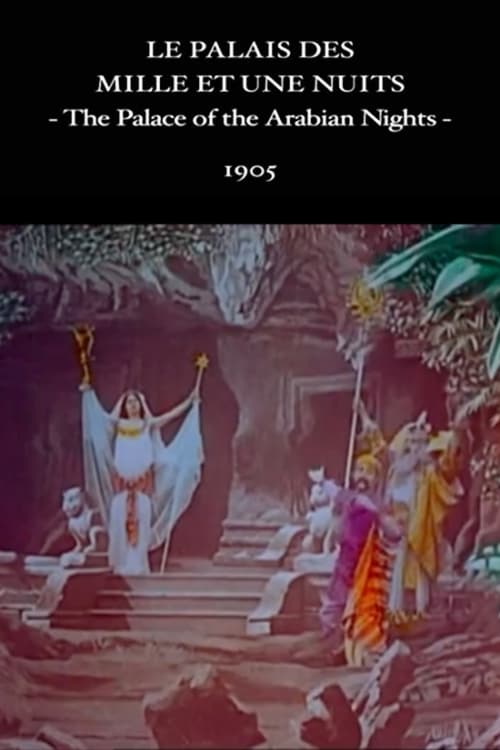
The Palace of the Arabian Nights
1905
No user ratings available yet
Diversity score: 2.8 out of 10
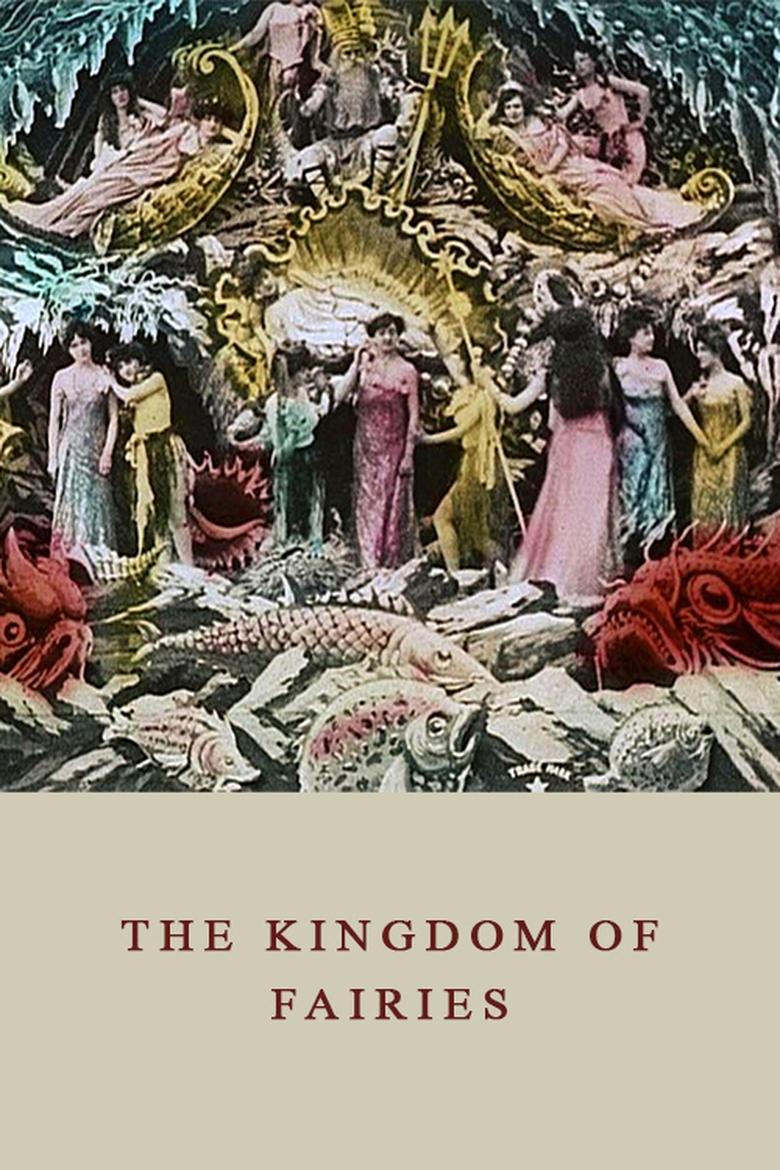
1903
Not RatedDirector
Georges Méliès
Runtime
17 minutes
Average Rating
No ratings yetSynopsis
At the royal court, a prince is presenting the princess whom he is pledged to marry when a witch suddenly appears. Though driven off, the witch soon returns, summons some of her servants, and carries off the princess. A rescue party is quickly organized, but the unfortunate captive has been taken to a strange, forbidding realm, from where it will be impossible to rescue her without some special help.
Overall Score
Minimal
Category Breakdown
LGBTQ+ Representation
The film follows a traditional heteronormative structure. It focuses on a prince and his pledged princess, offering no depictions of non-cisnormative identities or same-sex intimacy.
Gender Representation
Female characters primarily serve as decorative elements or captives. While they drive the visual enchantment, they lack agency and function within archetypes like the damsel in distress.
Racial & Ethnic Diversity
The production reflects the homogeneous casting typical of early European cinema. The cast portrays mythological figures within a strictly Western-centric fantasy framework.
Religious & Cultural Diversity
The narrative reinforces traditional Western folklore and monarchical structures. It celebrates classical European fairy tale motifs rather than engaging with diverse cultural perspectives.
Disability Representation
There are no visible or invisible disabilities depicted. Characters are presented as archetypal and physically capable within their magical realm.
Strengths
Areas for Improvement
AI Analysis
Georges Méliès' work is a seminal example of early cinematic illusionism, prioritizing visual spectacle and trick filmmaking over social discourse. The film functions as a historical artifact of Belle Époque theatrical traditions, focusing on magical transformations rather than character agency. From a modern perspective, the film is deeply traditional. It adheres to established period hierarchies and Western-centric aesthetics, offering little room for intersectional representation or the subversion of existing power dynamics. Ultimately, the film seeks to explore the boundaries of visual possibility. It prioritizes the 'spectacle of the impossible' over the representation of marginalized identities.
1905
1961

1959

1962
1962
1926

2001

1982

1896
1907

1896
1898
No reviews yet. Be the first to share your thoughts on this movie!
Use the rating form above to leave a star rating and optional review.