The Imperceptible Transmutations
1904
No user ratings available yet
Representation score: 0.6 out of 10
Representation Score
Minimal
1904
Not RatedDirector
Georges Méliès
Runtime
3 minutes
Average Rating
No ratings yetNew Showbiz Analysis
Georges Méliès' 1904 short is a technical marvel of early cinema, focusing on the magic of metamorphosis rather than deep character development. The film uses rapid-fire visual tricks to transform a single actor into various social archetypes, prioritizing spectacle over social substance. While the film presents a variety of personas, these roles serve as stylistic vignettes rather than meaningful explorations of identity. The diversity present is limited to broad, recognizable social types common to the era's theatrical traditions. Ultimately, the work reflects a period where cinema was defined by the disruption of visual continuity. It lacks the character-driven storytelling or characters who reflect more than one aspect of diversity found in modern storytelling.
Category Breakdown
The film does not depict any LGBTQ+ identities or themes related to non-straight relationships. Transformations focus solely on masculine characteristics and changes in facial hair.
The work centers entirely on a single male character. It lacks female characters and operates within a traditional masculine framework.
Representation relies on ethnic stereotypes, such as the English Cockney accent. These serve as cultural shorthand and social caricatures within a Eurocentric Parisian setting.
The film uses mythological figures like Mephistopheles for comedic spectacle. It prioritizes cinematic wonder over religious gravity or institutional critique.
There are no characters with visible or invisible disabilities. The focus remains on the seamless execution of visual illusions.
Present on Screen
Limited or Absent
Official Synopsis
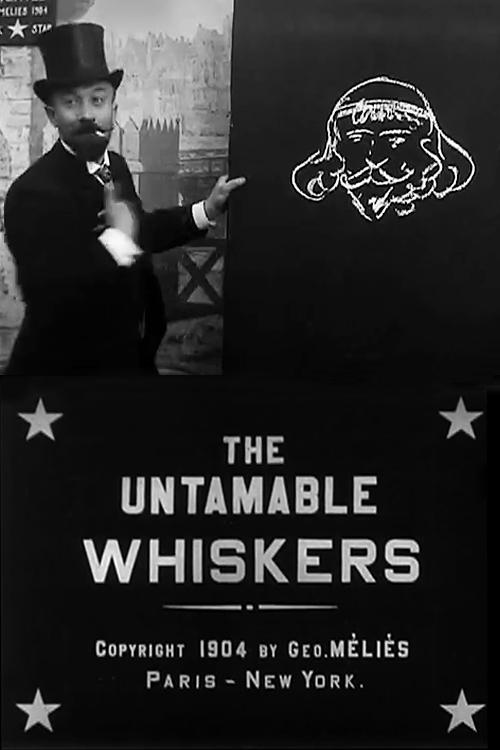
The background of this picture represents a scene along the beautiful river Seine in Paris. A gentleman enters, and taking a blackboard from the side of the picture, he draws on it a sketch of a novelist. Then, standing in the centre, he causes the living features of his sketch to appear in the place of his own, which is utterly devoid of whiskers. The change is made so mysteriously that the eye cannot notice it until one sees quite another person in the place of the first. Again another sketch is shown on the board, this one being that of a miser; then an English cockney; a comic character; a French policeman, and last of all, the grinning visage of Mephistopheles. It is almost impossible to give this film a more definite description; suffice it to say that it is something entirely new in motion pictures and is sure to please. (Méliès Catalog)
1904

1901
1906
1901
1906
1905
1900
1905
No reviews yet. Be the first to share your thoughts on this movie!
Use the rating form above to leave a star rating and optional review.