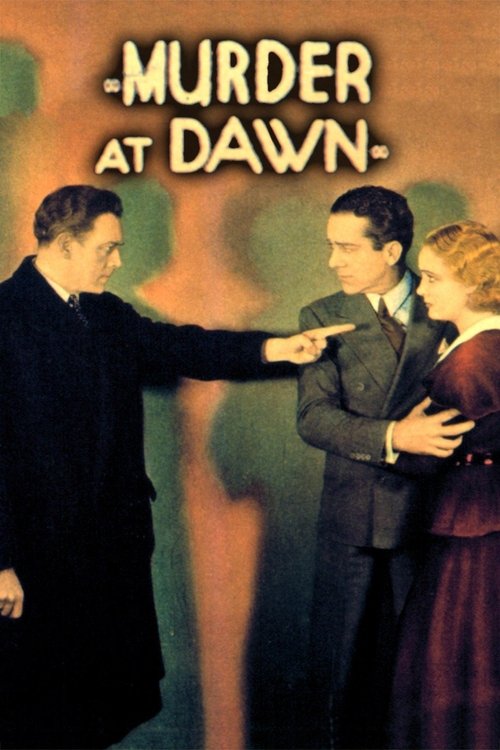
Murder at Dawn
1932
No user ratings available yet
Representation score: 3.0 out of 10
Representation Score
Minimal
1935
NRDirector
John H. Auer
Runtime
59 minutes
Average Rating
No ratings yetNew Showbiz Analysis
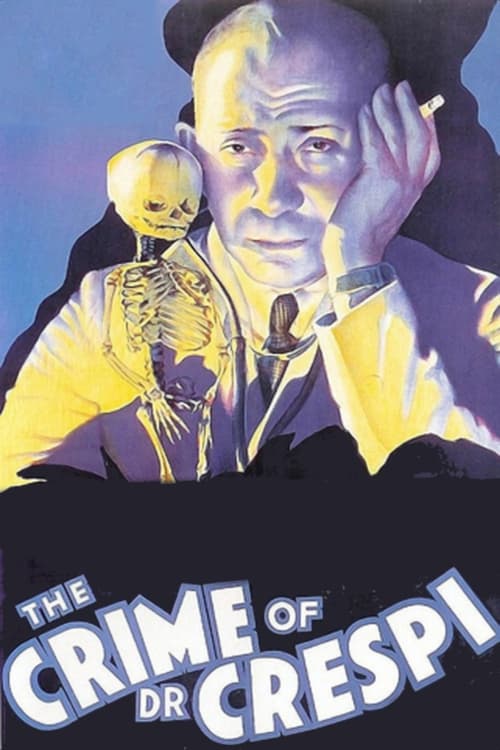
The Crime of Doctor Crespi is a quintessential 1930s genre piece that prioritizes horror and mystery clichés over social complexity. The film operates within the rigid studio system constraints of its era, resulting in a narrative that lacks depth and fails to challenge established social hierarchies. Representation is minimal across all categories. The film relies on conventional gender roles and a homogeneous cast, reflecting the era's lack of racial and ethnic diversity. It functions as a standard morality tale centered on individual criminality. Ultimately, the film uses disability and mental states as plot devices for suspense rather than exploring them with ability to act. It remains a product of its time, adhering to the established social and narrative norms of early Hollywood.
Category Breakdown
The film follows the traditional social structures of 1935, assuming everyone is straight and cisgender. There are no narratives or identities that question these norms.
The story likely centers around male characters or authority figures typical of the era. There is no evidence of women taking a leading role or challenging traditional hierarchies.
The cast appears uniform, reflecting the lack of ethnic diversity common in early Hollywood. There are no characters of color with significant influence or ability to act.
The story functions as a standard morality-based mystery within a Western framework. It focuses on individual criminality rather than critiquing systemic religious institutions.
The plot uses a serum-induced catatonic state as a suspense device. This suggests a reliance on impairment as a narrative tool rather than a nuanced portrayal of disability.
Present on Screen
Limited or Absent
Official Synopsis
A crazed scientist invents a serum that induces a catatonic state in anyone who gets the injection. He uses the serum to paralyze his enemies, in order to bury them alive.
1932
1940

1929

1932
1945

1933
1940
1935
No reviews yet. Be the first to share your thoughts on this movie!
Use the rating form above to leave a star rating and optional review.