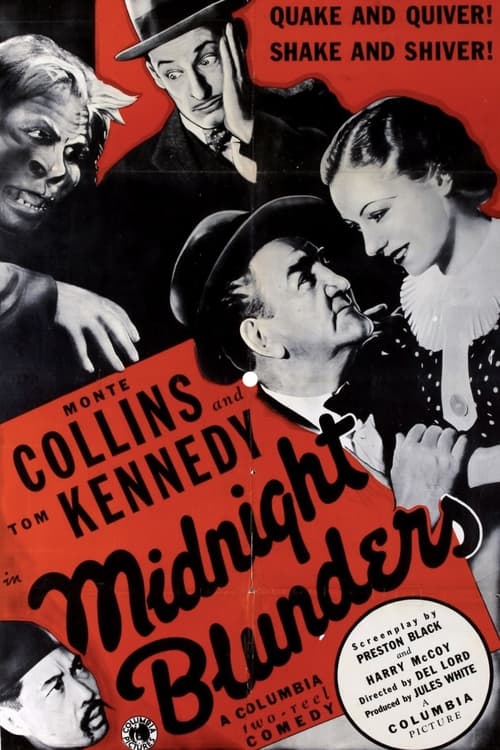
Midnight Blunders
1936
No user ratings available yet
Representation score: 1.7 out of 10
Representation Score
Limited
1936
NRDirector
Robert F. Hill
Runtime
281 minutes
Average Rating
No ratings yetNew Showbiz Analysis
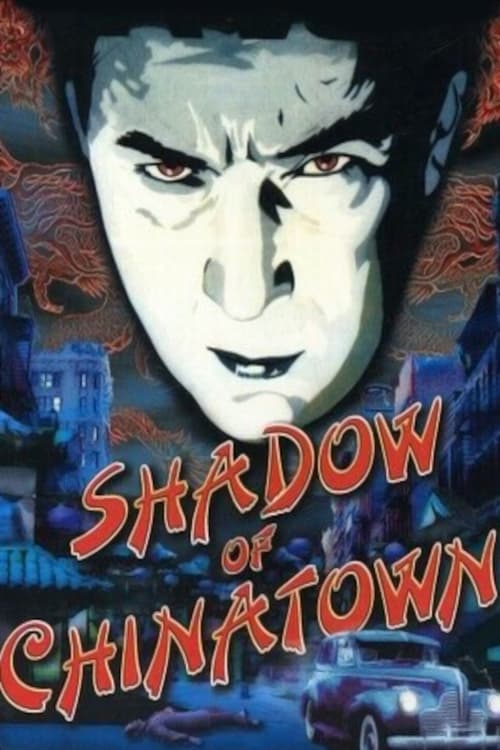
Shadow of Chinatown is a product of its era, adhering to the rigid social hierarchies and formulaic structures of 1930s B-movie genre cinema. The film's narrative architecture reinforces the conventional moral and social norms of the period rather than disrupting them. The film relies on reductive clichés, particularly in its use of a specific ethnic enclave as a setting for horror and crime. It lacks complexity in representing diverse identities, focusing instead on a madman's vendetta against merchants. Ultimately, the production reflects a standard cinematic landscape where underrepresented identities are either absent or used as simplified plot devices to drive conflict.
Category Breakdown
The film does not include any characters with LGBTQ identities. This reflects the strict censorship and social norms of 1930s cinema, which rarely allowed for queer subtext or significant roles.
Female characters appear to play passive roles, such as victims or supporting figures. There is no indication of female intellect or challenging traditional gender hierarchies.
The Chinatown setting likely serves as an exoticized backdrop for crime. The film appears to rely on period-typical clichés and the 'othering' of ethnic enclaves rather than providing character's ability to drive the story.
The narrative focuses on individual criminality rather than systemic critique. It reinforces traditional moral binaries and Western-centric social orders common to the mid-1930s.
Mental instability is used as a plot device to establish villainy. This approach uses neurodivergence as shorthand for menace rather than portraying characters with nuance.
Present on Screen
Limited or Absent
Official Synopsis
A madman sets out to destroy a group of Chinatown merchants.
1936
1940
1936

1932
1932
1920

1936
1953
No reviews yet. Be the first to share your thoughts on this movie!
Use the rating form above to leave a star rating and optional review.