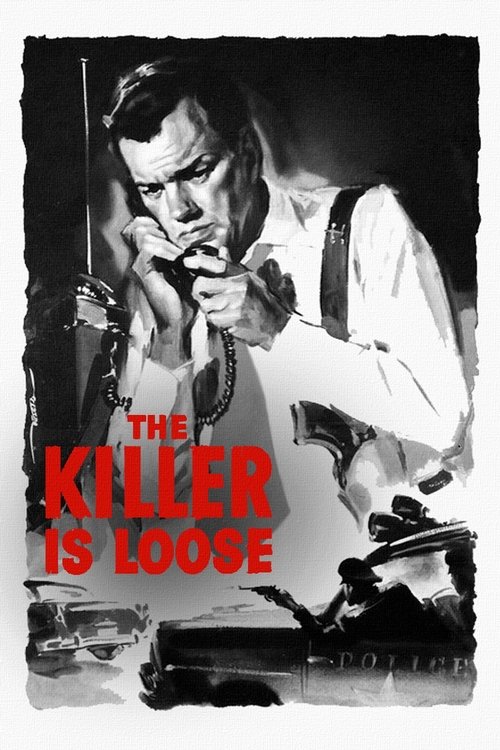
The Killer Is Loose
1956
No user ratings available yet
Representation score: 0.4 out of 10
Representation Score
Minimal
1954
NRDirector
Mark Stevens
Runtime
82 minutes
Average Rating
No ratings yetNew Showbiz Analysis
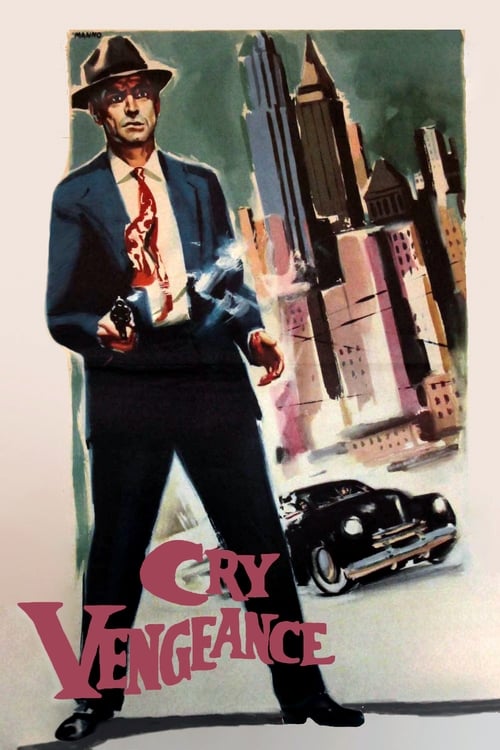
Cry Vengeance is a classic mid-century crime noir that centers on a male protagonist's journey of revenge. The film sticks closely to the genre clichés of its era, emphasizing individual vengeance over social critique. The story relies on traditional hierarchies, particularly regarding gender and race. Women are relegated to symbolic roles, and the cast lacks diversity, mirroring the demographic standards of 1954 cinema. Overall, the film does not challenge the social norms of its time. It functions as a typical genre piece centered on a conventional masculine archetype.
Category Breakdown
There are no visible LGBTQ+ characters or non-straight relationships in the film. The story stays within traditional 1950s domestic and romantic frameworks.
Women in the film mainly serve as catalysts for the plot rather than active participants. Their roles are limited to being victims whose deaths drive the male protagonist's revenge storyline.
The film features a predominantly white cast, reflecting the demographics of its time. Characters of color have minimal roles and do not hold a significant role in driving the story.
The story focuses on personal vigilante justice rather than critiquing institutions. Traditional views of justice and retribution dominate the narrative.
There are no prominent depictions of physical or neurodivergent disabilities. The protagonist's scars symbolize his trauma but do not explore lived experiences.
Present on Screen
Limited or Absent
Official Synopsis
Ex-cop Vic Barron crossed the wrong mobsters; his wife and child were killed and he was scarred, framed, and imprisoned. On release, Vic has but one desire, revenge on still-hiding Tino Morelli.
1956
1947
1950

1948

1961
1972

1947

1966
No reviews yet. Be the first to share your thoughts on this movie!
Use the rating form above to leave a star rating and optional review.