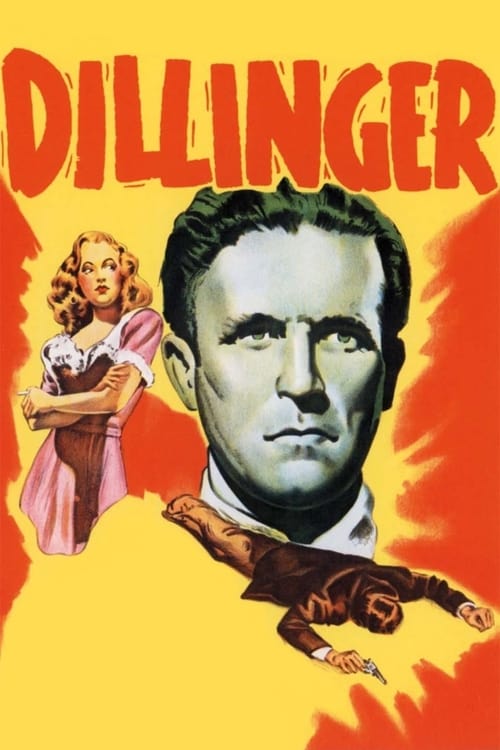
Dillinger
1945
No user ratings available yet
Representation score: 0.9 out of 10
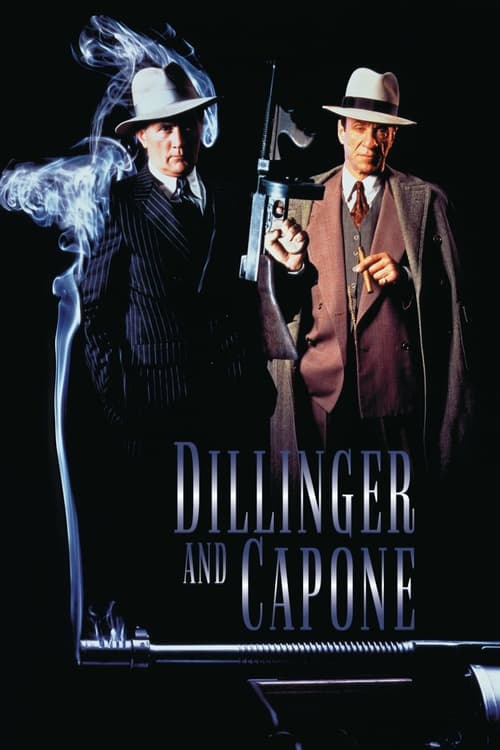
Representation Score
Limited
1995
RDirector
Jon Purdy
Runtime
95 minutes
Average Rating
No ratings yetNew Showbiz Analysis
Dillinger and Capone operates as a conventional 1990s crime thriller, prioritizing masculine-driven plot mechanics and historical gangster clichés. The story relies on established power structures of the 1930s, limiting the scope of its social representation. While the film attempts to revise history by challenging the official narrative around John Dillinger's death, this effort is confined to the conflict between criminals and the state. It does not extend to a broader critique of social or cultural hierarchies. Ultimately, the film lacks intentionality regarding diverse representation, operating within the standard narrative constraints of its genre and era.
Category Breakdown
The film does not include any LGBTQ+ characters or stories about non-cisgender identities. The narrative focuses on traditional crime themes and typical family structures.
The story emphasizes male-dominated power struggles between mobsters and federal agents. Women are mainly portrayed as passive motivators for the male protagonist rather than independent actors.
The setting and historical context suggest a focus on Anglo-American and Italian-American power structures. The film adheres to the historical homogeneity of the era.
The film uses historical revisionism to challenge official federal narratives. However, it focuses on outlaw clichés rather than a broader critique of cultural institutions.
There are no characters with visible or invisible disabilities in the narrative.
Present on Screen
Limited or Absent
Official Synopsis
In 1934, J. Edgar Hoover and the boys made headlines for mowing down John Dillinger in a hail of bullets outside Chicago's Biograph theater. But in fact, according to this Jon Purdy gangster thriller, the Feds iced Dillinger's brother. Fast-forward five years, when mobster kingpin Al Capone gives the real Dillinger an offer he can't refuse: rob millions from a secluded vault or watch his wife and child get whacked.
1945
1973
1992

1989

2008

1972
1999

1967
No reviews yet. Be the first to share your thoughts on this movie!
Use the rating form above to leave a star rating and optional review.