Baki Hanma VS Kengan Ashura
2024
No user ratings available yet
Diversity score: 2.2 out of 10
2007
Director
Toshiki Hirano
Runtime
95 minutes
Average Rating
No ratings yetSynopsis
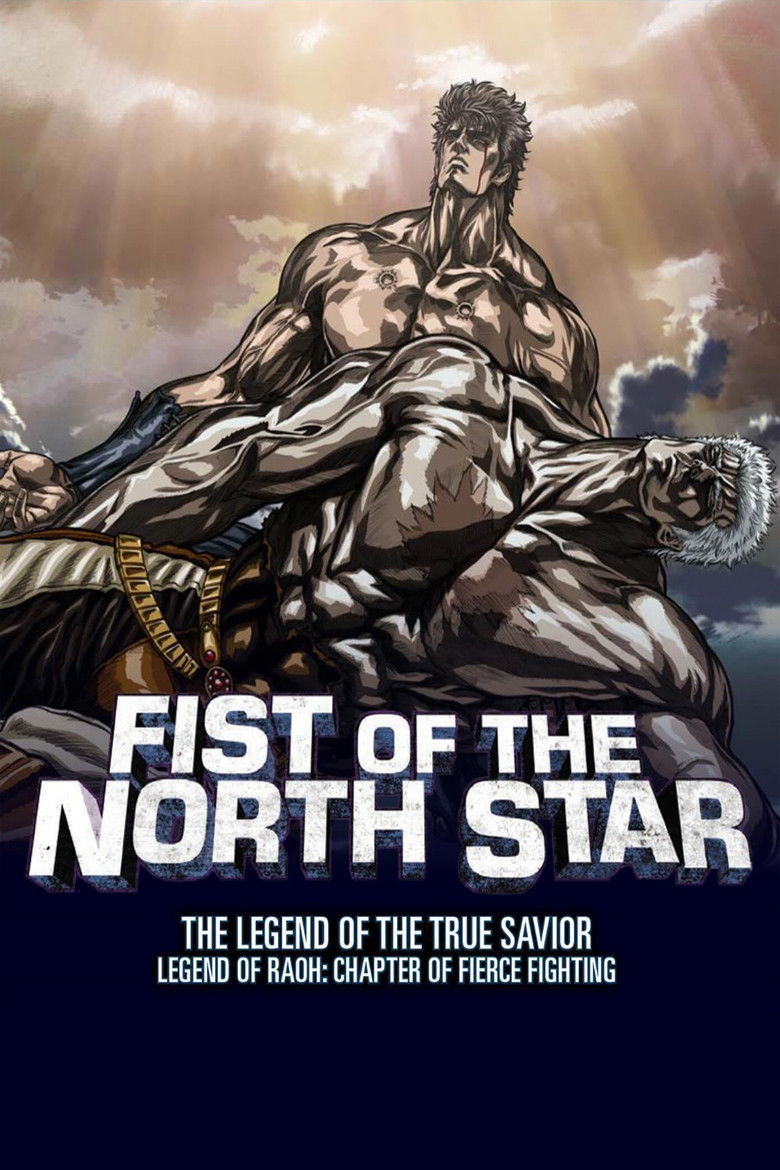
A film adaptation of the Last Nanto General story arc from the manga, depicting the final battle between Kenshiro and Raoh that led to Kenshiro becoming the successor of Hokuto Shinken. Some events from the manga / anime have been excluded from the story (such as Raoh's fight with Juza) whereas others have been altered or expanded. New content featuring the final battle from Raoh's perspective have been added. This film serves as the follow-up to the first film in the series, which introduced Raoh and Reina's relationship, this time bringing it to a conclusion.
Overall Score
Limited
Category Breakdown
LGBTQ+ Representation
The film focuses on a traditional masculine struggle for supremacy. There is no evidence of non-cisnormative identities or same-sex intimacy within the narrative.
Gender Representation
The story is heavily male-centric, prioritizing the physical prowess of male protagonists. Female characters like Reina serve as emotional catalysts rather than independent agents.
Racial & Ethnic Diversity
Stylized anime designs transcend specific real-world ethnic markers in this post-apocalyptic setting. However, the film lacks intentional intersectional casting or diverse identity blending.
Religious & Cultural Diversity
Justice is framed through personal power and martial supremacy rather than systemic critique. The narrative focuses on the vacuum left by civilization's collapse.
Disability Representation
Characters are defined by peak physical capabilities. There is no representation of neurodivergence, physical disabilities, or chronic illness.
Strengths
Areas for Improvement
AI Analysis
The film is a hyper-masculine martial arts epic that prioritizes mythic archetypes over progressive representation. Its narrative architecture reinforces conventional hierarchies of power and gender through a 'might makes right' philosophy. While the setting offers a unique post-apocalyptic landscape, the character dynamics remain rooted in traditional roles. Female characters provide emotional stakes but lack the agency to drive the plot independently. Ultimately, the work functions as archetype-driven action cinema. It lacks intentionality regarding intersectional identities, focusing instead on the individual struggle for dominance in a lawless world.
No reviews yet. Be the first to share your thoughts on this movie!
Use the rating form above to leave a star rating and optional review.