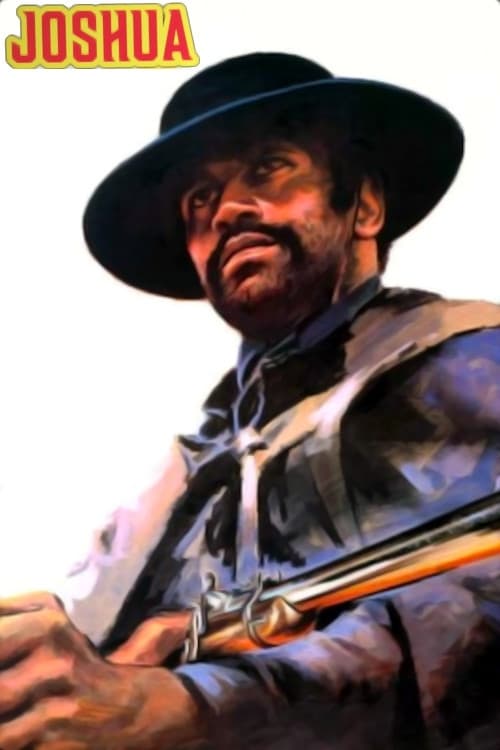
Joshua
1976
No user ratings available yet
Representation score: 3.0 out of 10
Representation Score
Fair
1973
RDirector
Larry G. Spangler
Runtime
110 minutes
Average Rating
No ratings yetNew Showbiz Analysis
The film stands out for its racial ability to act, centering a Black protagonist in a Western setting to challenge historical power dynamics. By positioning the lead against those seeking to reignite the Confederacy, the story actively disrupts traditional genre expectations. However, the film remains heavily focused on male-dominated action, lacking visible women's ability to drive the story and any evidence of LGBTQ+ representation.
Category Breakdown
The film does not include any explicit mentions of LGBTQ+ characters or narratives. The post-Civil War setting implies a traditional genre framework without queer themes.
The narrative focuses on male-driven action and adventure. There is no indication of female characters having high ability to act or challenging traditional gender hierarchies.
A Black protagonist leads the story, actively resisting Confederate power. This disrupts conventional Western clichés by giving a significant role in driving the story to a character of color.
The premise critiques Southern institutional structures and Confederate ideology. It portrays a struggle against oppressive systemic frameworks and traditionalist hierarchies.
There is no information regarding the inclusion or portrayal of characters with physical or neurodivergent disabilities.
Present on Screen
Limited or Absent
Official Synopsis
After the end of the Civil War, Charley fights against a group of Southern soldiers seeking to reignite the Confederacy.
1976
1969
1971
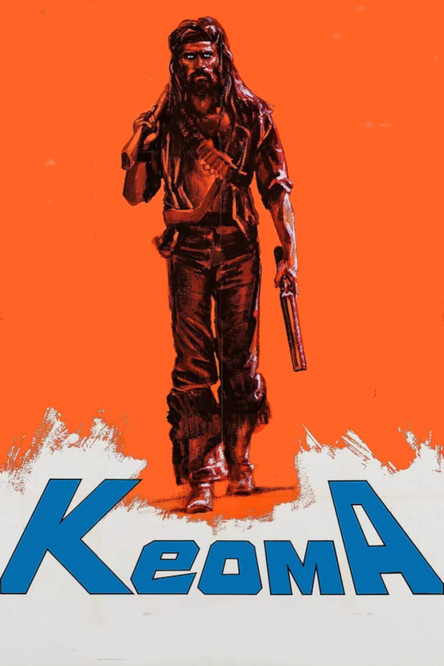
1976
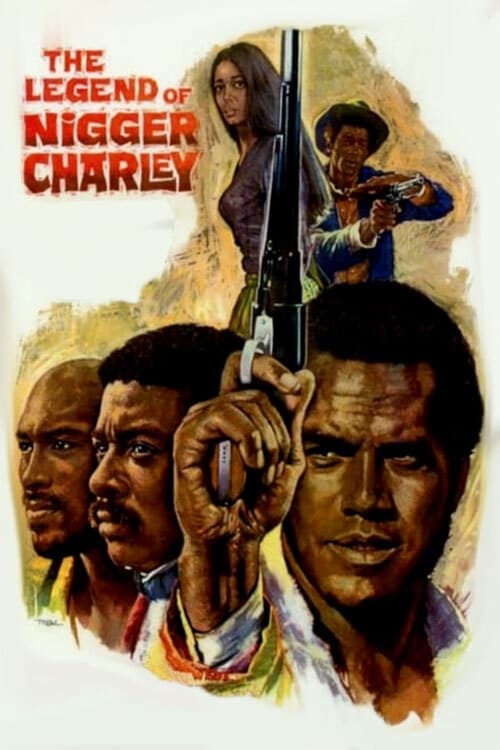
1972
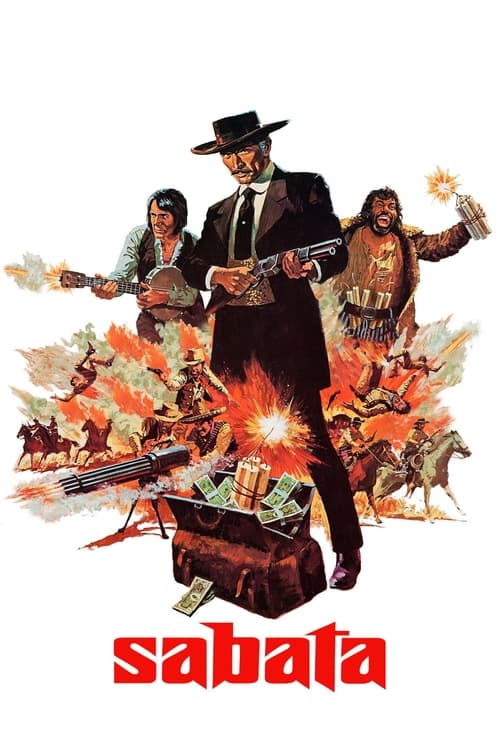
1969
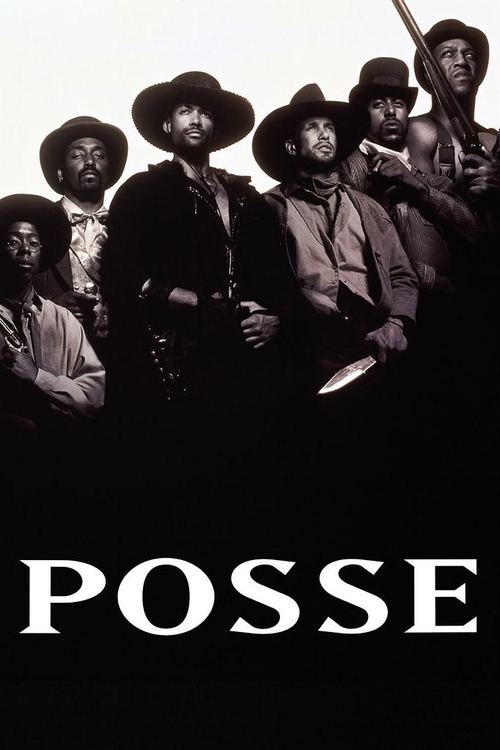
1993
1970
No reviews yet. Be the first to share your thoughts on this movie!
Use the rating form above to leave a star rating and optional review.