
Buck and the Preacher
1972
No user ratings available yet
Representation score: 4.4 out of 10
Representation Score
Limited
1972
PGDirector
Martin G. Goldman
Runtime
98 minutes
Average Rating
No ratings yetNew Showbiz Analysis
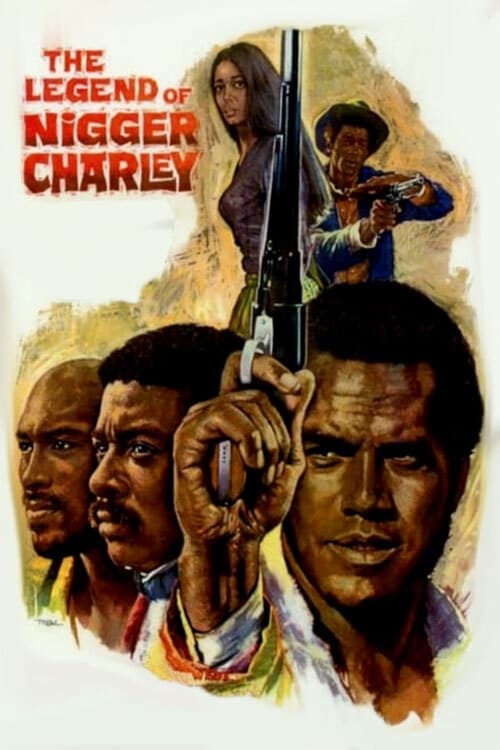
The Legend of Nigger Charley (1972) offers a significant shift from traditional Western narratives by featuring a predominantly non-white cast. By focusing on runaway slaves evading authorities, the film places the spotlight on characters of color engaged in resistance against systemic oppression. However, the film remains confined by the conventions of its era. The narrative structure emphasizes masculine action and survival, lacking in-depth exploration of complex female roles or diverse identities. The absence of LGBTQ+ representation or characters with disabilities limits its progressive impact. Ultimately, while the film critiques Old West authority and racial hierarchies effectively, it is still bound by the limitations of its time, particularly in terms of diverse identity representation.
Category Breakdown
The film does not include any representation of LGBTQ+ identities or same-sex relationships. It adheres to the traditional genre norms of 1972 Western cinema.
The story focuses on a trio of runaway slaves, emphasizing masculine survival. Female characters have limited roles and do not challenge traditional gender norms.
The film features a predominantly non-white cast, shifting the focus from Anglo-Saxon figures to characters of color actively resisting oppression.
The story presents the protagonists as fugitives, challenging traditional law and order. State authority is portrayed as the antagonist.
There is no evidence of characters with physical or neurodivergent disabilities in the film.
Present on Screen
Limited or Absent
Official Synopsis
A trio of runaway slaves evade authorities in the Old West.
1972
1973

1975
1983
1969
1971
1974
1967
No reviews yet. Be the first to share your thoughts on this movie!
Use the rating form above to leave a star rating and optional review.