The Gunfighters
1987
No user ratings available yet
Diversity score: 3.0 out of 10
1971
GPDirector
Larry G. Spangler
Runtime
90 minutes
Average Rating
No ratings yetSynopsis
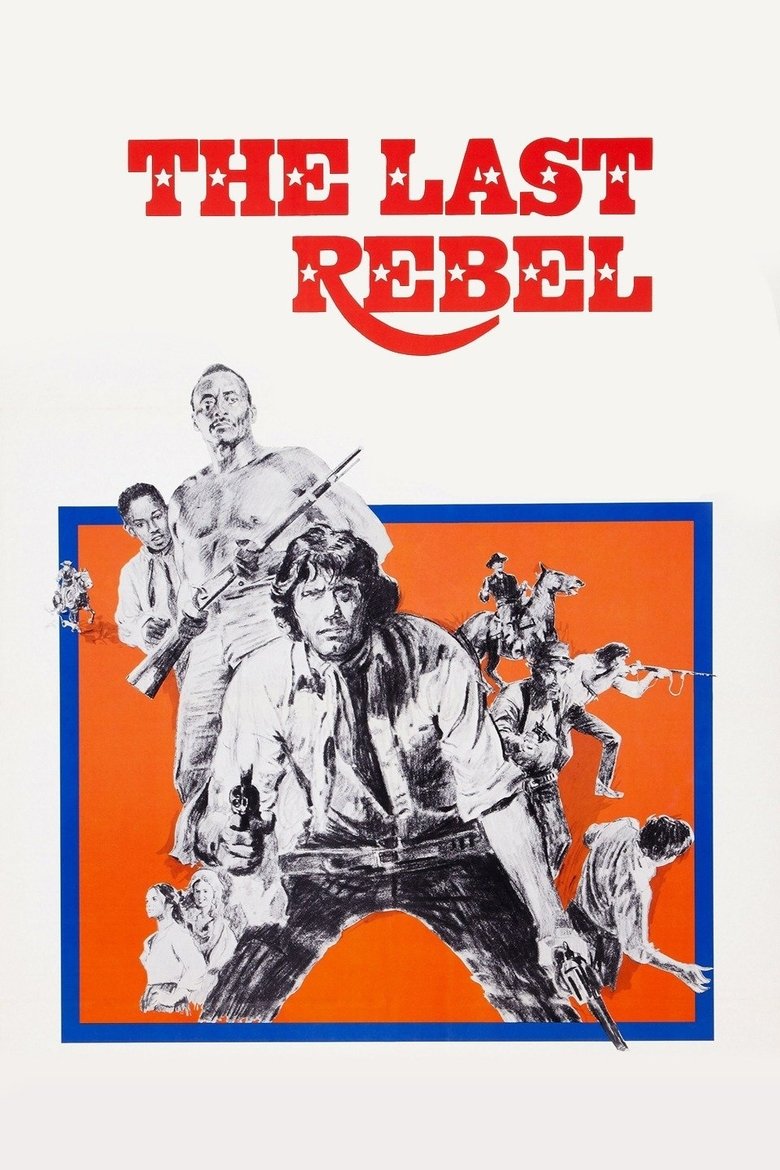
Set in 1865 in southwest Missouri, at the close of the Civil War the film follows the adventures of two Confederate men and a black man who they rescue from a lynching.
Overall Score
Limited
Category Breakdown
LGBTQ+ Representation
The film contains no evidence of non-cisnormative identities. There are no narratives addressing heteronormativity within the provided context.
Gender Representation
The story centers on male-driven action and traditional frontier dynamics. It prioritizes masculine agency, which likely marginalizes female perspectives in this historical setting.
Racial & Ethnic Diversity
A Black character is central to the survival narrative, disrupting typical Western tropes. The rescue from a lynching challenges expected racial power dynamics of 1865 Missouri.
Religious & Cultural Diversity
The setting engages with the collapse of Southern institutions following the Civil War. It explores the friction between established social orders and individual agency.
Disability Representation
There is no documented evidence of characters navigating physical, sensory, or neurodivergent experiences.
Strengths
Areas for Improvement
AI Analysis
The Last Rebel operates as a transitional narrative within the Western genre. By centering a Black character in a high-stakes rescue mission, the film breaks from the homogeneous tropes typical of the era's cinema. This inclusion provides a necessary pivot in racial power dynamics. However, the film remains tethered to conventional storytelling boundaries. The heavy focus on Confederate men and masculine agency suggests a traditionalist framework that lacks significant gender diversity. The narrative appears to prioritize historical drama over a progressive reconstruction of social hierarchies. Ultimately, while the film introduces meaningful racial tension through its central inciting incident, it lacks the breadth of representation required for a higher score. It functions more as a period piece than a subversive exploration of intersectional identities.
1987

1970
1987
1997
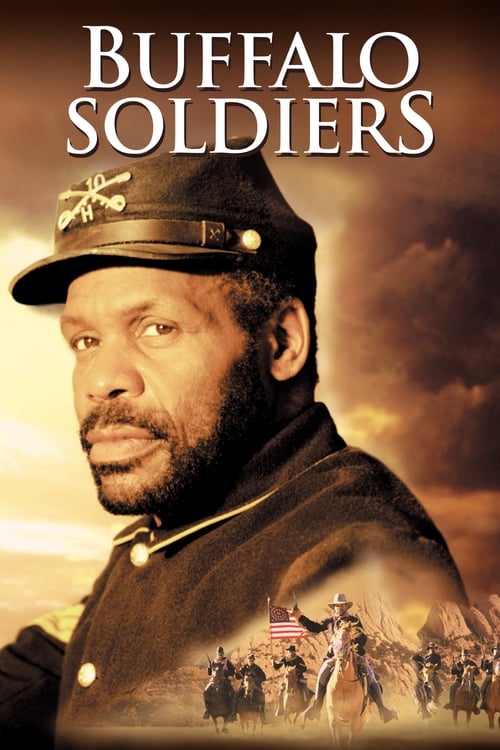
1997
No reviews yet. Be the first to share your thoughts on this movie!
Use the rating form above to leave a star rating and optional review.