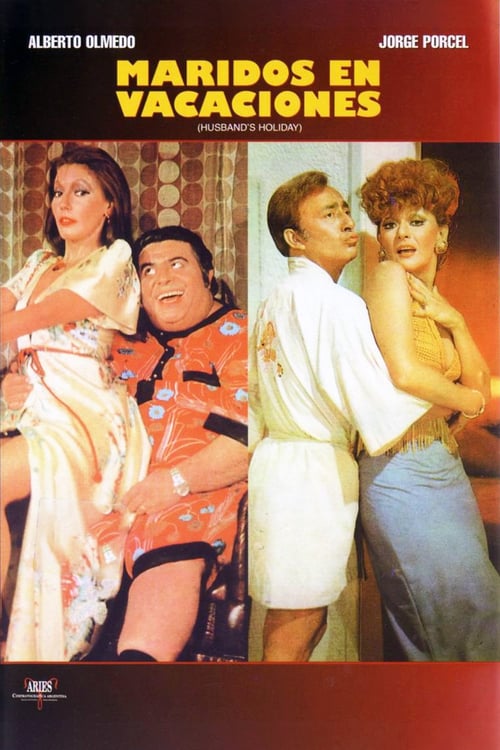
Maridos en vacaciones
1975
No user ratings available yet
Representation score: 1.7 out of 10
Representation Score
Limited
1976
Director
Enrique Cahen Salaberry
Runtime
84 minutes
Average Rating
No ratings yetNew Showbiz Analysis
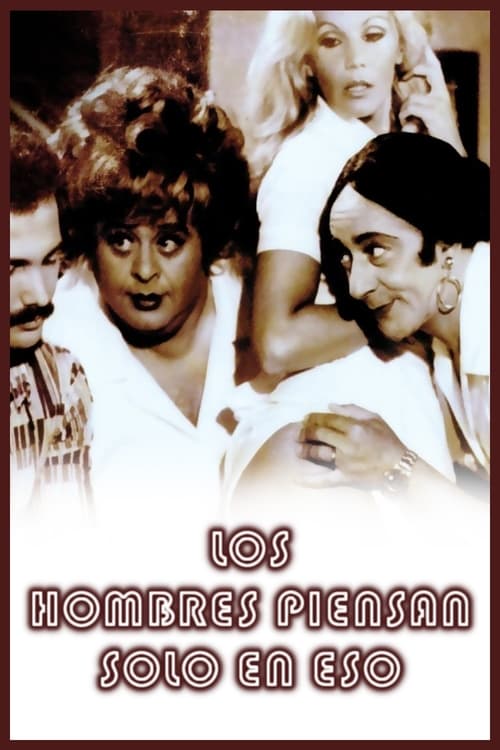
Los hombres sólo piensan en eso is a traditional 1970s commercial comedy that relies heavily on established social norms. The plot is driven by male characters navigating trouble through deception and disguise. The film does not engage with diverse representations of gender and sexuality, focusing instead on conventional gender roles and heterosexual romantic structures. While it provides regional Latin American movement, it does not challenge traditional casting or cultural norms. Overall, the film serves as a period-specific entertainment piece without challenging traditional social norms or exploring diverse identities.
Category Breakdown
The film centers on heterosexual romance between the main characters and a female lead. It sticks to traditional romantic storylines without delving into diverse gender identities.
The male characters drive the plot through deception and movement. The female lead's role is mainly defined by her beauty and her relationships with the men.
The story includes an Argentine-Venezuelan connection, suggesting regional movement. However, it does not feature a cast that breaks traditional casting norms.
The narrative follows a conventional comedic structure involving crime and travel. It operates within the social norms of 1970s commercial comedy.
There is no information about the portrayal of physical, neurodivergent, or mental health conditions in this film.
Present on Screen
Limited or Absent
Official Synopsis
Alberto and Jorge are two typical "chantas", who are dedicated to deceiving people along with another friend, nicknamed "Palomita". One day "Palomita" is awarded a prize consisting of dollars and two tickets to Caracas, but it turns out that this decomposes and dies. His last wish communicated to his friends Alberto and Jorge is that they take care of his sister. Upon meeting her, she turns out to be a very beautiful girl, with whom they both get involved. Then together with her they get into trouble with a group of criminals and must leave the country, taking a flight to Caracas, where they arrive posing as an Argentine vedette and her two representatives.
1975

1976

1977

2004
1962
1959
1970

2017
No reviews yet. Be the first to share your thoughts on this movie!
Use the rating form above to leave a star rating and optional review.