
The Battle of the Sexes
1960
No user ratings available yet
Diversity score: 2.6 out of 10
1953
Director
Charles Crichton
Runtime
84 minutes
Average Rating
No ratings yetSynopsis
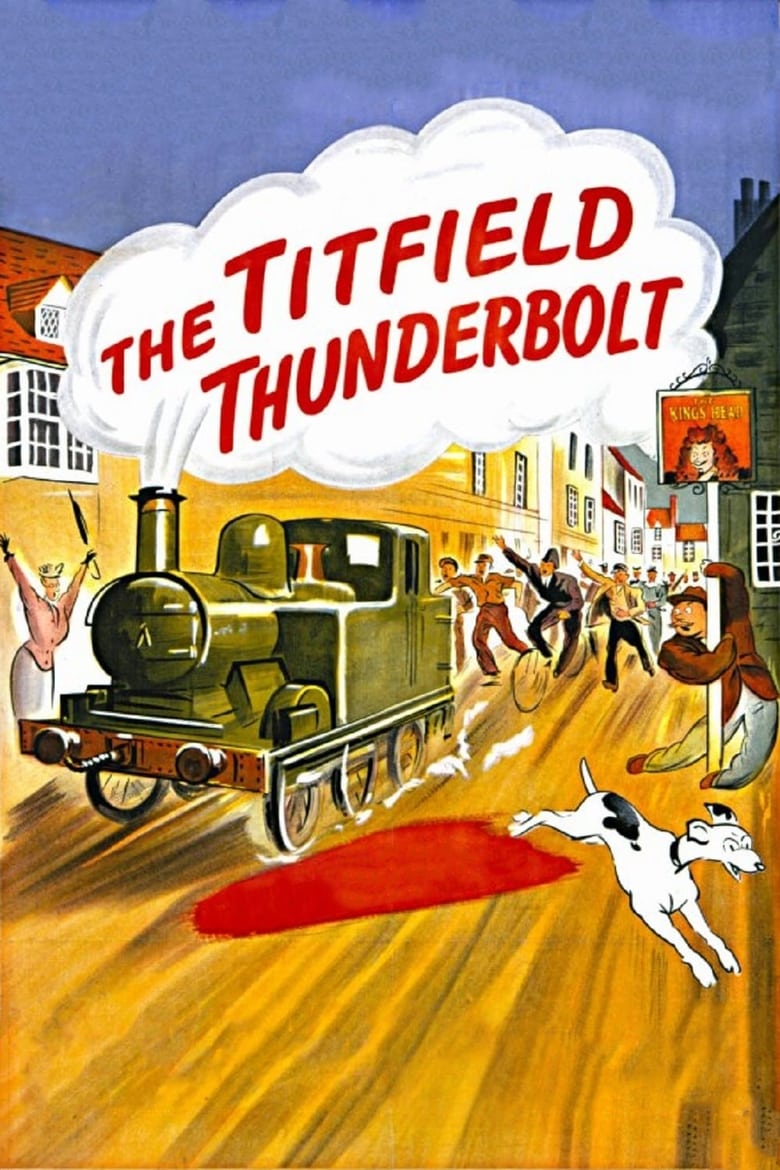
When British Railways announce the closure of the Titfield to Mallingford branch line a group of local residents make a bid to run it themselves, backed by a monied member of the community who is attracted by the complete lack of licensing hours on trains. Unfortunately the local bus company starts to use methods that can hardly be seen as fair competition.
Overall Score
Limited
Category Breakdown
LGBTQ+ Representation
The film operates within a strictly heteronormative framework. There are no depictions of queer identities or same-sex intimacy, reflecting the social constraints of 1950s British cinema.
Gender Representation
Technical leadership is predominantly male-driven, following mid-century hierarchies. However, female characters like Margaret Rutherford act as vital organizational pillars and essential stakeholders in the community's struggle.
Racial & Ethnic Diversity
The cast is highly homogeneous, focusing exclusively on a white British community. There is no evidence of racial diversity or the inclusion of non-Anglo-Saxon characters.
Religious & Cultural Diversity
The story celebrates localism and community autonomy against centralized state bureaucracy. It prioritizes grassroots communal effort over the perceived infallibility of detached, state-mandated modernization.
Disability Representation
The ensemble consists of standard able-bodied characters. There is no discernible representation of physical, sensory, or neurodivergent disabilities within the narrative.
Strengths
Areas for Improvement
AI Analysis
The film is a period-specific comedy that adheres closely to the demographic and social norms of 1950s England. It lacks intersectional representation, offering no visibility for LGBTQ+ individuals, diverse racial groups, or people with disabilities. While demographically conservative, the film provides cultural value by exploring the tension between local agency and centralized state power. It champions community cohesion against bureaucratic institutions. Ultimately, the work functions as a closed social ecosystem. Its strength lies in its portrayal of grassroots collective action rather than its diversity of identity.
1960
1971

1949
1972

1942
1981
1961
1962

1980
1965

1973

1992
No reviews yet. Be the first to share your thoughts on this movie!
Use the rating form above to leave a star rating and optional review.