
The Burning Court
1962
No user ratings available yet
Representation score: 2.7 out of 10
Representation Score
Limited
1945
Director
Serge de Poligny
Runtime
100 minutes
Average Rating
No ratings yetNew Showbiz Analysis
The film centers on historical mysticism and psychological distress, following traditional genre conventions. While it features a woman at the heart of the mystery, the narrative structure adheres to period-specific clichés regarding female fragility and ability to act. The story explores the history and mysticism of the Cathar sect, adding layers of intellectual complexity to the discussion of belief systems and sectarianism. Overall, the film lacks broad diversity and remains a localized European drama without challenging systemic social hierarchies or offering varied representation beyond its specific historical context.
Category Breakdown
There are no LGBTQ+ characters or non-cisgender identities in the film. The central romance follows a traditional straight relationship structure.
Sylvie is the main character, but she is often defined by her 'cursed' and 'troubled' state. Her ability to drive the story is frequently limited by the male figures around her.
The story is set in a specific European historical context and does not include any non-white or diverse ethnic representation.
The film delves into the history of the Cathars, providing a complex look at a non-traditional spiritual framework that drives the plot.
Sylvie’s 'troubled mind' suggests a focus on mental health issues. However, it is unclear whether this is handled with depth or used merely as a horror element.
Present on Screen
Limited or Absent
Official Synopsis
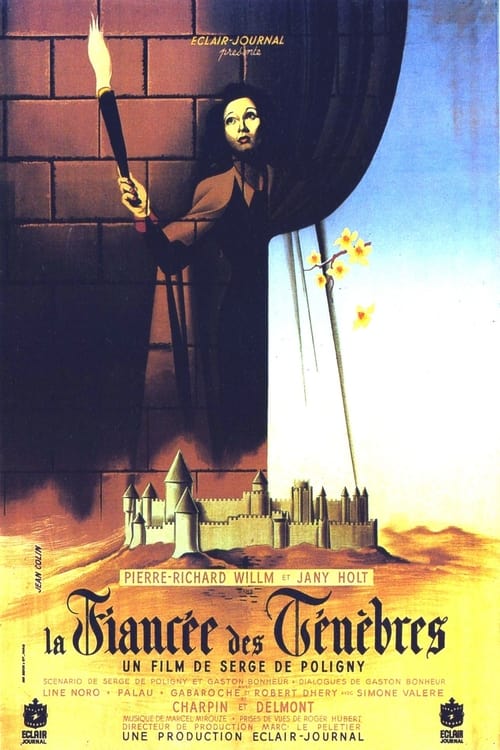
Sylvie, a young woman who believes to be cursed, lives in the town of Carcassonne with her guardian, Mr. Toulzac. He is a retired teacher who wishes to discover the secret of the Cathars, a Christian sect of the Middle Ages that glorified death over life. Sylvie meets Roland, a composer who instills new hope into her troubled mind. Mr. Toulzac then asks her then to renounce the world and go down a secret tomb he has just found.
1962
1923
2024
1961
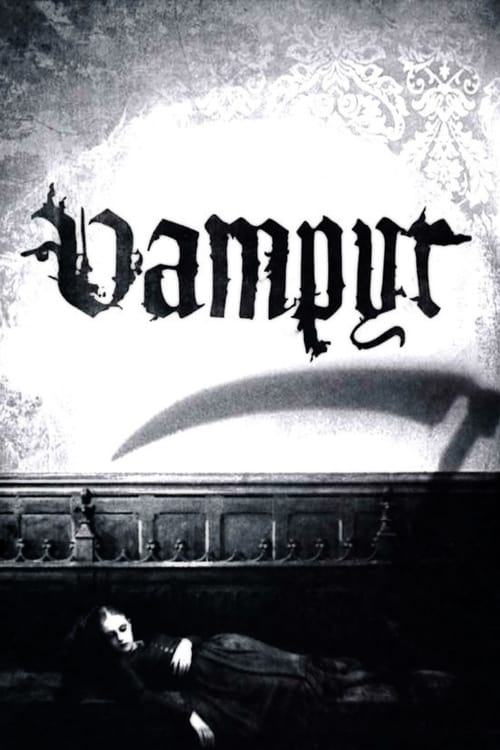
1932
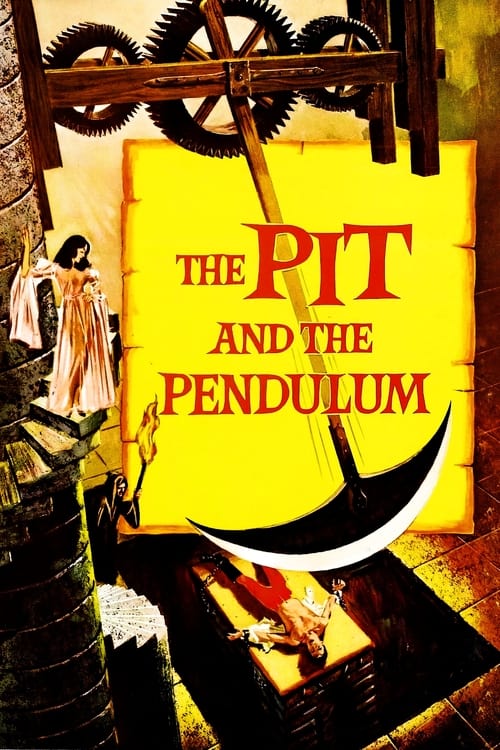
1961
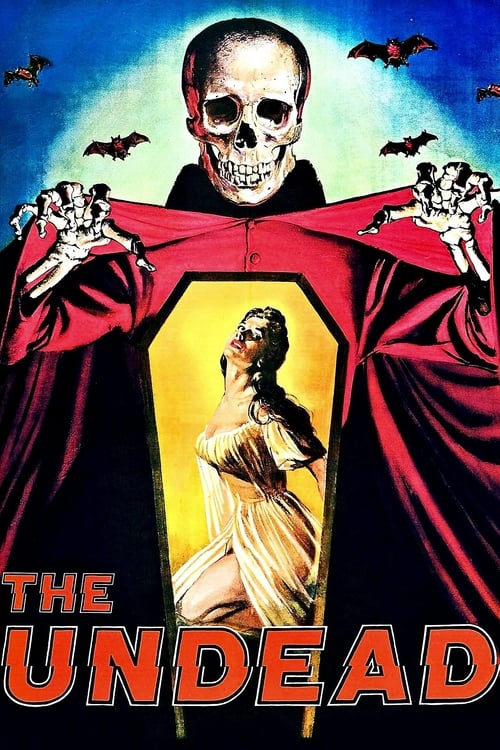
1957
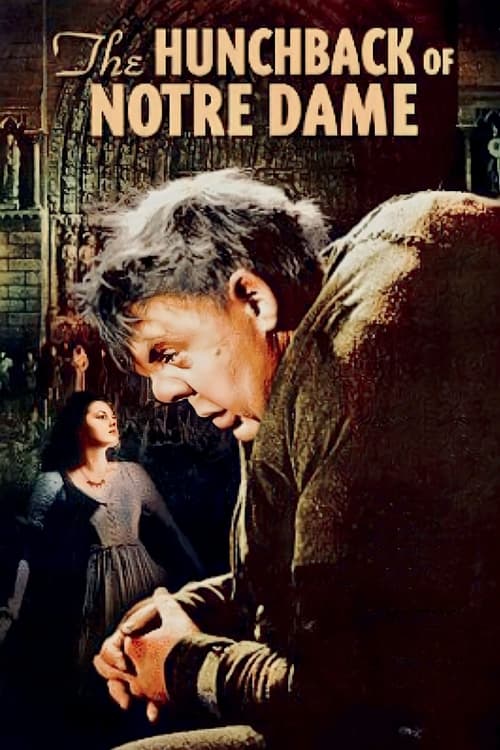
1939
No reviews yet. Be the first to share your thoughts on this movie!
Use the rating form above to leave a star rating and optional review.