
The Best of Everything
1959
No user ratings available yet
Representation score: 1.6 out of 10
Representation Score
Limited
1966
ApprovedDirector
Sidney Lumet
Runtime
152 minutes
Average Rating
No ratings yetNew Showbiz Analysis
Sidney Lumet’s film is a sophisticated character study that prioritizes female subjectivity over traditional male-driven plots. By focusing on the intellectual and sexual lives of eight women, it challenges mid-century cinematic norms regarding gender roles. However, the film is limited by the socioeconomic and racial homogeneity of its setting. The lack of racial diversity and LGBTQ+ representation reflects the historical context of an elite 1930s institution rather than a modern inclusive perspective. Ultimately, the work's strength lies in its gender-centric structure. It offers a nuanced exploration of autonomy and the complexities of female interpersonal dynamics during a transformative era.
Category Breakdown
The film follows the heterosexual norms of the 1930s. It explores sexual awakening and romantic intimacy but does not explicitly show LGBTQ+ identities.
The narrative places female intellect and influence at the center. Characters actively navigate their own moral and social landscapes.
The cast is primarily white and uniform, reflecting the elite, upper-class setting of the 1930s. It does not include significant minority perspectives.
The film highlights the moral inconsistencies of upper-class Western institutions. It examines the tension between personal desires and strict societal expectations.
There are no significant depictions of visible or invisible disabilities. Characters are defined by their social status and psychological development rather than physical experiences.
Present on Screen
Limited or Absent
Official Synopsis
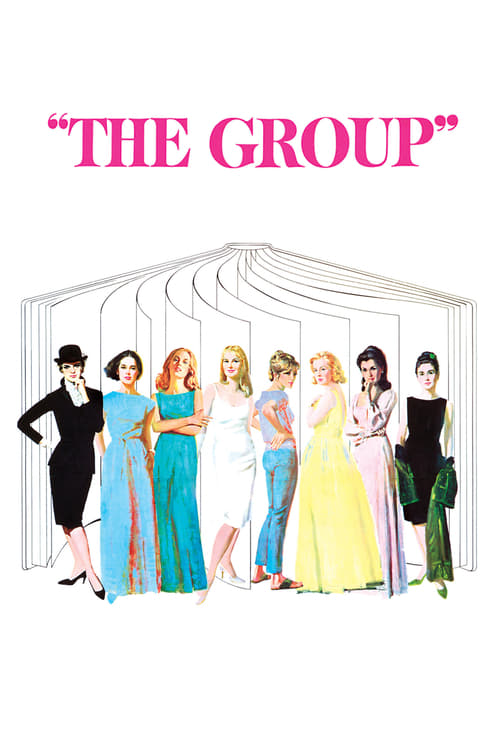
It's 1933, and eight young women are friends and members of the upper-class group at a private girl's school, about to graduate and start their own lives. The film documents the years between their graduation and the beginning of the World War in Europe, and shows, in a serialized style, their romances and marriages, their searches for careers or meaning in their lives, their highs and their lows.
1959
1937
1955
1969
1959

1939
1956

1971
No reviews yet. Be the first to share your thoughts on this movie!
Use the rating form above to leave a star rating and optional review.