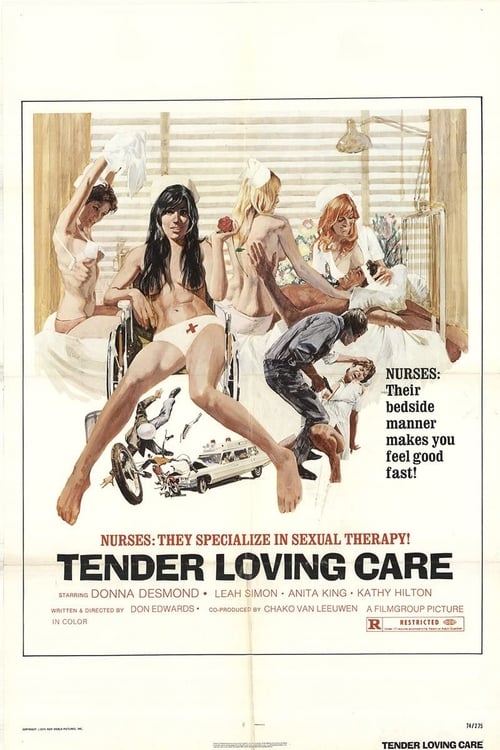
Tender Loving Care
1974
No user ratings available yet
Representation score: 3.3 out of 10
Representation Score
Fair
1956
Director
Pat Jackson
Runtime
91 minutes
Average Rating
No ratings yetNew Showbiz Analysis
The film serves as a piece of mid-century social realism that shifts the female narrative from the domestic sphere to a professional, high-stakes medical setting. It successfully deconstructs social barriers by showing how women from different backgrounds bond through shared service. However, the work remains limited by the era's social constraints. While it explores class and nationality, it lacks depth in representing multiple aspects of identity and does not include explicit representations of queer identities or non-white characters. Ultimately, the film provides a foundational look at female competence and communal strength within a public institution, even if it lacks modern identity-driven depth.
Category Breakdown
The film focuses on the interpersonal bonds between five female students. There is no explicit depiction of LGBTQ+ identities or relationships that go beyond the assumption that everyone is straight.
By centering on student nurses in a professional medical environment, the film prioritizes women's ability to drive the story over domestic clichés. The characters offer a nuanced look at various female personalities.
The cast appears largely homogeneous for 1956 British cinema. While it includes an Irish character, there is a lack of explicit non-Anglo-Saxon representation.
The setting explores post-war British identity through the secular lens of the NHS. It emphasizes professional duty and social cohesion over traditional religious or patriarchal structures.
There is no evidence regarding the depiction of physical or neurodivergent disabilities in this work.
Present on Screen
Limited or Absent
Official Synopsis
Following a group of five very different student nurses during their first year of training at an NHS hospital in London called St. Augustine’s Hospital (filmed at Guy's Hospital), where they live in a dormitory. Susan (Belinda Lee) is reliable and sensible; Pat (Delphi Lawrence) is flighty and open; Maureen (Adrienne Corri) is Irish and loud; Ann (Henryetta Edwards) is a typical public school girl; and Liz (Barbara Archer) comes from a typical working class background. As they get to know each other, they bond in spite of their differences.
1974
1937
1939

1965
1934
2014
1970

1966
No reviews yet. Be the first to share your thoughts on this movie!
Use the rating form above to leave a star rating and optional review.