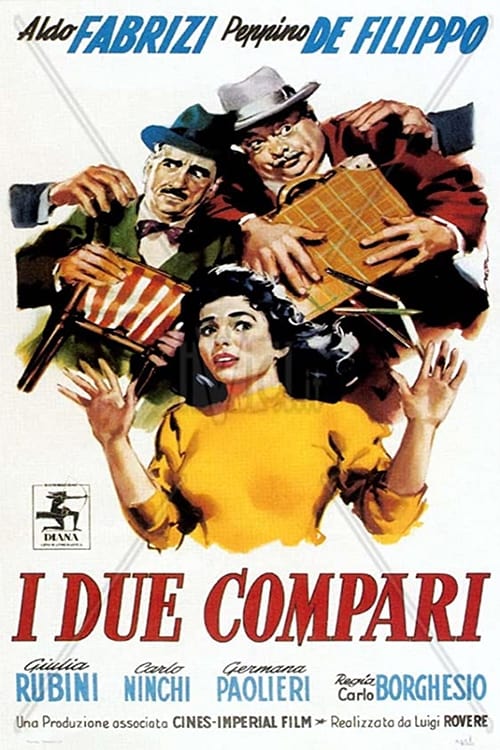
I due compari
1955
No user ratings available yet
Representation score: 1.3 out of 10
Representation Score
Minimal
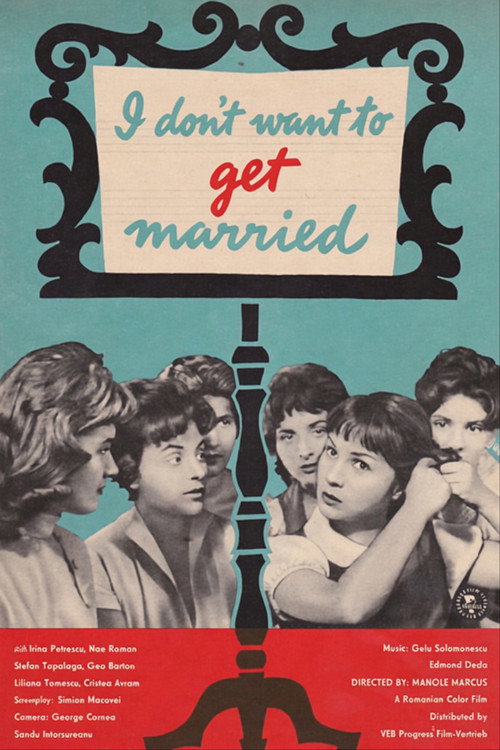
1961
Director
Manole Marcus
Runtime
83 minutes
Average Rating
No ratings yetNew Showbiz Analysis
This traditional mid-century romantic comedy emphasizes interpersonal tension while avoiding broader social disruptions. It offers a nuanced look at gendered expectations and the pursuit of personal autonomy but lacks complexity in addressing multiple aspects of identity. The narrative structure follows established genre conventions, focusing on the romantic pursuit between a supervisor and a typist within the confines of conventional social hierarchies. Ultimately, the film reflects the homogeneous, middle-class urban environment of its time without challenging broader systemic structures. The film is a period piece that highlights the pursuit of individual autonomy within the context of mid-century social norms, but it does not delve into multi-layered themes or broader societal issues.
Category Breakdown
The film focuses on traditional romantic dynamics and does not include any queer subtext or non-cisgender identities.
The film centers on a female protagonist who questions entering the domestic sphere, challenging mid-century expectations of submissive wives.
The film portrays a homogeneous, mostly white, middle-class urban environment without engaging in diverse character representation.
The story adheres to traditional Western social structures and explores interpersonal conflicts within established norms.
No visible or invisible disabilities are portrayed within the main character arcs, and no characters with disabilities are used as narrative devices.
Present on Screen
Limited or Absent
Official Synopsis
In a textile factory, the cultural supervisor falls in love with a typist. To impress her, he pretends to be friends with a famous composer whose operetta was to be performed by the company's artistic brigade. However, the typist, an uneducated woman, sees him only as a means to become the protected one of an influential person.
1955
1967
1951
1961
1952
1959
1932
1969
No reviews yet. Be the first to share your thoughts on this movie!
Use the rating form above to leave a star rating and optional review.