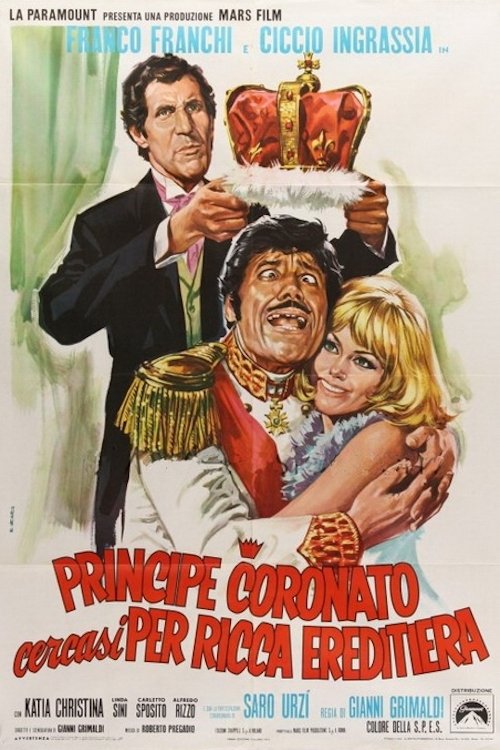
Principe coronato cercasi per ricca ereditiera
1970
No user ratings available yet
Representation score: 2.5 out of 10
Representation Score
Minimal
1981
Director
Pipolo, Castellano
Runtime
100 minutes
Average Rating
No ratings yetNew Showbiz Analysis
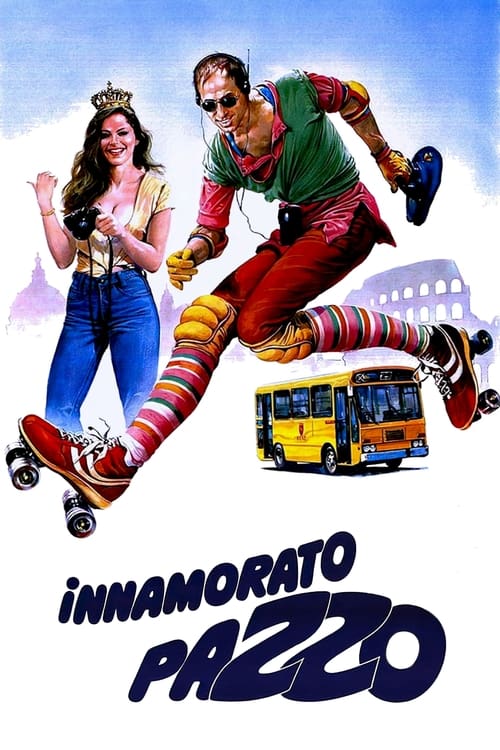
Madly in Love follows the established format of the Italian-style comedy genre, using class conflict as its primary comedic device. The plot hinges on the friction between a wealthy royal family and a working-class bus driver. While the film provides a critical view of how traditional institutions use marriage for economic gain, it does not aim to challenge societal hierarchies. Instead, it employs these conventions to support a typical romantic comedy structure. The production focuses primarily on Western European social structures, lacking multi-layered depth. It adheres to its era’s conventions, emphasizing traditional romantic clichés over progressive representation.
Category Breakdown
The film does not include any LGBTQ+ characters or non-cisgender identities. The main storyline revolves around a traditional romance between a male and female lead.
Cristina is shown as a spoiled princess whose role is limited by her position as a matrimonial pawn. The film depends on traditional gender roles and romantic stereotypes.
The setting and cast appear to be predominantly of Western European ethnicity, with no evidence of diverse ethnic or racial representation.
The story highlights class conflict between aristocracy and the working class. While it criticizes elitism, the resolution favors a traditional romantic ending over deeper social commentary.
There are no visible or invisible disabilities featured in the film. The narrative does not address disability as part of the plot.
Present on Screen
Limited or Absent
Official Synopsis
Cristina is a rich, spoiled princess visiting Rome with her royal parents. The mission of their visit is to marry her off to a super-wealthy corporate type and thereby start to turn around the losses their small kingdom is experiencing in its casino business. These less-than-noble intentions get derailed when Barnaba, a zany bus driver enters their lives and falls madly in love with the gorgeous Cristina. He is nuts enough to succeed in this romantic chase after royalty, as love seems to fuel his determination to rid Cristina of her elitism and to make her see his own irrepressible attractions.
1970

1952
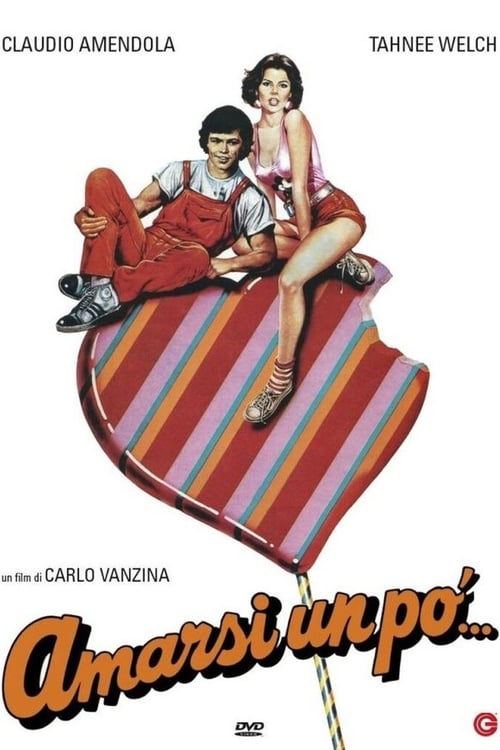
1984
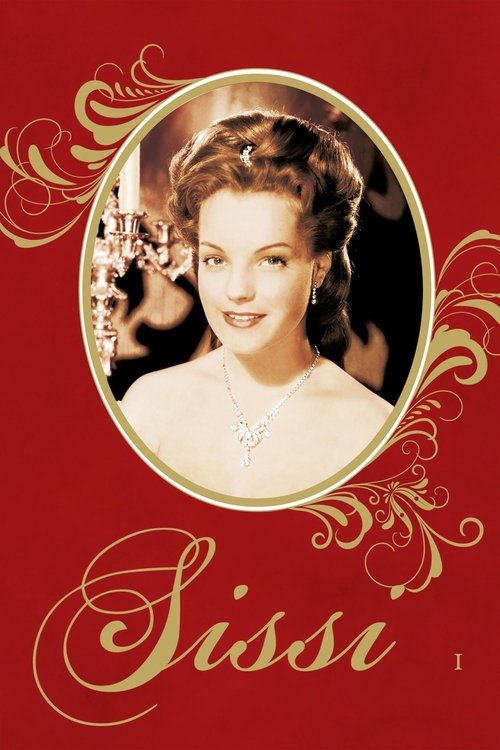
1955
1987
1967
1957
1963
No reviews yet. Be the first to share your thoughts on this movie!
Use the rating form above to leave a star rating and optional review.