
Love and Troubles
1958
No user ratings available yet
Diversity score: 3.2 out of 10

1950
Director
Mikio Naruse
Runtime
93 minutes
Average Rating
No ratings yetSynopsis
Three humorous love stories set in rural Japan.
Overall Score
Limited
Category Breakdown
LGBTQ+ Representation
The film adheres to mid-century heteronormative romantic structures. It lacks any evidence of queer narratives or non-cisnormative gender identities.
Gender Representation
Narrative focus remains on the professional dignity and social standing of the male protagonist. Women appear primarily within domestic and romantic spheres rather than driving the plot through systemic agency.
Racial & Ethnic Diversity
The cast is culturally homogeneous, reflecting the rural Japanese setting. While it lacks ethnic diversity, it maintains a high degree of cultural authenticity to its specific milieu.
Religious & Cultural Diversity
The story offers a nuanced critique of the tension between pre-war traditionalism and post-war Westernization. It explores the erosion of academic authority within a changing economic landscape.
Disability Representation
There is no evidence of characters with visible or invisible disabilities being integrated into the narrative or used as central thematic elements.
Strengths
Areas for Improvement
AI Analysis
Mikio Naruse’s 1950 film is a period-specific character study that reflects the social constraints of post-war Japan. It functions as a traditional narrative centered on patriarchal structures and academic authority. The film excels at capturing the friction of a transitioning society and the struggle to maintain middle-class stability. However, it operates within a very narrow social framework. Ultimately, the work lacks intersectional representation. It prioritizes a culturally homogeneous perspective and traditional gender roles, offering little engagement with identities outside the established norm.
1958
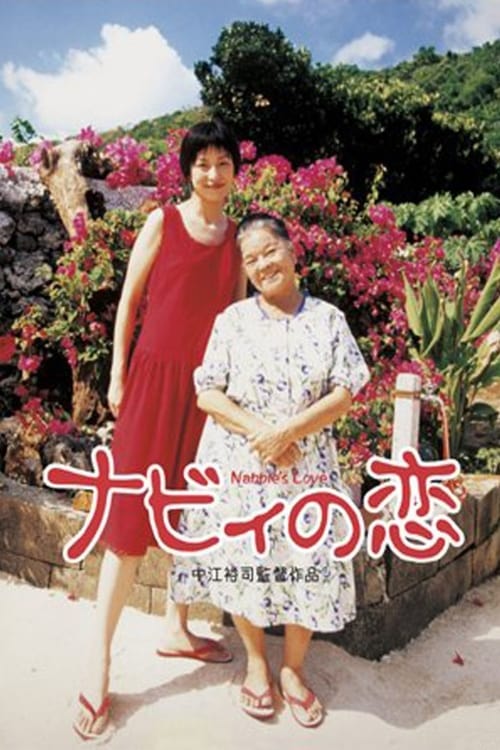
1999

1955

1980
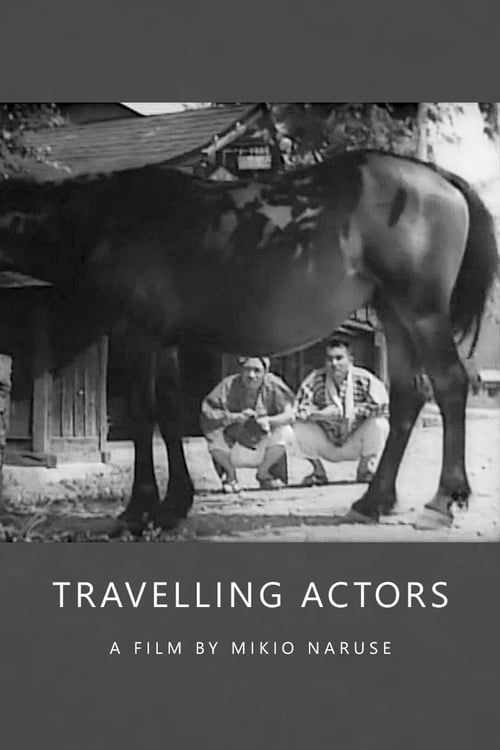
1940
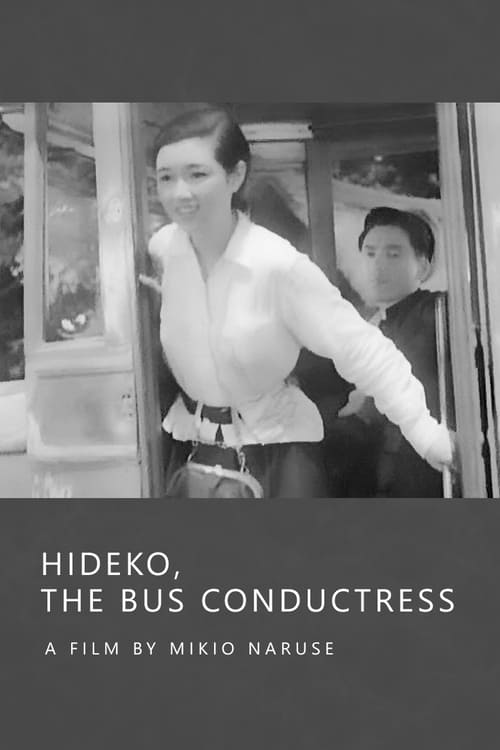
1941
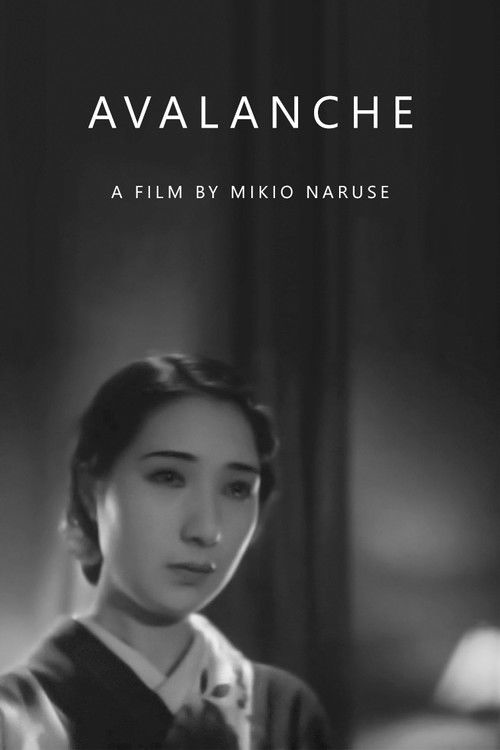
1937

1935
1944
1956
No reviews yet. Be the first to share your thoughts on this movie!
Use the rating form above to leave a star rating and optional review.