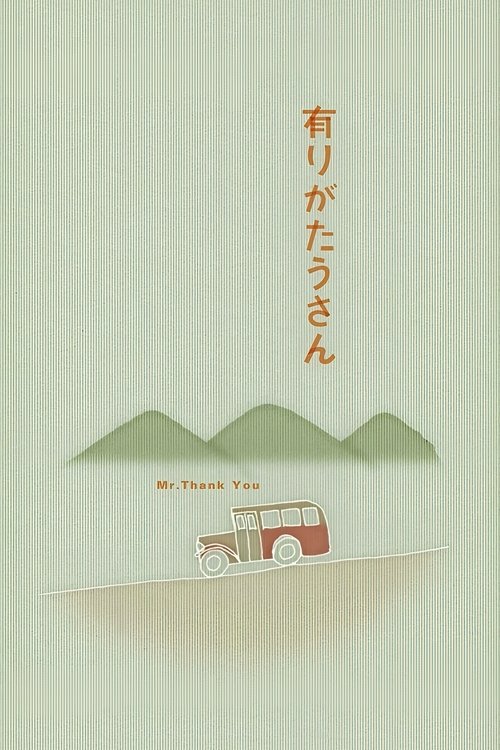
Mr. Thank You
1936
No user ratings available yet
Representation score: 2.1 out of 10

Representation Score
Fair
1941
Director
Mikio Naruse
Runtime
54 minutes
Average Rating
No ratings yetNew Showbiz Analysis
Mikio Naruse’s film is a masterpiece of cinematic realism that centers on character dignity and social observation. It excels in portraying individual competence within established social structures, especially through its strong female lead. However, the film does not intentionally challenge traditional or patriarchal norms. It operates within a naturalist framework that emphasizes community harmony rather than actively dismantling systemic power structures. Overall, the film provides a deep, authentic glimpse into a specific cultural moment and regional identity, even though it does not address contemporary ideas of diversity.
Category Breakdown
The film does not include explicit LGBTQ+ characters or explore non-straight relationships. It focuses on the social norms of 1940s Japan, emphasizing a realistic portrayal of everyday life.
The main character, Okoma, is shown to have professional skills and intelligence. She handles her workplace responsibilities with wit and efficiency, highlighting a woman's professional capabilities.
The film is set in rural Yamanashi and features a predominantly Japanese cast. It offers an authentic look into a specific regional identity and the economic conditions of the area.
The story emphasizes social unity and the value of hard work. It highlights the rhythms of community life and a humanist perspective on daily activities.
The film does not prominently feature characters with physical or cognitive disabilities. Instead, it focuses on the socioeconomic realities faced by the working class.
Present on Screen
Limited or Absent
Official Synopsis
Okoma, a witty young woman working as a conductor in an old, rickety bus in Kōfu, Yamanashi (rural Japan), has a creative idea that could avert the dwindling number of passengers when her job and the bus company itself are at stake.
1936
1960
1935
1947
1958

1937
2006
1986
No reviews yet. Be the first to share your thoughts on this movie!
Use the rating form above to leave a star rating and optional review.