My Uncle
2016
No user ratings available yet
Representation score: 7.7 out of 10
Representation Score
Fair
2016
Director
Yudai Yamaguchi
Runtime
100 minutes
Average Rating
No ratings yetNew Showbiz Analysis
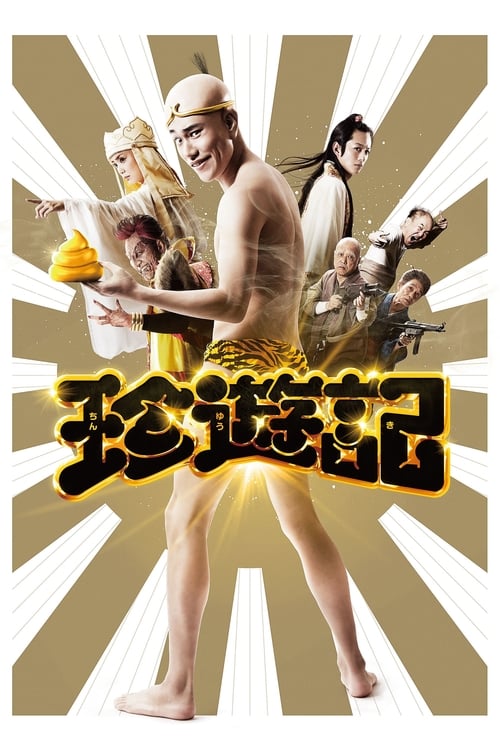
Chinyuki is a character-driven comedic adventure that relies heavily on traditional folklore and established storytelling structures. The plot centers on a monk's journey to India, which provides a canvas for cultural exploration through its setting. However, the film lacks a deliberate attempt to disrupt social hierarchies or prioritize multi-layered identities. The narrative remains anchored in conventional archetypes, particularly regarding gender and queer representation. While the setting offers potential for regional diversity, the film's focus remains on a male-centric journey of individual growth rather than systemic social critique.
Category Breakdown
The film focuses on the journey of a monk and a troubled youth. There is no explicit evidence of non-assuming gender matches what was assigned at birth identities or same-sex intimacy within this comedic framework.
Male characters, especially Genzo and Taro, play significant roles in driving the story. While an old couple provides a domestic backdrop, the narrative follows traditional male-driven comedic archetypes.
The journey toward Tianzhu suggests movement across diverse cultural landscapes. However, the film maintains a standard period-piece approach without specific details on the casting of regional inhabitants.
The story is rooted in traditional folklore and spiritual journeys. It focuses on individual character growth through the rehabilitation of magical powers rather than challenging religious hierarchies.
There is no evidence regarding the portrayal of physical or neurodivergent disabilities. No characters are identified as having visible or invisible disabilities in the narrative.
Present on Screen
Limited or Absent
Official Synopsis
Genzo is a monk on his way to Tianzhu (early East Asian name for India). Along the way, he happens to visit a house and meets an old couple. The couple has an adopted son, Taro Yamada (Kenichi Matsuyama). They ask Genzo to rehabilitate Taro who makes trouble with his magical power. Genzo takes Taro and travels to Tianzhu.
2016

2023
1998
1995
2007
2018
1993
2005
No reviews yet. Be the first to share your thoughts on this movie!
Use the rating form above to leave a star rating and optional review.