Casey at the Bat
1946
No user ratings available yet
Representation score: 0.3 out of 10

Representation Score
Minimal
1922
TV-GDirector
Lee De Forest
Runtime
6 minutes
Average Rating
No ratings yetNew Showbiz Analysis
This 1922 performance is a historical artifact reflecting the restrictive social frameworks of its time. It focuses almost exclusively on a singular male oratorical performance and lacks multi-layered complexity. The work fails to give ability to act to underrepresented groups and instead serves as a vehicle for racial stereotyping and traditionalist social dynamics through its minstrel format. Ultimately, the film reinforces existing hierarchies without challenging them, offering no representation for women, LGBTQ+ individuals, or people of color.
Category Breakdown
The performance focuses solely on a single male figure and does not include any queer narratives or non-cisgender identities.
The work centers around a single male character and adheres to early 20th-century masculine stereotypes without providing roles for women or challenging gender hierarchies.
The film is a minstrel performance that relies on racial caricatures and reinforces racial hierarchies through stereotyping.
The piece emphasizes traditional Western theatrical forms from the 1920s, operating within the oppressive social structures and racial hierarchies of that era.
There is no depiction of physical or neurodivergent disabilities in the performance.
Present on Screen
Limited or Absent
Official Synopsis
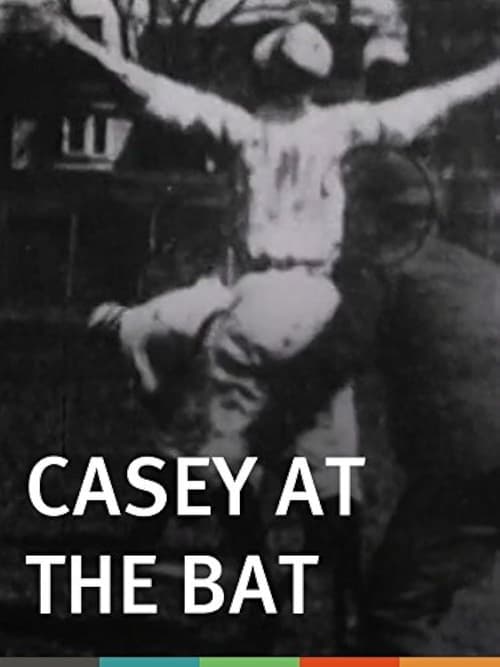
In his career, De Wolf Hopper recited Ernest Lawrence Thayer's "Casey at the Bat" thousands of times. Here, wearing a tuxedo, he emerges from behind a curtain as if at a theater, gives a short introduction, and launches into the poem. The camera is stationary, and although Hopper stands in one place, his hands and arms, his face, and his voice are animated throughout. In delivery, it's a minstrel performance.
1946
1923
1930
1905
1928
1948
1899
1906
No reviews yet. Be the first to share your thoughts on this movie!
Use the rating form above to leave a star rating and optional review.