
How to Play Baseball
1942
No user ratings available yet
Representation score: 0.5 out of 10
Representation Score
Minimal
1946
Director
Jack Kinney
Runtime
9 minutes
Average Rating
No ratings yetNew Showbiz Analysis
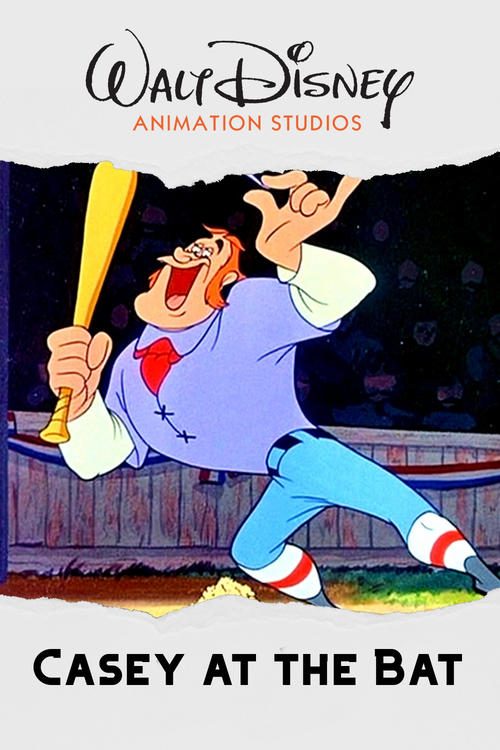
Casey at the Bat is a quintessential product of its era, reinforcing mid-century social norms through traditionalist narratives. The film relies on established archetypes that prioritize hyper-masculinity and conventional Western values of competition. Because the work is based on a 19th-century poem and produced in 1946, it lacks multi-layered complexity. The narrative structure upholds, rather than disrupts, the social hierarchies and homogeneous casting standards prevalent during its production.
Category Breakdown
The film does not include any LGBTQ+ characters or non-straight identities. It adheres to traditional sporting archetypes from 1946.
The story centers on a hyper-masculine hero defined by athletic prowess and ego. It lacks any strong female roles or subversion of traditional gender roles.
The production reflects the homogeneous casting norms of the mid-20th century. It defaults to the traditional Anglo-Saxon sporting standards of the time.
The animation celebrates classic American values of competition and individual achievement. It follows a conventional moral arc without challenging Western institutions.
There is no indication of characters with visible or invisible disabilities. The focus remains strictly on the physical capabilities required for baseball.
Present on Screen
Limited or Absent
Official Synopsis
The over-confident Casey comes to the plate for Mudville in this animated version of the classic 1888 baseball poem by Ernest Thayer
1942
1942
1947
1922
1961
1936
1949
1953
No reviews yet. Be the first to share your thoughts on this movie!
Use the rating form above to leave a star rating and optional review.