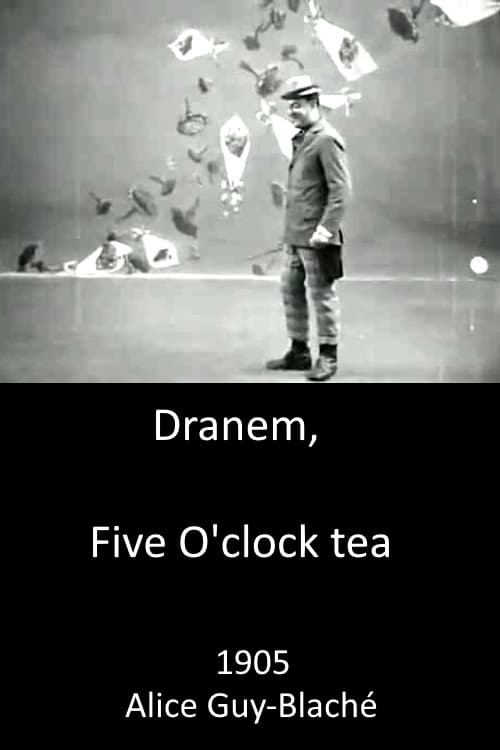
Dranem Performs "Five O'Clock Tea"
1906
No user ratings available yet
Representation score: 3.7 out of 10
Representation Score
Minimal
1905
Director
Alice Guy-Blaché
Runtime
2 minutes
Average Rating
No ratings yetNew Showbiz Analysis
This 1905 musical performance is primarily a historical artifact of early cinema rather than a vehicle for social commentary. Its diversity value is tied more to its production history than its on-screen content. The presence of Alice Guy-Blaché as a female director is a significant marker of progressive creative ability to act in a male-dominated era. However, the film lacks the narrative structure to explore multi-layered identities or systemic hierarchies. Because the work is a brief musical act, it lacks the depth required to address LGBTQ+, racial, or disability representation meaningfully.
Category Breakdown
The film focuses solely on a musical performance. There is no evidence of LGBTQ+ characters or narratives addressing non-cisgender identities.
Alice Guy-Blaché’s role as director provides historical subversion of gendered professional constraints. However, the performance itself offers little insight into gender roles.
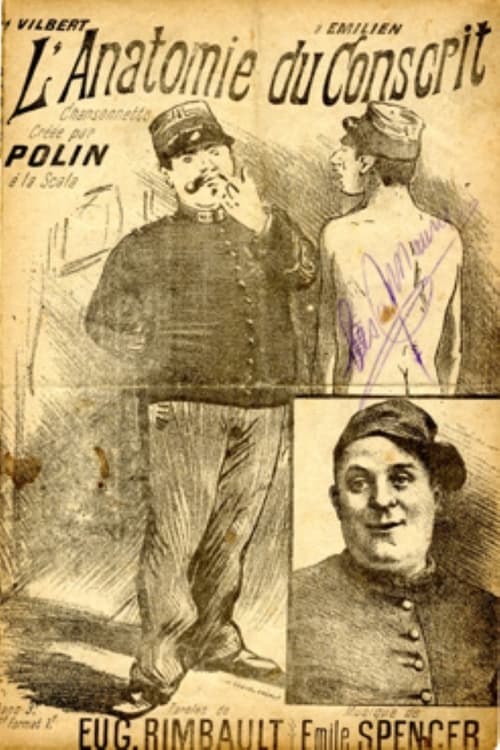
The film features the performer Polin. Without visual confirmation of ethnic background, the presence of characters who reflect more than one aspect of diversity remains unverified.
This piece functions as a historical artifact of early entertainment. It does not engage with religious deconstruction or systemic social critiques.
There is no visible evidence or narrative indication regarding the portrayal of physical or neurodivergent disabilities.
Present on Screen
Limited or Absent
Official Synopsis
Polin performs a song.
1906
1905
1905

1905
1902
1905
1907

1936
No reviews yet. Be the first to share your thoughts on this movie!
Use the rating form above to leave a star rating and optional review.